Kosher is a Hebrew word meaning ‘fit’ or ‘proper.’ When applied to food, it describes any item that complies with the Jewish dietary laws known as Kashrut a comprehensive framework governing which foods may be eaten, how they must be prepared, and how they should be served. These laws originate in the Torah (Leviticus and Deuteronomy) and have been refined through centuries of rabbinical scholarship.
Today, kosher food is not exclusively the domain of observant Jewish communities. A growing number of health-conscious consumers, individuals with food allergies, Muslims (who find overlap with halal requirements), and vegetarians seek out kosher-certified products for their perceived quality and transparency. The global kosher food market was valued at approximately USD 22.8 billion in 2025, and is projected to reach USD 29.7 billion by 2034.
For food and hospitality professionals hotel F&B managers, restaurant operators, event caterers understanding kosher food is a practical business necessity. This guide covers everything you need to know: the meaning of kosher, the rules of a kosher diet, a kosher foods list, certification symbols, and how to cater to kosher guests.
Kosher food ensures the preparation, ingredients, and processes align with these religious requirements. But what exactly does it mean for food to be kosher, and why does it matter?
We will learn and understand kosher food and its fundamental principles and relevance to people observing dietary laws.
What Does Kosher Mean?
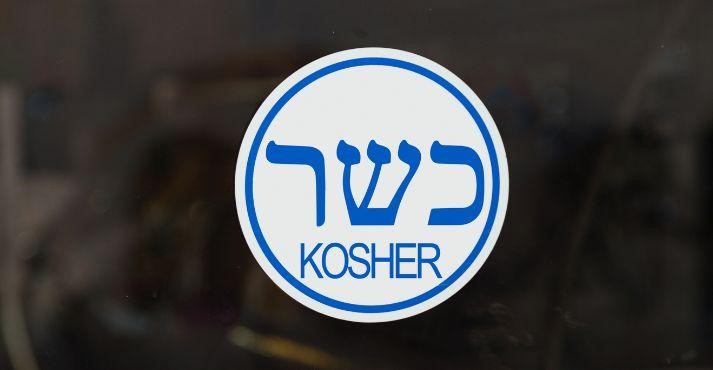
The word “kosher” comes from the Hebrew term “kasher,” which means “fit” or “proper.” When talking about food, kosher refers to items permitted to be eaten according to Jewish dietary laws or Kashrut.
These laws are derived from the Torah, the central religious text in Judaism, and have been followed by Jewish people for thousands of years. The rules of Kashrut are strict, specifying not only what types of food are allowed but also how they should be prepared and consumed.
Following kosher laws is about maintaining spiritual purity. It is not simply a set of health guidelines but a way of life that connects deeply with Jewish tradition and identity. Understanding kosher is also part of a broader picture of common dietary restrictions observed across cultures and religions worldwide.
By observing these laws, Jewish individuals maintain a close connection to their faith and community, as kosher rules are central to many Jewish rituals, holidays, and daily meals.
Principles of Kosher Food
At the heart of kosher food are several key principles that define what can be eaten, how it is processed, and how it is prepared. These principles shape the kosher dietary system, ensuring that foods are safe and religiously permissible. Let’s dive into the core principles of kosher food.
1. Treif and Kosher Animals
One of the most basic principles of kosher food is distinguishing between kosher and non-kosher animals. Kosher animals meet specific criteria, such as having split hooves and chewing their cud. Examples of kosher animals include cows, goats, and sheep.
Non-kosher animals, referred to as treif, include pigs, camels, and horses. The Torah provides clear guidelines on which animals are permitted, which forms the foundation of kosher food.
Only fish with fins and scales are considered kosher. This means that shellfish such as shrimp, lobster, and crab are forbidden under kosher law.
For birds, kosher species include chicken, turkey, and ducks, while birds of prey, such as eagles or hawks, are not allowed.
2. Shechita
For an animal to be kosher, it’s not enough that the species is permitted under Kashrut; it must also be slaughtered in a specific way. The method of slaughter is called Shechita, and it involves a swift, humane cut to the throat of the animal.
A trained professional known as a shochet performs this act. The purpose of Shechita is to minimize the animal’s suffering and ensure that the blood drains quickly and efficiently.
In kosher law, consuming blood is forbidden, which is why removing as much blood as possible from the meat is a critical part of the kosher slaughtering process.
After the animal is slaughtered, the meat is salted to draw out any remaining blood further a technique that aligns with traditional food preservation methods. This step is essential to making the meat fit for consumption under kosher food laws.
3. Milk and Meat Separation
A key principle of kosher food is the strict separation of meat and dairy products. According to the Torah, “You shall not boil a young goat in its mother’s milk,” which has been interpreted to mean that dairy and meat cannot be cooked, consumed, or served together.
This rule extends to all kitchen parts, from storing ingredients to using utensils and cookware. Many kosher households have two sets of dishes and utensils, one for meat and another for dairy, to ensure that the two do not come into contact.
Even small traces of dairy or meat contamination can render the food non-kosher. For example, if a dairy spoon is accidentally used in a meat dish, the dish may no longer be considered kosher.
The strict observance of these rules ensures that people can maintain the purity required by kosher food laws.
4. Treifnu
The concept of treifnu refers to foods that are not kosher and, therefore, forbidden. While most people think of meat and dairy when it comes to kosher laws, treifnu extends beyond these categories.
Non-kosher fish (such as shellfish), certain insects, and products containing non-kosher food additives or preservatives also fall under treif.
Kosher laws cover not just the type of food but also the preparation process, so any contact with non-kosher elements can render the food unfit for consumption.
In the modern world, the food industry produces many complex processed foods, making it difficult to know whether a product is kosher. Kosher certification ensures that packaged goods meet the requirements of Kashrut part of a wider movement toward transparency in food labeling that today’s consumers increasingly demand.
Types of Kosher Food
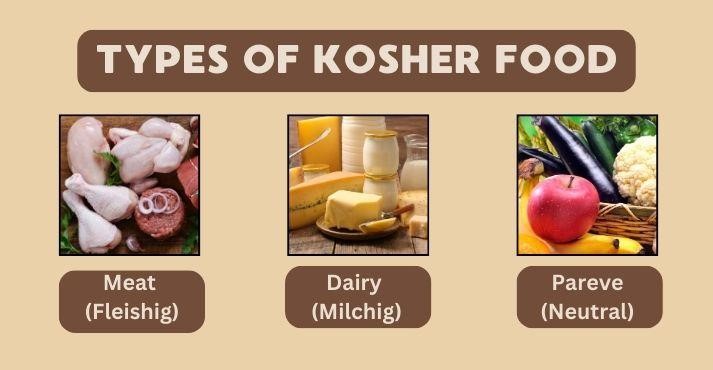
Kosher food is typically divided into three main categories: meat, dairy, and pareve (neutral). Each category follows specific rules that dictate how the food can be prepared, served, and consumed.
1. Meat (Fleishig)
Kosher meat comes from animals that are allowed under Jewish law, such as cows, sheep, and goats, and that have been slaughtered following the method of Shechita.
Once the meat is slaughtered and prepared, it must not be consumed alongside dairy products. Meat must also be inspected for health issues or imperfections that render it non-kosher.
One critical element of keeping meat kosher is salting it to remove all traces of blood. Jewish law prohibits the consumption of blood, so this step is necessary to ensure that kosher meat is safe to eat.
Kosher meat includes muscle, organs, and certain fats, provided they meet kosher requirements.
2. Dairy (Milchig)
Kosher dairy products come from kosher animals such as cows, goats, and sheep. Dairy products, like cheese and milk, must also adhere to strict guidelines to be considered kosher.
Not only must the animals producing the dairy be kosher, but the process of producing the dairy must ensure that no non-kosher ingredients, such as rennet from non-kosher animals, are used.
Just as with meat, kosher certification is important for dairy products. Many commercial dairy items undergo certification to verify that they meet all kosher standards, including the separation from meat products during production. Mixing meat and dairy is strictly forbidden in kosher food laws.
3. Pareve (Neutral)
Pareve refers to neither meat nor dairy foods that can be consumed with either. Examples include fruits, vegetables, grains, and eggs. In many ways, pareve foods share common ground with vegan food categories, though the two are governed by entirely different principles.
This food category is considered neutral, but it plays a fundamental role in Jewish meal planning. It offers flexibility when preparing meals involving meat and dairy dishes.
While pareve foods are neutral, they still need to follow kosher rules. For instance, vegetables must be carefully checked for insects, which are considered non-kosher. Similarly, some processed foods labeled as pareve must have kosher certification to meet all dietary laws.
4. Beverages and Packaged Goods
Beverages like wine, juice, and soda can also be covered by kosher laws. For example, kosher wine must be produced under strict supervision to ensure that no non-kosher elements come into contact with the product. Certain fruits and processes are also required to make the beverage kosher.
Packaged goods, like cereals, snacks, and canned foods, often need kosher certification to verify that they meet kosher standards. Kosher-certified products are among the growing range of specialty foods that cater to consumers with specific dietary, cultural, or religious requirements.
What Foods Are Kosher? (Kosher Foods List)
The table below provides a practical kosher foods list organized by food group, showing which items are permitted, which are forbidden, and which require certification.
| Food Category | Permitted (Kosher) | Forbidden (Treif) |
| Red Meat | Beef, lamb, goat, venison (split hoof + chews cud; slaughtered via Shechitah) | Pork, rabbit, horse, camel |
| Poultry | Chicken, turkey, duck, goose (must be slaughtered correctly) | Eagle, hawk, owl, ostrich |
| Fish & Seafood | Salmon, tuna, cod, tilapia, halibut, haddock (fins + scales required) | Shrimp, lobster, crab, clams, oysters, catfish, eel |
| Dairy | Milk, cheese, butter, yogurt from kosher animals (NOT mixed with meat) | Dairy from non-kosher animals; any dairy mixed with meat |
| Eggs | Eggs from kosher birds (check for blood spots) | Eggs from non-kosher birds; eggs with blood spots |
| Fruits & Vegetables | All — when inspected for insects | Any produce with insects (must be checked) |
| Grains & Bread | All grains; bread baked without non-kosher ingredients | Bread/pastry made with lard or non-kosher additives |
| Wine & Grape Products | Wine produced and handled by Jewish individuals | Wine touched by non-Jews (for observant communities) |
| Packaged Foods | Items bearing a certified hechsher (kosher symbol) | Any packaged product lacking kosher certification |
Kosher Certification — Symbols, Agencies, and What They Mean
One of the most practical aspects of kosher food especially for consumers, importers, and food-service operators is kosher certification. A certified product bears a hechsher: a symbol from a recognized rabbinical agency indicating that the item has been inspected and approved as meeting kosher standards.
The four most widely recognized kosher certification agencies globally are:
- OU (Orthodox Union): A ‘U’ inside a circle. The world’s largest kosher certifier, based in New York. Its variants include OU-D (Dairy), OU-P (Passover), and OU-Meat.
- OK Kosher: A ‘K’ inside a circle, based in Brooklyn. OK-D (Dairy), OK-P (Passover), OK Pareve.
- KOF-K: Based in New Jersey; recognized for high standards in ingredients and pharmaceutical kosher certification.
- Star-K: A ‘K’ inside a star; recognized for complex industrial food certification.
For food-service and hospitality operators: always verify a product’s hechsher directly on the packaging, and when in doubt, consult the certifying agency’s online database. A product claiming to be ‘kosher’ without a recognized symbol may not meet formal Kashrut requirements.
Popular Kosher Dishes and Ingredients
Jewish cuisine offers a wide array of traditional kosher dishes that people worldwide enjoy. These dishes not only meet the dietary requirements of kosher food but also have significant cultural and historical importance.
Traditional Kosher Dishes
- Matzo Ball Soup: A soup made with dumplings formed from matzo meal, unleavened bread, served during Passover and other Jewish holidays. It’s a comfort food that holds special meaning in Jewish families.
- Gefilte Fish: A dish made from ground fish, typically served cold as an appetizer during holidays. It’s a classic part of Jewish holiday meals, especially for Passover.
- Challah: This braided bread is typically eaten on the Sabbath and during Jewish holidays. It’s made without dairy so it can be consumed with any meal, making it versatile in kosher meals.
Kosher Ingredients
Some common ingredients used in kosher food preparation include:
- Kosher Salt: A coarse salt that is used not only in cooking but also in the process of koshering meat.
- Matzo Meal: many traditional Jewish dishes use ground matzo during Passover.
- Specific Spices: Spices that have kosher certification to ensure they are free from non-kosher additives.
These ingredients play a key role in Jewish cooking, ensuring that meals remain delicious and compliant with kosher rules.
Kosher vs. Halal — Key Similarities and Differences
While kosher and halal dietary laws are rooted in religious traditions, they have distinct rules and guidelines. Kosher food is governed by Jewish law, while halal food follows Islamic guidelines.
One of the primary differences is the handling of meat. Both require a specific slaughter process, but halal meat must be blessed in the name of Allah before slaughter.
Additionally, halal permits the consumption of certain foods forbidden under kosher law, such as shrimp.
Conversely, kosher laws require stricter supervision of food preparation, including the separation of meat and dairy.
Similarities:
- Both prohibit pork.
- Both require specific animal slaughter methods (Shechitah for kosher; Zabiha for halal).
- Both prohibit blood consumption.
- Both require the animal to be of a permitted species.
Key Difference:
- Kosher separates meat and dairy entirely; halal has no such rule.
- Kosher requires wine to be handled by Jewish individuals; halal prohibits all alcohol.
- Kosher certifies specific production equipment and facilities; halal certification processes differ by country.
- Fish: all fish with fins and scales are kosher; halal fish rules vary by Islamic school of thought.
- A halal product is NOT automatically kosher, and a kosher product is NOT automatically halal.
For hotels and restaurants serving both Jewish and Muslim guests, offering certified kosher and halal options separately or seeking products that carry both certifications is the safest approach. Understanding the religious dietary preferences across APAC can help F&B operators make more informed menu and sourcing decisions.
Common Kosher Food Practices
Passover Dietary Restrictions
Take a trip through the dietary rules of Passover, an important Jewish festival. Learn about the unique practices followed during this time.
Passover Dietary Restrictions: Passover, a sacred Jewish festival, brings with it specific dietary guidelines. During this time, leavened products (chametz) are strictly avoided, symbolizing the removal of pride and arrogance. Instead, unleavened matzah takes center stage as a staple in Passover meals.
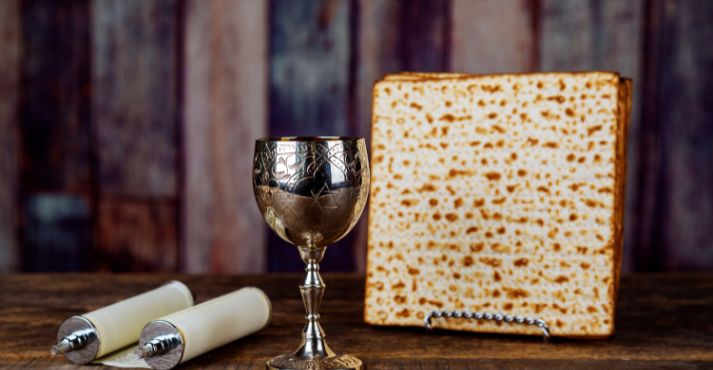
Matzah Significance: Unleavened matzah, a type of flatbread, holds deep symbolism during Passover. Its humble and unadorned nature aligns with the essence of the festival, fostering a sense of humility and connection to the historical narrative of the Jewish people.
Celebrating with Unleavened Foods: Passover dietary practices celebrate the essence of unleavened foods, particularly matzah passover tradition, which becomes a central element in various dishes during this festival. Understanding and respecting these dietary restrictions contribute to the meaningful observance of Passover.
Kosher Food for F&B Professionals and Hospitality Teams
For hotel restaurants, airline caterers, and event venues, serving kosher meals correctly requires more than sourcing certified ingredients. Professionals working in food and beverage service should be well-versed in kosher requirements before catering to observant guests. Here is a practical checklist for food-service professionals:
1. Source certified kosher products. Use suppliers with recognized hechsher symbols (OU, OK, Star-K, or KOF-K). Verify certification is current.
2. Maintain strict separation. Kosher meat and dairy must never share preparation surfaces, utensils, or cooking equipment. In practice, this means dedicated sets of cookware and serving ware.
3. Engage a Mashgiach when required. For high-level kosher catering (e.g., corporate events, synagogue events), a kosher supervisor (Mashgiach) may need to be present during food preparation.
4. Be aware of Passover requirements. During Passover (typically April), leavened grain products (Chametz) are prohibited. Guests requiring Passover-kosher meals need specifically certified products.
5. Train your team. Front-of-house and kitchen staff should understand why kosher trays, cutlery, and packaging must not be handled with bare hands or mixed with non-kosher items. Effective hotel food and beverage management includes building staff awareness around diverse dietary requirements.
6. Communicate clearly. Clearly label kosher meal options on menus and during service. Applying principles of menu psychology such as clear category labelling and dietary icons can help guests quickly identify suitable options. Never present a ‘kosher-style’ meal as certified kosher this misrepresentation can cause serious offence.
Frequently Asked Questions
What is the difference between kosher food and regular food?
The key difference is not the type of food itself but the rules governing its sourcing, preparation, and serving. Kosher food must come from permitted species, be slaughtered or processed in a specific way, be free of blood, and never combine meat and dairy products. Regular (non-kosher) food has no such restrictions. Many everyday foods fresh fruits, vegetables, and many packaged goods are naturally kosher.
Is kosher food healthier than non-kosher food?
Kosher food is not inherently healthier in a nutritional sense. However, kosher laws do prohibit certain practices (e.g., no blood in meat, strict slaughter hygiene, no mixing of certain food groups) that many consumers associate with higher food quality and safety standards. Non-Jewish consumers often choose kosher products for their strict ingredient and processing oversight a dynamic also explored in the broader context of why Asian consumers want healthy food.
Can non-Jewish people eat kosher food?
Absolutely. Kosher food is produced for observant Jewish consumers but is widely available in supermarkets globally and purchased by millions of non-Jewish consumers. Reasons include dietary restrictions (e.g., lactose intolerance kosher meat products are dairy-free), allergy concerns, and perceived quality. The gluten-free vs halal diet comparison offers useful context for understanding how different dietary frameworks appeal to overlapping consumer groups.
Is vegetarian food automatically kosher?
No. While vegetarian food avoids meat, it can still be rendered non-kosher if it is processed on non-kosher equipment, contains non-kosher additives (e.g., certain gelatin), or includes grape products not produced under kosher supervision. Always look for a certified hechsher symbol.
What is the meaning of ‘kosher meal’ in a hospitality context?
In hotels, airlines, and event catering, a ‘kosher meal’ refers to a pre-prepared meal that has been certified as kosher by a recognized rabbinical authority, often sealed to ensure no contamination during transport. These meals are typically ordered in advance and may arrive in sealed, labelled packaging that must not be opened or reheated using non-kosher equipment.
Conclusion
In conclusion, kosher food is more than just a set of dietary rules; it’s a way of life for those who observe it. From the distinction between kosher and non-kosher animals to the thorough preparation processes, the laws of Kashrut guide every aspect of what is considered kosher.
Kosher certification ensures that processed foods meet these standards, allowing people to consume items that align with their faith confidently.
Whether it’s the careful separation of meat and dairy or the humane slaughtering practices of Shechita, kosher laws reflect both religious devotion and ethical food practices.
By understanding what is kosher food, we gain insight into a cultural and religious system that has sustained Jewish communities for ages.