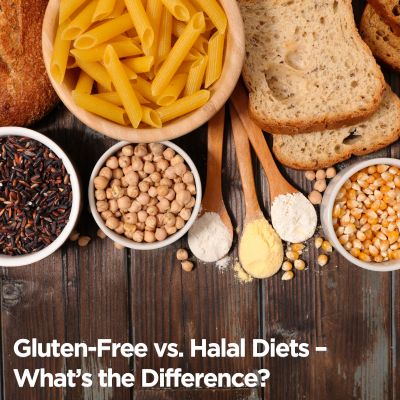
Many people assume gluten-free and halal diets are connected because both terms commonly appear on menus, food packaging, and restaurant signage. For most diners, the objective is straightforward. They want to choose food that is safe, suitable, and clearly labelled for their needs. When multiple dietary claims are presented together, it can easily lead to confusion about whether they follow the same rules.
The difference between gluten-free and halal diets is based on their purpose. A gluten-free diet exists for health and medical reasons, while a halal food diet is guided by religious requirements. Although some foods may meet both standards, they are not defined by the same principles and should not be assumed to overlap.
By the end of this article, readers will understand what each diet means, how they differ, where confusion often arises, and how to make informed food choices with confidence. The focus throughout is on eating safely and responsibly, rather than comparing or debating belief systems.
What Is a Gluten-Free Diet?
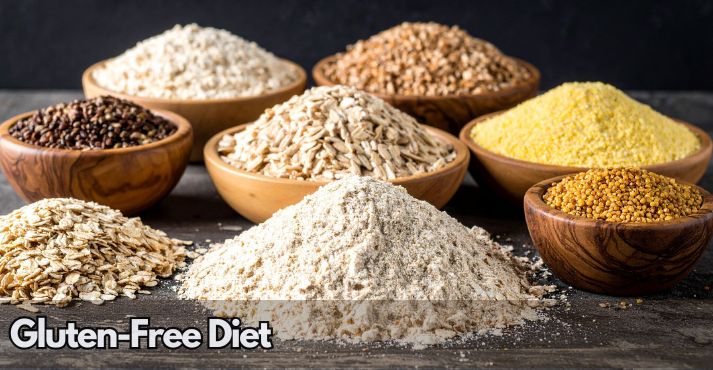
A gluten-free diet avoids gluten, a group of proteins found in certain grains. In simple terms, gluten-free refers to food that does not contain gluten or ingredients made from gluten-containing grains. Gluten is most commonly present in wheat, barley, and rye, as well as products derived from them.
Gluten is often easy to identify in foods like bread, pasta, and baked goods, but it can also appear in less obvious places. Many processed foods, sauces, soups, marinades, and seasonings use gluten-based thickeners or additives, making label checking essential.
This diet is medically necessary for people with celiac disease and for those with diagnosed gluten intolerance or sensitivity.
Studies estimate that celiac disease affects between 0.7% and 2.9% of people worldwide, which explains why strict avoidance is critical for a significant number of individuals. Others may choose a gluten-free diet as a lifestyle preference, although the level of strictness differs.
Cross-contamination is a major concern. Gluten-free food can become unsafe if it is prepared, cooked, or stored using shared equipment, surfaces, or oil that has been in contact with gluten-containing foods.
What Is a Halal Diet?
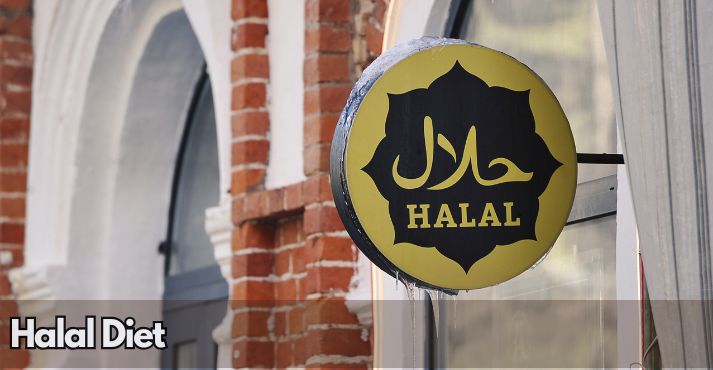
A halal diet is a food system based on halal dietary rules, which come from Islamic teachings and outline what is permitted for consumption. Halal focuses not only on the type of food being eaten but also on how it is sourced, handled, and prepared throughout the supply chain.
Certain ingredients are clearly prohibited. Pork and pork-derived products are not allowed, and alcohol is excluded both as a beverage and as an ingredient in cooking or processing.
Meat must come from animals that are slaughtered according to specific religious requirements, which is why halal-certified meat is an important consideration for those who follow this diet.
Beyond visible ingredients, halal compliance also extends to additives, flavorings, and processing aids. Items such as alcohol-based extracts, animal-derived emulsifiers, or flavor enhancers can affect whether a product is considered halal.
As a result, verification involves examining ingredient lists, preparation methods, and certification rather than judging the food by appearance alone.
Gluten-Free vs. Halal: Core Differences Explained
Understanding halal vs. gluten-free foods is easier when the two diets are compared directly. Although they may appear together on menus or food packaging, they serve different objectives and are governed by separate standards. Each diet addresses a specific set of needs and follows its own rules.
A gluten-free diet is structured around health needs and focuses on avoiding exposure to gluten. A halal diet follows religious guidance and focuses on whether ingredients and preparation methods are permissible.
Because these goals are not connected, compliance with one does not ensure compliance with the other.
| Aspect | Gluten-Free Diet | Halal Diet |
|---|---|---|
| Diet type | Medical and health-based | Religious-based |
| Main restrictions | Gluten from wheat, barley, and rye | Pork, alcohol, and non-compliant meat |
| Certification or labeling | Allergen or gluten-free labeling standards | Halal certification by approved bodies |
| Common risks | Cross-contamination during preparation | Presence of non-halal ingredients or additives |
| Who should follow it | People with medical needs or sensitivity | People observing religious dietary practices |
This side-by-side view helps readers assess food choices more accurately and avoid incorrect assumptions.
Is Halal Food Always Gluten-Free?
No. The question is whether gluten-free halal is common, but the answer depends on ingredients and preparation rather than the label alone.
Halal foods can still contain gluten because halal standards do not restrict grains such as wheat, barley, or rye. Items such as breaded meats, soy-based sauces, marinades thickened with flour, and many processed foods may meet halal requirements while still containing gluten.
The issue is not the taste of halal meat, which is determined by sourcing and preparation, but the additional components used alongside it.
Packaged foods and ready-made meals are especially important to check, as gluten can appear in coatings, seasonings, or binders.
To avoid confusion, gluten-free status must be verified separately through ingredient lists or clear labeling rather than assumed based on halal compliance alone.
Can Gluten-Free Food Be Non-Halal?
Yes. Gluten-free food does not automatically meet halal requirements. A product can avoid gluten and still include ingredients or preparation methods that are not permitted under halal guidelines.
Gluten-free beers are a clear example. Even though the gluten has been removed during processing, the presence of alcohol makes them not halal, as explained in discussions around alcohol in food and beverages.
Gluten-free beers are a clear example. Even though the gluten has been removed during processing, the presence of alcohol makes them not halal.
Meat sources also matter. Gluten-free meals may use non-halal-certified meat or be prepared on shared equipment with non-halal products.
In addition, some gluten-free packaged foods contain animal-derived additives such as gelatin, emulsifiers, or enzymes sourced from non-halal animals.
In restaurants, gluten-free menu items may still be cooked with non-halal ingredients or prepared alongside them. This is why gluten-free labeling alone is not enough for diners who must also follow halal requirements.
When Food Can Be Both Halal and Gluten-Free
There are situations where food naturally meets both halal and gluten-free requirements without added complexity. This usually happens when meals are built around whole foods and simple preparation methods rather than processed ingredients.
Plain rice, fresh vegetables, and fruits are common examples. These foods do not contain gluten and are generally acceptable within halal guidelines when handled and prepared properly.
Naturally gluten-free grains such as corn, millet, and quinoa can also fit both diets when no restricted ingredients are introduced during cooking.
Halal-certified meat can also meet gluten-free needs when it is prepared without breading, sauces, or seasonings that contain gluten. Simple grilling, roasting, or steaming helps reduce unnecessary risks.
Even in these cases, verification remains important. Ingredients, seasonings, and kitchen practices should always be confirmed rather than assumed, especially when food is prepared outside the home.
Eating Out Safely With Gluten-Free or Halal Requirements
Eating out can be challenging when specific dietary needs are involved, especially as restaurants often focus on meeting one requirement rather than multiple ones.
In a growing halal food market, many establishments concentrate on halal sourcing but may not manage gluten-related risks.
The global halal food sector is forecast to grow at a compound annual growth rate of about 9.3% from 2025 to 2033, reaching an estimated USD 5.96 trillion by 2033, which increases the importance of clear handling and communication around dietary needs. Others may offer gluten-free options without following halal practices.
Menu labels alone are not always enough. A dish marked gluten-free may still use non-halal ingredients, while a halal-labelled dish may be prepared with sauces or coatings that contain gluten.
How food is handled in the kitchen also affects suitability, including the use of shared surfaces, utensils, cooking oil, and storage areas.
The safest approach is to ask clear, practical questions. Diners should check which ingredients are used, how dishes are prepared, and whether separate equipment or preparation areas are available.
It is also important to recognise the difference between formal certification and general claims, as certifications are verified while menu descriptions may not reflect full compliance.
Common Misunderstandings About Gluten-Free and Halal Diets
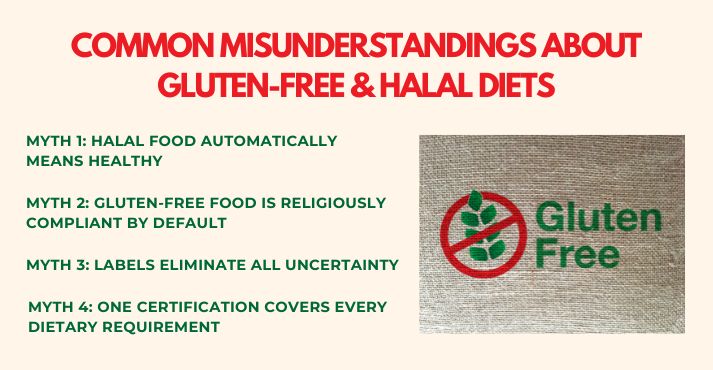
As awareness improves, many long-standing assumptions are actively clarified in professional forums such as a halal food trade show, where education focuses on accuracy rather than marketing claims.
Below are some common myths that continue to surface, along with clear explanations:
Myth 1: Halal food automatically means healthy: Halal standards address permissibility, not nutritional balance. A halal product can still be high in sugar, salt, or fat. Health value depends on ingredients and formulation, not halal status alone.
Myth 2: Gluten-free food is religiously compliant by default: Gluten-free labeling only confirms the absence of gluten-containing grains. It does not indicate how ingredients are sourced or whether religious requirements are met during production.
Myth 3: Labels eliminate all uncertainty: Labels are useful but limited. They may not reflect preparation conditions, shared equipment, or secondary ingredients used earlier in the supply chain.
Myth 4: One certification covers every dietary requirement: Certifications are issued for specific standards. A product approved under one system must still be assessed separately for any additional dietary needs.
Understanding these distinctions helps reduce reliance on assumptions and supports better food decisions.
Which Diet Applies to You?
Choosing between a gluten-free or halal diet depends on individual needs rather than trends or food preferences. The first step is understanding why a specific diet is required.
For some individuals, a medical diagnosis may require avoiding certain foods. Conditions such as celiac disease or gluten sensitivity require strict dietary control to protect health and well-being. In these cases, food choices are guided by medical advice rather than convenience.
For others, food choices follow religious practice. A halal diet is observed to meet faith-based requirements and maintain consistency in everyday meals, whether at home or when dining outside.
There are also situations where dietary decisions relate to family, social, or event-based needs. Hosting guests, attending gatherings, or catering for diverse groups may require accommodating different requirements.
Understanding the reason behind each diet helps ensure respectful and appropriate food choices for everyone.
Final Summary: Gluten-Free vs. Halal at a Glance
- Gluten-free diets are designed to manage health and medical needs related to gluten, while halal diets follow religious guidelines on what is permissible to eat.
- Each diet is governed by its own standards, rules, and verification methods, and none replaces the others.
- Foods may meet both requirements in certain cases, but this overlap depends on ingredients and preparation rather than assumptions.
- Labels and certifications address specific criteria and should be reviewed based on the diet being followed.
- Personal needs, whether medical, religious, or situational, determine which dietary requirements apply.
With clear information and careful checking, making informed food choices becomes simpler, safer, and more confident.
Frequently Asked Questions
Is all halal food gluten-free?
No. Halal standards do not restrict gluten-containing grains. Foods can meet halal requirements while still including ingredients made from wheat or other gluten sources.
Can gluten-free food contain alcohol?
Yes. Gluten-free status only relates to the absence of gluten and does not exclude alcohol. Some products use alcohol during processing or as part of flavour development.
How do I check if food meets both diets?
Review ingredient lists carefully and confirm how the food is prepared. When eating out or buying packaged foods, direct confirmation from the provider is often the most reliable approach.
Are certifications required for both?
Certification is not always mandatory, but provides added assurance. Each diet has its own certification systems, and approval under one does not automatically apply to the other.