Vegan food has moved from a niche dietary preference to an increasingly recognized segment of the global food and beverage industry.
In Singapore, the plant-based food and beverage market was valued at around $130 million in 2024 and is projected to expand further over the coming decade, supported by consumer interest in health, sustainability, and diversified protein options.
Veganism excludes all animal-derived products, including meat, dairy, eggs, and honey. Interest in vegan food is linked to environmental considerations such as reduced resource use and emissions, ethical concerns related to animal welfare, and increased focus on nutrition and wellbeing.
This article examines vegan food and its relevance to the food and hospitality industry, covering the types of vegan diets, commonly consumed vegan foods, and the development of alternative proteins such as plant-based meats, dairy alternatives, and plant-based seafood.
What is Vegan Food?
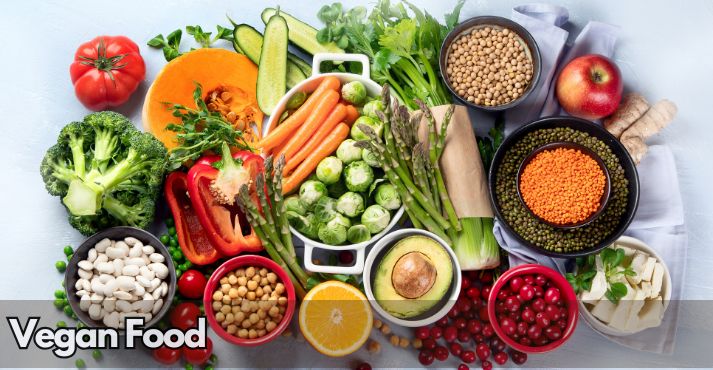
Vegan food refers to products made entirely from plant-based ingredients, with no animal products or animal-derived components. This means vegan food excludes meat, poultry, fish, dairy, eggs, honey, and other animal-derived products.
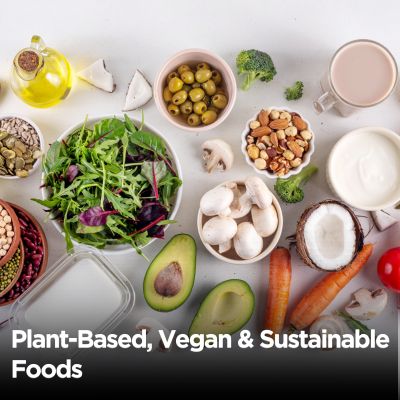
Vegan foods are typically composed of fruits, vegetables, grains, legumes, nuts, and seeds. These ingredients provide essential nutrients, including plant-based proteins, dietary fibre, vitamins, and minerals, and can be combined to support balanced meal planning across retail, foodservice, and hospitality settings.
In Singapore, vegan food options are increasingly available across supermarkets, restaurants, and foodservice outlets, supporting wider adoption across both consumer and commercial dining environments.
Why Veganism is Gaining Popularity
The adoption of veganism has increased globally due to ethical, environmental, and health-related considerations.
Ethical concerns centre on animal welfare and the conditions associated with intensive animal farming, while environmental factors include the impact of livestock production on greenhouse gas emissions, land use, and water consumption.
Consumer research also points to sustained interest in plant-based food choices. A 2025 global consumer survey found that 72% of Millennials, particularly those with children at home, express a strong interest in plant-based foods, highlighting the relevance of vegan and plant-based offerings for food manufacturers, retailers, and hospitality operators.
From a health perspective, vegan diets are commonly associated with dietary patterns that emphasise plant-based foods and lower saturated fat intake.
In Singapore, these factors have encouraged food businesses to expand vegan options across menus, product lines, and foodservice formats.
Types of Vegan Diets
While veganism follows a consistent principle of excluding animal products, several dietary approaches exist:
- Whole-Food Vegan Diet: Focuses on minimally processed plant foods, including vegetables, fruits, whole grains, legumes, nuts, and seeds. This approach prioritises nutrient density and fibre intake.
- Raw Vegan Diet: Emphasises uncooked or minimally heated plant foods, based on the belief that raw ingredients retain more nutrients.
- High-Carb Vegan Diet: Centres on carbohydrates from fruits, grains, and vegetables, providing sustained energy through complex carbohydrates.
- 80/10/10 Diet: A low-fat, raw vegan approach where most calories come from carbohydrates, with limited protein and fat intake.
- Gluten-Free Vegan Diet: Excludes both animal products and gluten, relying on grains such as rice and quinoa, alongside legumes and vegetables.
Top Vegan Foods You Can Eat
- Fruits and Vegetables: Provide vitamins, minerals, antioxidants, and fibre essential for daily nutrition.
- Whole Grains: Sources of complex carbohydrates and fibre that support energy needs and digestion.
- Legumes: Beans, lentils, and chickpeas supply plant-based protein, iron, and B vitamins.
- Nuts and Seeds: Contribute healthy fats, protein, and micronutrients.
- Dairy Alternatives: Plant-based milks, yoghurts, and cheeses provide alternatives to traditional dairy products.
- Meat Alternatives: Products such as tofu, tempeh, and seitan provide protein and functional versatility in foodservice applications.
Vegan vs. Vegetarian
Veganism and vegetarianism differ primarily in their treatment of animal-derived products. Vegans avoid all animal products and ingredients, including meat, fish, dairy, eggs, and honey. Vegetarian diets exclude meat and fish but may include dairy products, eggs, and honey.
This distinction affects how vegan and vegetarian products are formulated, labelled, and communicated across retail and foodservice channels.
What are Alternative Proteins?
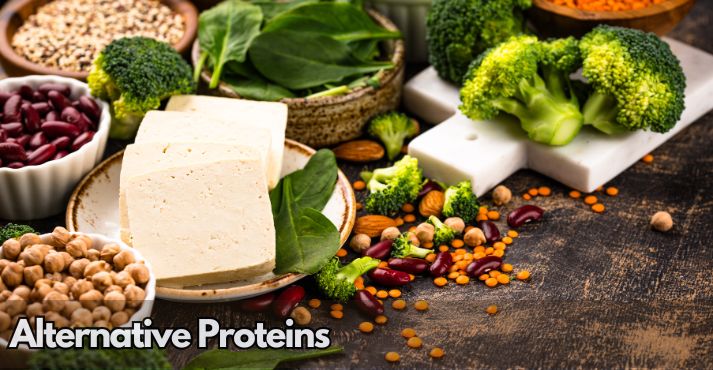
Alternative proteins refer to protein sources developed as substitutes for conventional animal-based meat, poultry, and seafood. These proteins are produced using non-animal inputs or production methods that reduce reliance on traditional livestock farming.
Alternative proteins include plant-based proteins, cultivated (or cultured) meat, fermentation-derived proteins, and insect-based proteins.
These approaches address sustainability challenges associated with animal agriculture, including resource use, greenhouse gas emissions, and animal welfare, while supporting efforts to meet global protein demand.
Food innovation companies are active in advancing alternative protein development. Brands such as Impossible Foods and Shiok Meats demonstrate how alternative protein technologies are being applied to create products suitable for retail and foodservice environments.
Types of Alternative Proteins
- Plant-Based Proteins: Derived from legumes, grains, and other plant sources, plant-based proteins offer a lower-impact alternative to animal protein and are widely used in meat analogues.
- Cultured Meat: Produced by cultivating animal cells without raising or slaughtering animals, cultured meat aims to reduce environmental impact while retaining the sensory properties of conventional meat.
- Fermentation-Derived Proteins: Using microorganisms such as fungi or yeast, fermentation processes produce functional proteins with reduced land and water requirements.
- Insect Protein: Insect-based protein is highly resource-efficient and nutrient-dense, with established consumption in parts of Southeast Asia.
Plant-Based Meats: The Future of Protein
Plant-based meat refers to food products designed to replicate the taste, texture, and appearance of conventional meat using plant-derived ingredients. These products are developed to function similarly to meat in cooking and foodservice applications.
Common plant-based meat formats include burgers, sausages, minced products, and deli-style slices. Advances in food science have improved flavour, texture, and versatility, supporting wider adoption across quick-service restaurants, casual dining, and retail.
What is Plant-Based Seafood?
Plant-based seafood is developed to replicate the taste, texture, and appearance of fish and shellfish using plant-based ingredients. These products aim to provide familiar culinary experiences without relying on marine animal sources.
Common ingredients include algae, seaweed, plant proteins, and oils that help reproduce seafood flavour profiles and mouthfeel.
Plant-based seafood supports sustainability goals by reducing pressure on marine ecosystems and addressing issues such as overfishing and bycatch.
Health Benefits of Vegan Food and Alternative Proteins
Vegan food and alternative proteins are commonly associated with dietary patterns that emphasise plant-based ingredients and reduced saturated fat intake.
These foods are typically cholesterol-free and may support cardiovascular health when incorporated into balanced diets.
Higher fibre intake from plant-based foods can support digestive health and weight management. Diets that prioritise plant-based proteins have also been linked to a lower risk of certain chronic conditions when compared with diets high in processed animal products.
Environmental and Ethical Benefits of Vegan and Alternative Foods
Reducing reliance on animal agriculture can lower greenhouse gas emissions, decrease water consumption, and reduce land use. Alternative proteins offer pathways to more resource-efficient food production systems.
Ethically, vegan and alternative foods address concerns related to animal welfare and intensive farming practices by reducing or eliminating the need for animal slaughter.
Challenges of Eating Vegan and Choosing Alternative Proteins
- Nutritional Gaps: Some vegan and alternative protein diets may require careful planning to ensure adequate intake of nutrients such as vitamin B12, iron, and omega-3 fatty acids.
- Social Challenges: Availability of vegan and alternative protein options can vary across foodservice settings, particularly in traditional dining environments.
- Cost and Accessibility: Certain processed alternative protein products may be more expensive, though whole plant-based foods remain widely accessible.
Incorporating Vegan and Alternative Proteins into Your Diet
For consumers, alternative proteins can be incorporated into familiar dishes such as stir-fries, curries, and noodle-based meals using plant-based meat or tofu.
For restaurants and foodservice operators, introducing alternative proteins can involve adding plant-based menu sections, offering meat alternatives as substitutions, or developing hybrid menus that appeal to both vegan and non-vegan diners.
Urban Farming: A Growing Trend in Southeast Asia for Sustainable Food Production
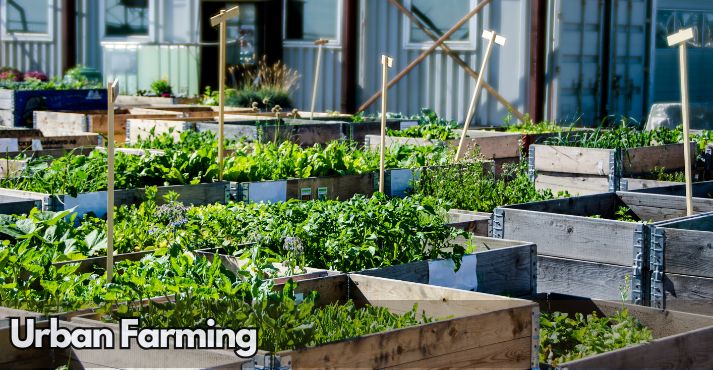
Urban farming is recognised as a complementary approach to food production in Southeast Asia, especially in land-constrained cities such as Singapore, where demand for fresh, locally produced food continues to rise.
By locating food production closer to end consumers, urban farming supports shorter supply chains and helps reduce transportation-related emissions.
Across Southeast Asia, urban farming takes multiple forms, including rooftop farms, indoor facilities, and vertical farming systems integrated into commercial and residential developments.
These models contribute to local food resilience by improving access to fresh produce while reducing reliance on imported food sources.
Technologies such as vertical farming and hydroponics are widely used in urban agriculture. Vertical farming supports food production through stacked growing systems that maximise output per unit of space, while hydroponic systems cultivate crops without soil using controlled nutrient and water delivery.
In Singapore, national data reflects the impact of these approaches: according to the Singapore Food Agency, vegetable farm productivity increased from about 227.2 tonnes per hectare per year in 2023 to approximately 231.4 tonnes per hectare per year in 2024, indicating efficiency gains in local food production systems.
Challenges in Urban Farming in Southeast Asia
Urban farming in Southeast Asia faces several constraints. Limited land availability remains a key challenge in major cities, while access to water, energy costs, and climate variability add operational complexity.
In Singapore, land scarcity and water stress require urban farming systems to operate with high resource efficiency.
Urban farmers also encounter high initial investment costs, regulatory requirements, and the need for technical expertise to manage controlled-environment agriculture.
Climate-related risks, including rising temperatures and extreme weather events, further affect production planning across the region.
Technology adoption and public-sector support help address these challenges. Advances in automation, monitoring systems, and resource-efficient farming methods have improved productivity and operational stability.
Government initiatives, research funding, and infrastructure support, especially in Singapore, continue to support the development of urban farming projects while maintaining sustainability and food safety standards.
The Future of Organic, Convenience, and Plant-Based Foods in Southeast Asia
Food consumption patterns in Southeast Asia continue to change as consumers place greater emphasis on health, sustainability, and practicality.
Organic, convenience, and plant-based foods are expected to remain important categories as urbanisation, food security concerns, and lifestyle demands influence how food is produced, distributed, and consumed across the region.
Organic foods align with interest in ingredient transparency, traceability, and environmentally responsible farming practices, while convenience foods respond to demand for speed and ease of preparation in urban settings.
At the same time, plant-based foods address interest in alternative protein sources and dietary diversity. Together, these food categories support a shift toward offerings that balance nutritional considerations with accessibility and efficiency.
Food manufacturers and restaurants are adjusting through product reformulation, expanded use of plant-based and organic ingredients, and the development of ready-to-eat and ready-to-cook options suited to modern consumption habits.
Consumers are also adapting by incorporating these foods into daily meals at home and when dining out. As these trends continue, businesses across Southeast Asia are reassessing sourcing strategies, menu planning, and product development to remain competitive and responsive to changing demand.
Conclusion
Vegan food and alternative proteins offer health, environmental, and ethical benefits. Diets that emphasise plant-based ingredients are commonly associated with higher fibre intake and lower saturated fat consumption.
At the same time, reduced reliance on animal agriculture supports lower resource use and environmental impact. Ethical considerations around animal welfare also contribute to interest in these food choices.
Across Southeast Asia, food manufacturers, foodservice operators, and consumers are incorporating more plant-based foods and alternative proteins into everyday meals without requiring a complete dietary change.
As innovation, availability, and awareness continue to expand, vegan food and alternative proteins remain an important part of efforts to support more sustainable and responsible food systems.