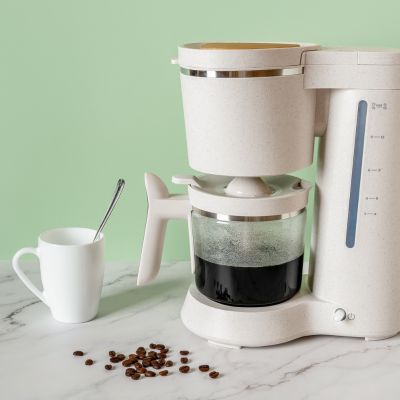
Coffee brewing has evolved into a fascinating journey in Southeast Asia, with more people exploring different coffee brewing methods and discovering the best ways to brew coffee at home. This shift is also influenced by broader innovations in the food and beverage industry, including advancements highlighted in food tech startups in Southeast Asia and the growing role of AI-crafted recipes.
From traditional coffee brewing methods like Turkish coffee to modern espresso machines, there are countless ways to make coffee depending on taste and lifestyle. Are you wondering what the best coffee brewing methods are and their differences? or exploring coffee brew types, this guide covers everything.
In Southeast Asia, traditional methods like Turkish coffee are prevalent, with espresso-based drinks gaining popularity in urban areas. Additionally, 83% of past-day coffee consumers in the U.S. brew their coffee at home, reflecting a global trend towards home brewing and increasing interest in coffee farming practices for a sustainable future.
Understanding the methods of brewing coffee helps you unlock better flavor, aroma, and consistency. Each coffee brewing method offers a unique experience, making it important to explore the different ways to make coffee and find what suits you best.
Some people like a French press’s robust and rich flavor, while others prefer a pour-over’s clean and light taste. There are even more coffee-making methods like AeroPress, a unique method that uses air pressure to extract flavor, for a quick cup on the go.
Before diving into the list, it’s important to understand that there are multiple methods to brew coffee, ranging from manual to automatic systems. These include types of coffee machines like espresso makers and drip brewers, as well as manual brew methods like French Press and pour-over, commonly used across modern commercial kitchen setups.
Exploring types of brewing coffee allows you to compare flavor, strength, and ease of use. Whether you prefer simple coffee brewing techniques or advanced setups, knowing your options will help you choose the best coffee brewing method for your needs.
Best Coffee Brewing Methods (Quick Summary)
If you’re short on time, here’s a quick breakdown of the best coffee brewing methods:
- Best for beginners: French Press, AeroPress
- Best for flavor clarity: V60, Chemex
- Best for strong coffee: Espresso, Moka Pot
- Best for low acidity: Cold Brew
- Best for convenience: Drip Coffee Maker
Each method delivers a unique taste, so the best choice depends on your preference, time, and equipment.
Understanding Coffee Brewing: The Science Behind Every Cup
Before diving into specific methods, it helps to understand the four variables that every brewing technique is essentially manipulating:
1. Grind Size
Grind size controls the surface area of coffee exposed to water. A finer grind extracts faster, which is why espresso uses fine grounds for its 25–30 second extraction. A coarser grind slows extraction, suited to the longer steep times of French Press or cold brew. Using the wrong grind size for your method is the most common reason for a bitter or weak cup.
2. Water Temperature
For hot-brew methods, the Specialty Coffee Association recommends a brew temperature of 90–96°C (195–205°F). Water that is too hot extracts bitter compounds aggressively; water that is too cool under-extracts, leaving the coffee flat and sour. Cold brew sidesteps this entirely by using cold water over an extended time.
3. Brew Ratio
This is the ratio of coffee to water, typically expressed as 1:15 or 1:16 (one gram of coffee to 15–16 grams of water) for most filter methods. Espresso uses a much more concentrated ratio, often 1:2. Getting your ratio right is the single fastest way to transform your cup.
4. Contact Time
How long water touches coffee grounds determines extraction depth. Espresso takes 25–30 seconds. French Press typically steeps for 4 minutes. Cold brew requires 12–24 hours. Each method is engineered around a contact time that suits its extraction mechanism.
A Note on Coffee Filters: The filter type profoundly affects the final cup. Paper filters trap oils and fine particles, producing a clean, clear brew typical of pour-over and drip methods. Metal mesh filters (used in French Press and AeroPress with a metal disc) allow oils through, giving a richer, fuller body. Cloth filters, used in traditional South Indian and some pour-over setups, sit between the two, offering moderate clarity with retained sweetness.
Quick-Reference Specs Table
Use this table as a quick-reference when choosing your method or calibrating your equipment. All specs reflect SCA-aligned best practices.
| Method | Grind Size | Water Temp | Coffee:Water Ratio | Brew Time | Filter Type | Body / Clarity |
| Espresso | Fine | 92–96°C | 1:2 | 25–30 sec | Pressurised basket | Full body / Concentrated |
| French Press | Coarse | 93–96°C | 1:15 | 4 min | Metal mesh | Heavy / Rich |
| Pour-Over (V60) | Medium-Fine | 90–96°C | 1:16 | 3–4 min | Paper | Clean / Bright |
| Drip / Auto Drip | Medium | 90–96°C | 1:15–1:17 | 5–8 min | Paper | Balanced / Clear |
| AeroPress | Medium-Fine | 80–93°C | 1:6–1:12 | 1–3 min | Paper or Metal | Smooth / Versatile |
| Moka Pot | Fine-Medium | Stovetop boil | 1:7 | 5–10 min | Metal plate | Strong / Bold |
| Cold Brew | Extra Coarse | Cold / Room temp | 1:8 | 12–24 hr | Paper or Cloth | Low-acid / Smooth |
| Turkish Coffee | Extra Fine (powder) | Below boil | 1:10 | 3–5 min | None (sediment) | Thick / Intense |
8 Most Popular Coffee Brewing Methods
These coffee brewing methods represent the most popular methods for making coffee globally. From beginner-friendly options to advanced setups, each method highlights different brewing techniques and flavor profiles.
No matter which technique you choose, each method brings out different notes and aromas, making it easier to enjoy a cup of gourmet coffee tailored to your taste.
If you’re comparing coffee brewing methods, you’ll notice differences in strength, clarity, and brewing time across these coffee brew types.
The Classics (Focus on Ease and Accessibility)
These classic coffee brewing techniques are among the most reliable ways to brew coffee, especially for beginners. They are widely used due to their simplicity and consistent results.
These traditional coffee brewing methods continue to dominate because they offer some of the best ways to brew coffee with minimal equipment, often seen in both home kitchens and types of cafes.
When it comes to how to make coffee with ease and accessibility, the classics are a great place to start. These methods are simple, straightforward, and perfect for those who want to enjoy a great cup without fuss.
From the iconic French Press to the trusty Moka pot, these approaches are designed to offer satisfying results with minimal effort.
Whether you’re seeking bold, rich flavors or a smooth, balanced brew, exploring these classic types of coffee will guide you to the best way to make coffee at home.
Let’s dive into some of the timeless methods that remain favorites among coffee lovers.
1. French Press
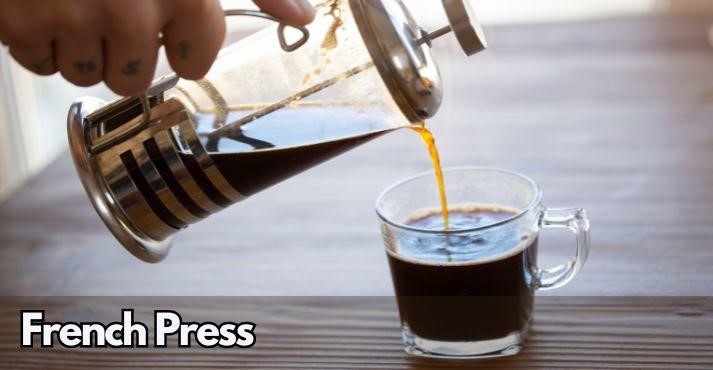
The French Press is one of the simplest methods for making coffee at home, and it’s a favorite among coffee enthusiasts for its rich, bold flavors.
This method uses total immersion, allowing coffee grounds to steep in hot water. This results in a profoundly flavorful brewed coffee. As the grounds stay in contact with the water for several minutes, they release more oils and compounds, giving French press coffee its distinctive full-bodied taste.
Let’s learn how to brew through a French press, step by step:
- Measure the Coffee: Use a 1:15 ratio; for a 34-oz French Press, that’s about 56 grams (8 tablespoons).
- Boil Water: Heat until boiling, then let it sit for 30 seconds to around 200 degrees Fahrenheit or 93 degrees Celsius.
- Add Coffee and Water: Add grounds to the press, pour in hot water, and stir gently.
- Steep: Place the lid on the French Press and steep for 4 minutes. If you find that your coffee is too weak, try steeping for an additional minute. If it’s too strong, reduce the steeping time by a minute.
- Press and Pour: Slowly press down the plunger, pour into your cup, and enjoy.
Bean Recommendation and Flavor Profile
Medium to dark roast blends are ideal for a French Press, as French Press coffee is full-bodied and robust, with a rich, intense flavor.
This brewing method is ideal for those who like a stronger cup and are okay with a bit of sediment at the bottom, a common feature of French press coffee.
Grind Recommendation: Coarse grind like sea salt.
For a more detailed guide, you can also explore how to use French Press.
2. Moka Pot (Stovetop Espresso)
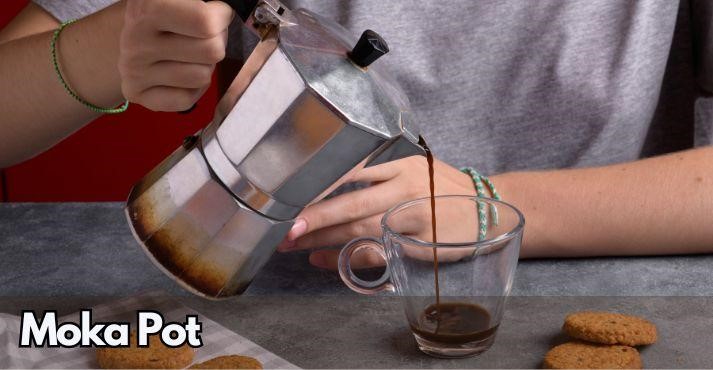
The Moka pot is a classic stovetop brewer that offers one of the most straightforward yet effective ways to make coffee at home. It operates by heating water in its lower chamber, creating pressure that forces the hot water through the ground coffee into the upper chamber.
This method is widely appreciated in both homes and small-scale food businesses that prioritize operational efficiency, similar to practices in essential kitchen automation tools.
The Moka pot is perfect for those who enjoy a concentrated brew and want an authentic Italian-style coffee experience. To make it easier for our readers, here is a guide to enjoy this experience easily at home.
- Add Water: Fill the lower chamber to just below the safety valve.
- Add Coffee: Use a fine-to-medium grind, filling the filter basket without packing it too tightly.
- Assemble and Heat: Secure the upper chamber, then place the Moka pot on a stovetop with medium heat.
- Listen for the Gurgle: This indicates the brewing is nearly complete (about 3-5 minutes). Remove from heat to avoid over-extraction.
- Serve and Enjoy: Pour the coffee into a cup or use it as a base for other drinks like lattes or cappuccinos.
Beans and Flavor Profile
Choose a medium to dark roast for a rich and bold coffee. Coffee brewed with the Moka pot is strong, aromatic, and similar in intensity to espresso.
It’s a must-have for those who appreciate the ritual of coffee making and enjoy robust and concentrated coffee without needing additional F&B service equipment.
Grind Recommendation: Fine-to-medium grind for best results.
The Pour-Over Methods (Focus on Control and Technique)
Pour-over is one of the most precise brewing methods, giving full control over extraction. It’s often considered among the best coffee brewing methods for flavor clarity.
Using a coffee filter in methods like V60 and Chemex helps remove oils and sediment, resulting in a cleaner cup compared to immersion brew methods, similar to precision techniques discussed in pour-over coffee.
When considering how to make ground coffee, it’s essential to consider the techniques behind your beans and the impact of different brewing techniques on flavor. Let’s explore two popular pour-over methods, the V60 and the Chemex, that exemplify these concepts.
3. V60 Pour-Over
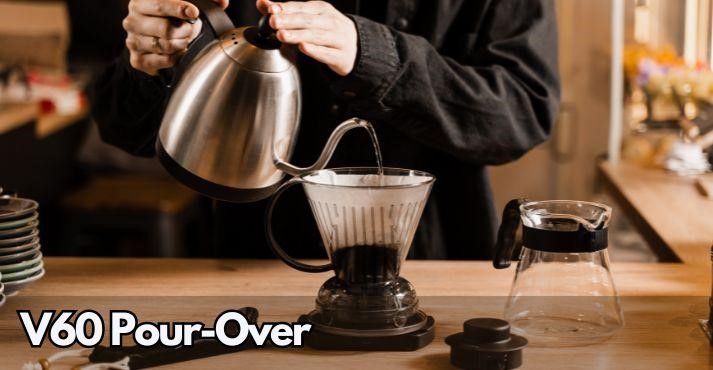
The V60 pour-over is popular for those who appreciate a clean and precise coffee-making process. It uses a cone-shaped dripper and a paper filter, allowing hot water to flow through the coffee grounds in a controlled, circular motion.
This technique highlights subtle flavors, making it a favorite for exploring the unique characteristics of different coffee beans. We will now look at the making process:
- Set-Up: Place a V60 cone on a carafe or mug with a paper filter. Rinse with hot water to remove any paper taste.
- Add Coffee: Use a medium-fine grind (like granulated sugar). For a 12-ounce cup, 24 grams of coffee works well.
- Bloom: Pour a small amount of hot water, around 200 degrees Fahrenheit or 93 degrees Celsius, over the grounds and let them bloom for 30 seconds.
- Complete the Pour: Pour the rest of the water slowly, circularly. This should take about 2-3 minutes.
- Serve: After brewing, enjoy your coffee.
Beans and Flavor Profile
The V60 works with various coffee types, including robusta coffee beans, for a bold flavor. Try to go for sustainable and ethical coffee options. The V60 brew is clean and allows the subtle flavors of the coffee to stand out.
Grind Recommendation: Medium-fine, resembling the texture of granulated sugar or table salt.
4. Chemex
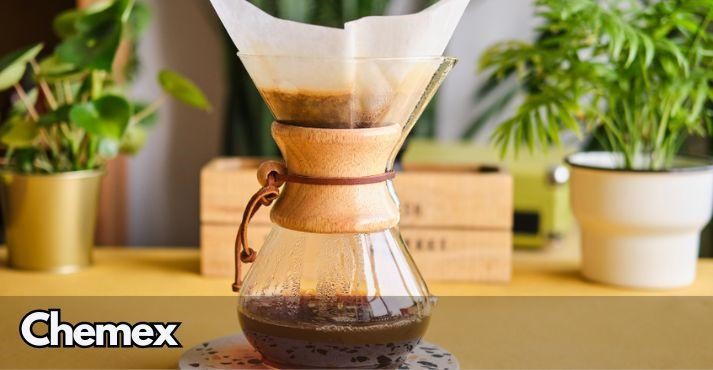
The Chemex is a classic among coffee brewing methods, known for its sleek design and exceptional coffee quality. The brewing process involves pouring hot water over the coffee grounds in a controlled manner, allowing it to seep through a thick paper filter.
This filter is vital to Chemex’s unique quality. It removes excess oils and sediment, resulting in a clean and crisp cup of coffee.
- Set-Up: Place a Chemex filter in the Chemex carafe and rinse with hot water to eliminate any paper taste.
- Add Coffee: Use a medium-coarse grind, like kosher salt. For a 6-cup Chemex, a typical ratio is 45 grams of coffee to 720 ml of hot water.
- Bloom: Pour a small amount of hot water, around 200 degrees Fahrenheit or 93 degrees Celsius, over the coffee grounds and let it bloom for 30 seconds.
- Complete the Pour: Continue pouring the rest of the hot water slowly, circularly, aiming for a total brew time of 3-5 minutes.
- Serve: After brewing, discard the filter and pour your coffee into cups.
Beans and Flavor Profile
The Chemex is versatile, allowing for various coffee types. Medium roast beans work well for a balanced flavor profile. It delivers smooth coffee with clarity.
This method is ideal for those who enjoy the aesthetics of coffee brewing and value a smooth flavor profile. It’s also an excellent choice for brewing multiple cups simultaneously, making it perfect for sharing.
Grind Recommendation: Medium-coarse, similar to kosher salt.
Immersion Methods (Focus on Full-Body Coffee)
Immersion methods are designed for coffee enthusiasts who prefer a deeper, more robust flavor. These techniques involve submerging coffee grounds in water, allowing for longer extraction times and richer results.
If you’re wondering how to brew coffee to achieve a full-bodied cup, immersion methods like AeroPress are the answer. By letting the coffee grounds steep, these methods bring out the intensity and depth that many coffee lovers crave.
If you’ve been curious about how to make ground coffee yield its fullest potential, these immersion techniques are worth exploring.
5. Cold Brew
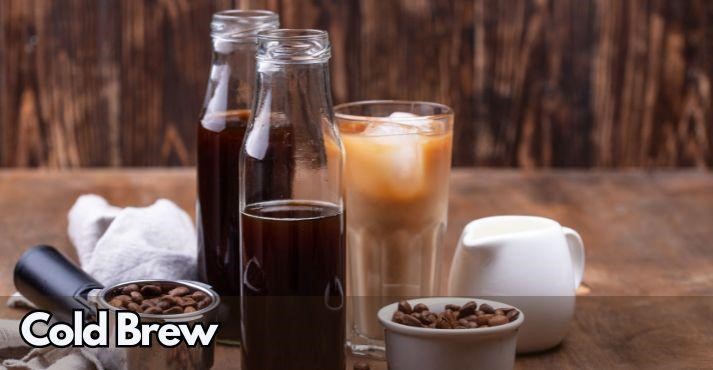
Cold brew is one of the most popular coffee brewing methods for those seeking low acidity. It’s also a unique approach to creating a smooth coffee decoction through slow extraction. If you’re comparing variations, check out cold brew tea vs iced tea.
For a twist, explore nitro cold brew infused with nitrogen for a creamy, velvety texture.
This slow extraction results in a rich and mellow coffee concentrate that can be diluted with water, milk, or cream to achieve the desired strength. Cold brew is ideal for making large batches, providing a convenient and refreshing coffee option for hot days or busy schedules.
Let’s take a look at the steps to make a cold brew:
- Measure Coffee and Water: Use a ratio of 1:4 coffee to water. For a 32 oz cold brew, that’s about 80 grams of coffee.
- Steep: Add coarsely ground coffee to a large jar or cold brew maker, then pour in cold water. Stir to ensure all the grounds are saturated. Cover and refrigerate for 12 to 24 hours.
- Filter: After steeping, strain the coffee to remove the grounds. You can use a fine mesh strainer, a cheesecloth, or a dedicated cold brew filter.
- Dilute and Serve: Dilute the coffee concentrate with water, milk, or cream to taste. Serve over ice for a refreshing, cold coffee.
Beans and Flavor Profile
Cold brew works well with medium to dark roast beans for a rich and smooth flavor. The slow extraction results in smooth and soft taste. It’s easy to customize by adjusting the dilution and adding flavorings like vanilla or caramel.
Grind Recommendation: Coarse, similar to breadcrumbs.
6. AeroPress
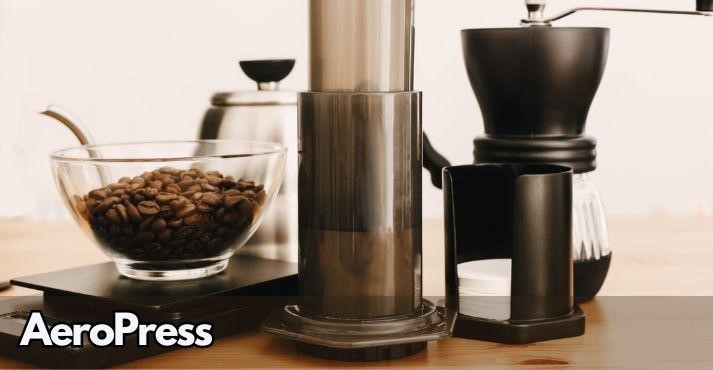
AeroPress is a versatile coffee brewing method appreciated for its convenience and portability. It’s an excellent choice for coffee enthusiasts who are always on the go, as it’s lightweight and easy to pack for travel or outdoor adventures.
The brewing process is straightforward. The steps are:
- Assemble the AeroPress: Insert a paper filter into the cap and rinse it with hot water to remove any paper taste.
- Add Coffee Grounds: Use a medium-fine grind. About 14-18 grams (1-2 tablespoons) is ideal for a standard AeroPress.
- Add Hot Water: Pour hot water around 200 degrees Fahrenheit or 93 degrees Celsius to the top of the AeroPress chamber. Stir gently to ensure even saturation of the coffee grounds.
- Press: Attach the plunger and press down slowly, aiming for a 20-30 second press time.
- Serve: Remove the AeroPress from your cup and enjoy the coffee once fully pressed.
Beans and Flavor Profile
The AeroPress works with a variety of beans. Consider using medium to dark roast for a richer flavor. It creates a clean, crisp coffee with a concentration similar to espresso. It is less intense than traditional espresso but offers a smooth and balanced cup.
This method is perfect for those who enjoy experimenting with coffee brewing techniques and appreciate a quick, clean brew.
Grind Recommendation: Medium-fine, similar to table salt.
For a step-by-step breakdown, you can also read how to make AeroPress coffee.
Alternative Brewing Methods (Focus on Unique Experiences)
Alternative brewing methods offer unique experiences for those seeking new ways to brew coffee at home. These techniques combine creativity with a touch of tradition, similar to evolving trends in the coffee industry.
Whether you’re looking for a visually captivating brewing process or a taste that deviates from the norm, these methods can be the best way to make coffee for those who crave variety and innovation. Let’s explore some of these unconventional yet intriguing coffee brewing techniques.
7. Siphon (Vacuum Pot Coffee)
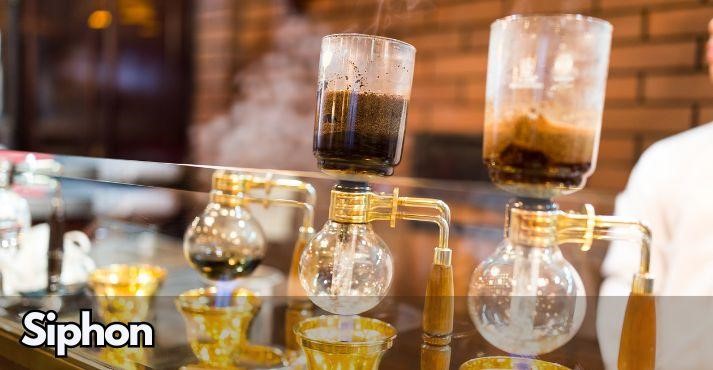
The siphon coffee maker brings out subtle flavors, so choose a single-origin medium roast for a balanced profile or a dark roast for deeper, more intense flavors.
The brewing process involves heating water in the lower chamber until it creates vapor pressure, which forces the water into the upper chamber, where it mixes with the coffee grounds.
Let’s take a look at a step-by-step guide to make it:
- Assemble the Siphon: Set up the siphon coffee maker, ensuring a tight seal. Fill the lower chamber with water.
- Add Coffee Grounds: Use a medium-coarse grind. A standard ratio is 1:15, or about 20-25 grams of coffee for a standard siphon.
- Heat the Water: Apply heat to the lower chamber. The hot water rises to the upper chamber as it vaporizes, mixing with the coffee grounds.
- Stir and Steep: Stir gently once the water reaches the upper chamber. Allow the coffee to steep for 1-2 minutes.
- Vacuum Extraction: Remove the heat source to create the vacuum that pulls the brewed coffee into the lower chamber.
- Serve: Once the coffee is fully extracted, pour it into a cup and enjoy.
Beans and Flavor Profile
The siphon coffee maker brings out subtle flavors, so choose a single-origin medium roast for a balanced profile or a dark roast for deeper, more intense flavors.
Siphon coffee is known for its clean taste and balanced body, often developing the aroma and exposing the unique notes of the coffee beans. The result is a nuanced cup with a rich aroma.
The siphon coffee maker is a conversation starter and a favorite among coffee fans who appreciate the art and science behind coffee brewing.
Grind Recommendation: Medium-coarse grind for optimal results.
8. Vietnamese Phin Filter
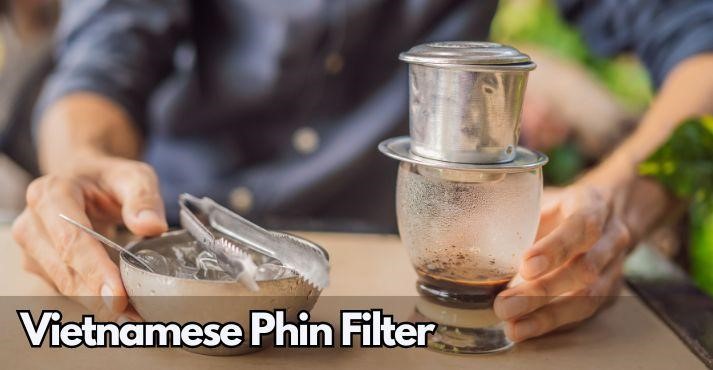
The Vietnamese phin filter is a classic way to make coffee. It offers a robust and aromatic brew often enjoyed with condensed milk for a traditional Vietnamese coffee experience.
To use the phin filter, place the coffee grounds in the filter, pour hot water over them, and let the coffee drip slowly into the cup below.
Let’s look at how it is done :
- Set-Up: Place the phin filter on top of your coffee cup. Add a paper filter if desired.
- Add Coffee Grounds: Use a medium-coarse grind. 20-25 grams of coffee works well for a standard phin filter.
- Add Hot Water: Pour a small amount of hot water around 200 degrees Fahrenheit or 93 degrees Celsius to let the coffee develop for about 30 seconds.
- Complete the Pour: Gradually add the remaining hot water, allowing it to drip through the grounds slowly. This can take 4-6 minutes.
- Serve: Once all the water has passed through, remove the phin filter, add condensed milk if desired, and enjoy.
This method is deeply connected to regional coffee culture and traditions, aligning with insights from coffee and tea rituals.
Beans and Flavor Profile
Choose a medium-coarse grind for the best extraction. Robusta beans are commonly used for their strong and bold flavor.
This method is known for its slower brewing time, which allows for a rich and full-bodied coffee. Adding condensed milk brings sweetness and creaminess, balancing the bold coffee flavor.
This method is one of the most popular ways to make coffee in Southeast Asia, ideal for those who enjoy a more indulgent coffee experience.
Grind Recommendation: Use a medium-coarse grind for the best extraction.
Traditional & Regional Coffee Brewing Methods
Long before specialty coffee became a global phenomenon, communities around the world had developed deeply rooted coffee traditions. These methods are not just historic curiosities many remain the dominant way coffee is consumed in their regions, and understanding them is essential for HoReCa operators serving diverse guests.
Turkish Coffee / Coffee Decoction
One of the oldest brewing methods still in daily use, Turkish coffee (or qahwa) is made by simmering extra-fine ground coffee almost powder in a small long-handled pot called a cezve or ibrik. The coffee is not filtered; instead, the grounds settle to the bottom of the cup. The result is a thick, intensely flavoured, and often sweetened coffee that is a UNESCO-recognised cultural heritage practice. The term ‘coffee decoction’ technically refers to any method in which coffee is boiled in water, making Turkish coffee the archetypal decoction brew.
South Indian Filter Coffee (Kaapi)
South Indian filter coffee, affectionately called kaapi, uses a two-part stainless steel or brass filter. Strong decoction drips slowly through a perforated plate into a lower vessel, typically taking 15–30 minutes. The decoction is then mixed with hot milk and sugar, and the drink is dramatically poured between a tumbler and a steel bowl (dabarah) to cool it and create a characteristic froth. A 2024 TasteAtlas ranking placed South Indian filter coffee among the world’s top-rated coffees. The beverage’s cultural resonance in South Asia makes it highly relevant for hospitality venues catering to Indian travellers and diaspora communities across Southeast Asia.
Vietnamese Phin
The Vietnamese phin is a small, single-cup drip filter traditionally made of aluminium or stainless steel. Ground coffee often a Robusta-heavy blend for intense flavour is placed in the filter chamber, hot water is added, and the brew drips slowly into a glass below. In Vietnam, phin coffee is commonly served over sweetened condensed milk (cà phê sữa đá) or enjoyed hot. The phin’s slow, meditative drip process and its association with Vietnamese café culture have made it increasingly popular among specialty coffee enthusiasts internationally.
How to Choose the Right Coffee Brewing Method
If you’re asking, what is the best way to brew coffee? The answer depends on your taste, time, and tools.
Understanding the types of coffee makers and comparing various coffee brewing methods helps you choose the ideal method for your needs. These decisions are often influenced by broader kitchen appliance trends.
Based on Taste Preference
- Bold & heavy: French Press, Moka Pot
- Clean & smooth: Chemex, V60
- Balanced: AeroPress
- Low acidity: Cold Brew
Based on Time & Convenience
- Quick methods: AeroPress, Espresso
- Slow methods: Cold Brew, Pour-over
- Hands-off: Drip machines
Based on the budget
- Low cost: French Press, Phin filter
- Mid-range: AeroPress, V60
- High-end: Espresso machines, Siphon
Based on Skill Level
- Beginner: French Press, Cold Brew
- Intermediate: AeroPress, Moka Pot
- Advanced: V60, Siphon
Coffee-to-Water Ratio Chart (Golden Ratio Guide)
Getting the ratio right is essential for perfect coffee extraction.
| Brewing Method | Ratio |
|---|---|
| French Press | 1:15 |
| Pour-over | 1:16 |
| Espresso | 1:2 |
| AeroPress | 1:3 to 1:4 |
| Cold Brew | 1:4 (concentrate) |
Tip: Adjust ratios slightly based on taste preference.
Coffee Grind Size Chart for Every Brewing Method
Grind size directly affects flavor and extraction.
| Method | Grind Size |
|---|---|
| French Press | Coarse |
| Cold Brew | Extra Coarse |
| Chemex | Medium-Coarse |
| V60 | Medium-Fine |
| Espresso | Fine |
| AeroPress | Medium-Fine |
Wrong grind = bitter or weak coffee.
Common Coffee Brewing Mistakes (And How to Fix Them)
Even great beans can taste bad if brewed incorrectly.
Over-Extraction
- Cause: Too fine a grind or too long brew time
- Fix: Use a coarser grind, reduce time
Under-Extraction
- Cause: Too coarse a grind or too short a time
- Fix: Use a finer grind
Wrong Water Temperature
- Ideal: 90–96°C
- Too hot = bitter
- Too cold = weak
Incorrect Ratios
- Always measure coffee and water
Best Coffee Beans for Each Brewing Method
Using the right beans enhances flavor significantly. If you’re exploring origins, consider learning about what is Arabica coffee.
- French Press: Dark roast (bold, rich)
- Pour-over: Light to medium roast (complex flavors)
- Espresso: Medium-dark roast (balanced strength)
- Cold Brew: Medium-dark (smooth, chocolatey notes)
Freshly ground beans always perform better.
Ideal Water Temperature & Quality for Coffee Brewing
Water makes up 98% of your coffee, so quality matters.
- Temperature: 90–96°C (195–205°F)
- Water type: Filtered or mineral-balanced
- Avoid distilled water (flat taste)
Clean water = cleaner flavor.
Beginner vs Advanced Coffee Brewing Methods
Understanding difficulty helps you start right.
Beginner-Friendly
- French Press
- Cold Brew
- Drip Coffee
Advanced Methods
- V60 (requires pouring technique)
- Siphon (technical setup)
- Espresso (precision required)
Manual vs Automatic Coffee Brewing Methods
Manual Methods
- French Press
- Pour-over
- AeroPress
More control
Requires effort
Automatic Methods
- Drip Coffee Maker
- Espresso Machines
Convenient
Less control
Health Impact of Different Coffee Brewing Methods
Different methods affect health differently.
- French Press: Higher oils (may raise cholesterol)
- Filter Coffee: Removes oils (healthier option)
- Cold Brew: Lower acidity (gentle on the stomach)
Choose based on your health needs.
Cost Comparison of Coffee Brewing Methods
| Method | Cost Level |
|---|---|
| French Press | Low |
| AeroPress | Low |
| Pour-over | Medium |
| Espresso Machine | High |
| Siphon | High |
Budget matters when choosing equipment.
Best Coffee Brewing Methods for Iced Coffee
Not all methods work well for iced coffee.
- Best: Cold Brew
- Also good: AeroPress (over ice), V60 (Japanese iced coffee)
Cold brew is the smoothest and least bitter.
Quick Beginner Guide to Brewing Coffee at Home
Follow these simple steps:
- Choose your brewing method
- Use fresh coffee beans
- Grind to the correct size
- Use the proper ratio
- Brew with the correct temperature
- Enjoy immediately
Comparison of Coffee Brewing Methods
| Method | Flavor | Time | Difficulty | Cost |
|---|---|---|---|---|
| French Press | Bold | 4 min | Easy | Low |
| V60 | Clean | 3 min | Medium | Low |
| Espresso | Strong | 1 min | Hard | High |
| Cold Brew | Smooth | 12 hrs | Easy | Low |
| AeroPress | Balanced | 2 min | Easy | Low |
Brief History of Coffee Brewing Methods
Coffee brewing has evolved over centuries across the global coffee industry.
- 15th century: Turkish coffee
- 1800s: French Press invention
- 1900s: Espresso machines
- Modern era: AeroPress, specialty brewing
Today, coffee brewing blends tradition with innovation.
Recommended Equipment for Each Brewing Method
- French Press: Glass or stainless steel press
- Pour-over: V60 dripper, Chemex
- Espresso: High-pressure machine
- Cold Brew: Mason jar or cold brew maker
- AeroPress: Portable press
Investing in good tools improves consistency.
Which Coffee Brewing Method Is Best for You?
The best brewing method is always personal. Here is a practical persona map to help you find your match:
| Your Situation | Recommended Method(s) | Why It Works |
| Busy professional 5 minutes or less | AeroPress, Pod machine, Auto drip | Fast, consistent, minimal cleanup |
| Home flavour experimenter | Pour-over (V60 / Chemex), AeroPress | Maximum control over every variable |
| Entertaining guests at home | French Press, Drip machine (thermal carafe) | Makes multiple cups; looks impressive |
| Traveller or outdoor enthusiast | AeroPress, Phin, Moka Pot (stovetop) | Portable, durable, no electricity needed |
| Budget-conscious starter | French Press, Moka Pot | Low entry cost; high-quality output |
| Traditional coffee lover | Turkish cezve, South Indian filter, Phin | Authentic flavour; cultural experience |
| HoReCa / Café operator | Commercial espresso, Batch drip, Cold brew | High volume, consistency, menu versatility |
| Health & low-acid preference | Cold brew, AeroPress (short steep) | Naturally lower acidity; easier on digestion |
Coffee Brewing Methods (FAQs)
What is the easiest coffee brewing method?
The French Press is the easiest brewing method when making coffee for more than one person. Simply add your coffee grounds, pour in hot water, stir, and let it steep for a few minutes. Once it’s ready, press down the plunger slowly, and your coffee is good to go.
Which coffee brewing method is the strongest?
Espresso (or Moka Pot alternative) produces the strongest coffee due to high-pressure extraction. For more on the differences within espresso-style drinks, see our guide on espresso vs lungo.
Which coffee method is least bitter?
Cold brew coffee is the least bitter because it uses cold water and slow extraction.
What is the most robust coffee brewing method?
Espresso is widely considered the most robust coffee brewing method due to its high concentration of coffee solids and intense flavor. Using pressure to extract coffee results in a potent shot with a robust and bold taste.
What is the least bitter coffee brewing method?
Cold brew is often the least bitter coffee brewing method. The extended steeping process in cold water extracts coffee with minimal acidity and bitterness, resulting in a smooth, mellow coffee that is easy on the palate.
Which coffee brewing method has the most flavor?
The pour-over methods, such as the V60 and Chemex, are known for extracting a wide range of flavors from coffee. These methods allow for precise control over brewing variables, resulting in a coffee that highlights the unique characteristics of the beans.
Can you make espresso in a French Press?
While the French Press cannot create authentic espresso due to its lack of pressure, it can produce a concentrated and robust coffee with a similar flavor profile. You can achieve a bold and intense coffee similar to espresso by using a finer grind and reducing the steeping time.
Conclusion
The best coffee brewing method depends on your taste, lifestyle, and how much control you want over the brewing process.
From bold French press coffee to smooth cold brew and precision pour-over, each method offers a unique coffee experience. As coffee continues to evolve alongside trends like sustainable foods and innovation in F&B, experimenting with different brewing techniques becomes even more exciting.
From traditional coffee brewing to modern innovations, there are endless different coffee brewing methods to explore.
Whether you’re experimenting with methods of brewing coffee or searching for the 4 best coffee brewing methods to start with, the key is understanding how each method impacts taste.
By mastering different brewing techniques, you can discover the best coffee brewing method that suits your lifestyle and preferences.
So explore the different coffee brewing methods, experiment with grind sizes and brewing techniques, and start your coffee journey today.
References & Sources
- Specialty Coffee Association (SCA). (2023). Water Quality Handbook and Brewing Control Chart. Available at: sca.coffee — Industry-standard guidelines for brew temperature, brew ratio, and extraction yield, directly supporting the specs table in Section 4.3 of this guide.
- Wang, X. & Lim, L.T. (2023). Effects of grind size, temperature, and brewing ratio on immersion cold brewed and French press hot brewed coffees. Applied Food Research, Vol. 3(2), p.100334. Available via DOAJ — Peer-reviewed study confirming that extraction rate and yield increase with higher brewing temperature and finer grind size; supports recommendations in the brewing science section.
- National Coffee Association USA. (2024). National Coffee Data Trends (NCDT) — Fall 2024 Survey. Available at: ncausa.org — Source for the statistic that cold coffee consumption rose 60% between Winter 2023 and Fall 2024, underpinning the cold brew market opportunity discussed in Section 4.4.