
There are many reasons why a person may want to avoid eating acidic foods. They damage tooth enamel and stomach lining and trigger various medical conditions.
Recent studies have linked high dietary acid load to inflammation, obesity, and increased cancer risk, while a 16-week study found that participants on a low-fat vegan diet with reduced acid load lost an average of 6 kilograms, highlighting the importance of balancing acidic and alkaline foods for better health.
Acidity in foods is characterized by acidic compounds affecting taste and pH levels. Anything below pH 7 is acidic, while anything above pH 7 is alkaline.
So, when we talk about acidic foods, we refer to the changes in the body’s acidity levels once that food is ingested. Understanding this is essential for maintaining a healthy diet and overall well-being. The pH level of foods plays a crucial role in impacting various bodily functions.
5 Key Facts About Acidic Foods
- Foods with a pH below 7 are considered acidic; below 4.5 is considered highly acidic
- Your blood pH is tightly regulated at ~7.4 regardless of diet — but dietary acid load still affects digestion, dental health, and gut health
- The PRAL score (Potential Renal Acid Load) is a more accurate measure of a food’s acid effect on the body than raw pH alone
- Citrus fruits are high in pH-measured acidity but may have an alkalizing effect after digestion
- People with GERD, kidney disease, or acid reflux benefit most from limiting high-acid foods
We will be exploring top 10 acidic foods you should avoid eating.
Understanding Acidity
Acidity refers to a substance’s acidity or alkalinity level, often measured on the pH scale. The concentration of acidic compounds in the food and beverage category determines acidity.
The pH scale ranges from 0 to 14, with 7 being neutral. Foods with a pH below 7 are considered acidic, while those above 7 are alkaline or basic. These foods may contribute to enamel erosion, leading to dental issues like cavities.
The values of pH range from 0 to 14:
- Acidic: 0.0–6.9
- Neutral: 7.0
- Alkaline (or primary): 7.1–14.0
The average pH of the human body is 7.40. When foods are broken down in the body, they can make other compounds that are more or less acidic. While not eating or drinking, your saliva should stay close to the neutral range of 6.5 to 7.5 pH.
Additionally, a diet rich in highly acidic foods may lead to conditions such as acid reflux or heartburn, causing discomfort. Gastrointestinal health can be affected, and individuals with sensitivities may experience stomach irritation. Those with common dietary restrictions or food allergens to manage should pay particular attention to dietary acid load, as certain acidic foods frequently overlap with other dietary triggers.
What Are Acidic Foods?
Acidic foods are those that lower the body’s pH level after digestion, leaving an “acid-forming” residue. The pH scale ranges from 0 to 14 foods with a pH below 7 are considered acidic. While some acidic foods (like fruits and yogurt) contain valuable nutrients, frequent intake may cause acid reflux, tooth enamel erosion, and stomach irritation in sensitive individuals.
Common examples of acidic foods include:
-
Citrus fruits (lemons, oranges, grapefruits)
-
Tomatoes and tomato sauces
-
Coffee and soft drinks
-
Processed foods and refined sugars
-
High-fat or fried foods
These foods are best enjoyed in moderation and balanced with alkaline-forming foods like vegetables and nuts to maintain a healthy digestive system. Understanding what antioxidants do in many of these same foods citrus fruits in particular helps explain why eliminating them entirely is rarely the right answer.
List of Acidic Foods to Avoid
High acidity in the blood causes adverse chemical reactions in the body. Therefore, we need to know what foods are high in acid to avoid them.
But are some foods more harmful than others? Let’s explore our list of acidic foods to help you understand better and align your diet accordingly.
1. Citrus Fruits
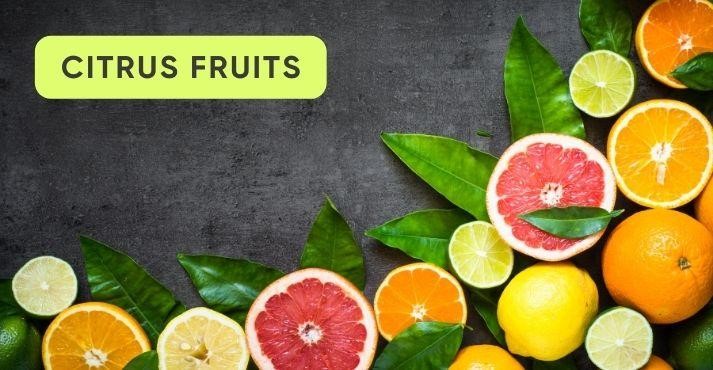
Citrus fruits are one of the most acidic foods, having high acidity, with pH levels typically ranging from 2 to 4. Citric acid is a naturally occurring antioxidant.
The primary acids found in citrus fruits are citric acid and ascorbic acid (vitamin C). While these acids contribute to the fruits’ distinctive tartness and flavor, they can impact dental health and may be a consideration for those with acid sensitivity.
These foods have the highest amounts of naturally occurring citric acid:
Lemons
Lemons are rich in citric acid, a natural source of tartness and flavor. Lemons typically have a pH level of around 2, indicating high acidity. The low pH contributes to their tangy taste.
Oranges
Oranges contain citric acid, contributing to their refreshing taste. Oranges generally have a pH ranging from 3 to 4, making them less acidic but relatively acidic than lemons.
Grapefruits
Grapefruits are known for their citric acid content, providing a slightly bitter and tangy flavor. The pH level of grapefruits is usually around 3, similar to oranges.
Berries
Different berries, such as strawberries, raspberries, and blueberries, contain citric acid. The pH levels of berries vary but generally fall within the range of 3 to 4, depending on the specific type of berry.
2. Tomatoes and Tomato-based Products
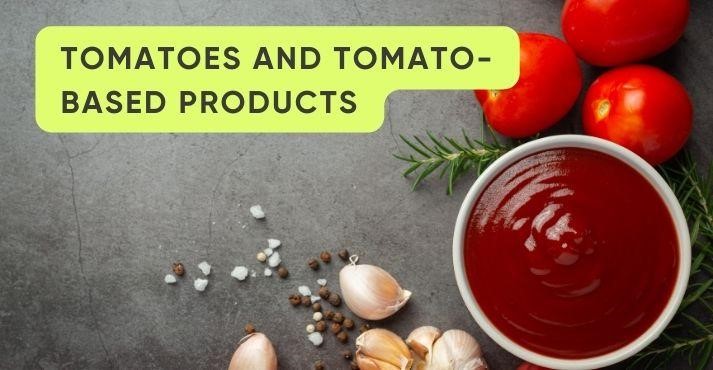
Do you know what fruits are acidic?
The answer is tomatoes. They exhibit acidity due to citric acid, malic acid, and ascorbic acid (vitamin C). The tartness in tomatoes enhances their overall flavor profile.
While cooking can reduce the perceived acidity, raw tomatoes are characterized by a pH level of around 4, placing them on the mildly acidic side. The acidity in tomatoes contributes to taste and influences their texture during the cooking.
According to a research study, tomatoes with high acid and low sugar are very acidic, while those with high sugar and low acid content have a bland, sweet taste.
Sauces and Ketchup
Sauces, including ketchup, often contain acidic ingredients such as tomatoes and vinegar. Tomatoes contribute citric and malic acids, while vinegar adds acetic acid. The pH levels in these products typically range from 3.5 to 4.5, indicating moderate acidity.
For some individuals, excessive consumption of tomato sauces and ketchup may pose health challenges. High acidity can contribute to enamel erosion, potentially leading to dental issues. Those with acid reflux or sensitive stomachs might experience discomfort.
3. Processed Foods

Processes are another acidic food to avoid as they are high in sugars, refined grains, and unhealthy fats and tend to be more acidic.
Therefore, processed foods contribute to acidity due to additives, preservatives, and artificial flavorings.
High levels of refined sugars, which are prevalent in many processed foods, can also increase acidity. Additionally, specific processing methods may alter the natural pH balance of ingredients.
Excessive consumption of such processed foods may lead to health issues, including dental problems, digestive discomfort, and an increased risk of conditions associated with high acidity.
Canned Soup
According to the canned food market insights, many canned soups contain added preservatives and flavor enhancers, increasing acidity. Frequent consumption of highly processed soups may contribute to gastrointestinal discomfort and potentially negatively affect digestive health.
Commercial Salad Dressings
Some commercial salad dressings contain vinegar and other acidic ingredients, resulting in moderately acidic pH levels.
Excessive intake of acidic dressings may impact dental health and contribute to calorie-dense diets. Opting for homemade dressings with fresh ingredients can be a healthier choice.
4. Sugary Sweets

Sugar is highly acidic, causes blood sugar spikes, and leads to rapid weight gain. The broader rise of healthy indulgence in the food industry reflects growing consumer demand for lower-acid, lower-sugar alternatives to traditional confectionery a trend worth watching if you have a sweet tooth.
While the pH of the blood is tightly regulated, excessive sugar intake may influence acidity levels and contribute to health issues, emphasizing the need for maintaining a balanced diet for optimal physiological conditions.
Candies, incredibly sour varieties, may contain citric or tartaric acid, lowering pH to around 3.5. Gummies and chewy candies can cause damage to teeth, increasing the risk of enamel erosion. Chocolate, with a pH of around 5.5-6, is less acidic but can still contribute to dental issues.
Candies
Candies, especially sour ones, often contain citric or tartaric acid, resulting in low pH levels of around 3.5. Citric acid is the most utilized ingredient in those sour gummy bears or worms, lemon drops, and dozens of other assortments.
Acids with higher pH levels provide more sour flavor, and sour confections may contain a mix of several food-grade acids. The acidic nature causes tooth decay and potential digestive discomfort. Limiting acidic candies supports oral health and overall well-being.
Cakes
Cakes with added sugars may have pH levels ranging from 4 to 6. Notably, baking powder vs. baking soda two leavening agents fundamental to baking are both alkaline powders activated by acidic ingredients in batter, which explains the interplay of acid and base chemistry in baked goods.
Regular consumption can disrupt the body’s acid-base balance, emphasizing the need for moderation in sweet indulgences.
Chocolate
Cocoa powder is inherently acidic. Chocolate has a pH of around 5.5–6.0 due to its cocoa and sugar content. Understanding cocoa as an ingredient is key: the difference between cacao powder and cocoa powder also matters here raw cacao is less processed and often slightly less acidic than dutched cocoa.
For chocolate-based confections and sauces, see how acidity plays into ganache preparation as well.
If you are trying to replace refined sugars, our guide to natural vs. artificial sweeteners and the best natural sweeteners can help you find lower-acid options that satisfy without the pH hit.
5. Carbonated Drinks
Carbonated drinks are categorized as highly acidic foods and beverages. Carbonated drinks, including sodas, often have pH levels ranging from 2 to 4 due to added acids like phosphoric acid.
According to a research study, the pH of commercial non-dairy beverages ranges from 2.1 (lime juice concentrate) to 7.4 (spring water).
Commercially available beverages with a pH < 4.0 potentially damage the dentition. Acids are added to beverages and compose a flavor profile, giving the beverage a distinctive taste.
These low pH levels make them highly acidic, causing enamel erosion and tooth decay. The combination of acidity and sugar in these drinks creates harmful bacteria, leading to cavities and gum issues.
Regular consumption of carbonated and alcoholic beverages without proper oral care can significantly increase the risk of dental problems.
6. Coffee and Tea

After water, tea and coffee are the two most commonly consumed beverages worldwide. Coffee is recognized for its higher acidity than tea, with a pH range of 4.85 to 5.10, while tea typically falls between 6.0 and 7.2. This distinction signifies that coffee is more acidic than tea.
The acidity in coffee is attributed to chlorogenic acids, while tea contains tannins and catechins. The acidity in coffee has been associated with potential issues like heartburn, acid reflux, and digestive discomfort for specific individuals.
While moderate coffee or tea intake is generally well-tolerated, those with existing digestive sensitivities may experience discomfort. Also, the acidity in these beverages may influence the gut microbiota.
Coffee
Acids are recognized as a critical contributor to the sensory experience of coffee. Acids give rise to taste and flavor but also function as flavor precursors for other quality descriptors of coffee.
Roasting levels of coffee range from light to medium to dark. Light roasts contain higher acidity. Dark roasts produce a black bean with slight acidity and a bitter roasted flavor.
Tea
According to the trends in the tea sector, tea comes in many types and varieties and is sourced from various countries worldwide.
Here are some of the most common types of teas and their pH levels:
- Green tea – between 8 to 9 pH
- Chamomile/ mint tea – 7 pH
- Black tea – 5 pH
- Iced tea – between 3 to 4 pH
- Rosehip tea – 2 pH
According to research, black tea has a low acid composition, and its consumption leads to only minor and short-lived decreases in pH at the tooth surface.
7. Dairy Products

Dairy products, like yogurt and some cheeses, exhibit acidity due to lactic acid produced during fermentation. While these contribute to flavor, individuals with sensitivities or digestive issues may seek alternatives.
Low-acid dairy options include low-fat or non-fat milk, which is less acidic than full-fat. Dairy alternatives like almond or oat milk naturally have lower acidity and may suit those seeking dairy-free options.
Additionally, lactose-free dairy products can be less acidic, offering a gentler option for individuals with lactose intolerance. Balancing dairy consumption and exploring alternatives ensures diverse choices for those looking to manage acidity in their diet.
8. Spicy Foods

Spicy foods are highly acidic foods. The capsaicin compound responsible for spiciness may stimulate acid production in the stomach, leading to acid reflux or heartburn.
Everyday spicy dishes like chili, hot wings, and curry contain chili peppers, garlic, and onions, which can exacerbate acidity. The combination of intense flavors and potential stomach irritation makes moderation essential for those prone to digestive discomfort.
Balancing spicy foods with non-acidic components and opting for milder versions of dishes can help individuals enjoy these flavors without causing undue acidity-related issues.
Spicy Chilli
It is a classic dish with ground meat, beans, and a flavorful blend of spices, including chili powder and cayenne pepper. The pH level of spicy chili can vary based on ingredients but tends to be on the acidic side, often below 5, due to acidic components like tomatoes.
Hot Wings
Chicken wings coated in a fiery sauce, often a combination of hot sauce, butter, and various spices, delivering intense heat. The acidity in hot wings comes from ingredients like hot sauce, which typically has a low pH.
Spicy Curry
A staple in many cuisines, curry is a dish with a spicy kick, featuring a blend of aromatic spices, chili peppers, and often coconut milk or tomatoes.
Spicy curry dishes can have varying pH levels, often influenced by acidic components like tomatoes or yogurt, resulting in a moderately acidic profile, typically below 6.
9. Alcoholic Beverages

Alcoholic beverages exhibit acidity primarily due to fermentation, producing organic acids. The pH levels can vary across different drinks; for instance, beer generally ranges from 4 to 6, while wine may range from 3 to 4.5.
Excessive alcohol consumption can contribute to digestive issues, including acid reflux. Moderation is crucial to mitigate these effects. Alternatives such as lower-alcohol beverages, like light beers or spritzers, may be mild on the digestive system.
Also, the trends in the beer industry indicate that consumers seek healthy alcohol drinks as an alternative to higher pH levels. Also, non-alcoholic options, such as mocktails or alcohol-free beers, provide alternatives without the potential acidity associated with alcoholic beverages.
10. High-Fat Foods
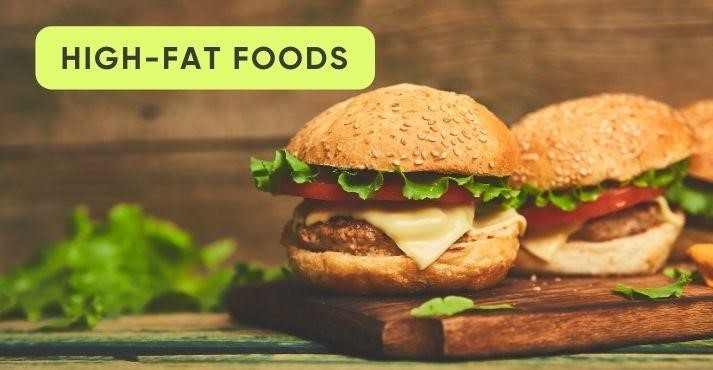
High-fat foods are also considered high-pH foods that lead to acidity in the body, often due to their impact on digestion. Foods rich in saturated fats, such as fried foods, fatty meats, and particular dairy products, may increase stomach acid production, potentially causing acid reflux or indigestion.
For example, high-fact and acidic foods such as burgers, creamy sauces, and deep-fried snacks. Opting for alternatives like lean proteins, whole grains, and plant-based fats can help reduce acidity.
Foods like avocados, nuts, and olive oil provide healthy fats without the same potential for digestive discomfort. Balancing the intake of high-fat foods with nutrient-dense alternatives supports digestive and metabolic health and aligns well with sustainable eating habits that emphasize whole-food, plant-forward choices.
Acidic Foods Ranked by pH Level
| Food Item | Approx. pH Level | Acidity Category | Notes |
|---|---|---|---|
| Lemon Juice | 2.0 | Highly Acidic | Strongest natural acid among fruits |
| Vinegar | 2.5 | Highly Acidic | Contains acetic acid |
| Soda (Cola) | 2.6 | Highly Acidic | Combines sugar + phosphoric acid |
| Grapefruit | 3.0 | Highly Acidic | Contains citric acid |
| Tomato Sauce | 4.0 | Moderately Acidic | Common cause of reflux |
| Coffee | 4.8 | Moderately Acidic | Contains chlorogenic acids |
| Yogurt | 4.5 | Slightly Acidic | Healthy but low pH |
| Cheese | 5.1 | Slightly Acidic | Lactic acid during fermentation |
| Wine | 3.5 | Highly Acidic | Acidic from fermentation |
| Processed Meats | 6.0 | Mildly Acidic | Forms acid during digestion |
Tip: The lower the pH number, the higher the acidity level. Foods below 4.5 are typically the most acid-forming.
Why Do Acidic Foods Affect Your Body’s pH Balance?
Your body constantly works to maintain a slightly alkaline blood pH of around 7.4. When you eat too many acidic foods, the body must use key minerals like calcium, magnesium, and potassium to neutralize excess acid. Over time, this may increase the body’s acid load, potentially leading to:
-
Fatigue and inflammation
-
Digestive discomfort
-
Weakened bone density
-
Acid reflux and bloating
Although the body naturally regulates pH, an acid-heavy diet can still affect digestive enzymes, saliva balance, and the gut microbiome, influencing long-term wellness. Supporting gut health through foods for digestion and incorporating nutraceuticals that support mucosal integrity are both strategies used in functional nutrition to counterbalance dietary acid load.
What Is Metabolic Acidosis?
Metabolic acidosis is a clinical condition in which the body’s blood pH falls below 7.35, indicating excess acid that the body’s buffering systems cannot adequately compensate for. It is distinct from the normal, healthy variation caused by diet in most people. Metabolic acidosis is typically caused by an underlying medical condition such as kidney disease, uncontrolled diabetes (diabetic ketoacidosis), or severe diarrhea rather than diet alone in healthy individuals.
However, research from MedicineNet and other clinical sources notes that people with compromised kidney function (characterized by blood bicarbonate levels below 22 mEq/L) may be more susceptible to diet-induced increases in acid load. For these individuals, reducing dietary PRAL through increased fruit and vegetable intake may be therapeutically meaningful.
Symptoms of metabolic acidosis (which require medical evaluation) include rapid breathing, confusion, fatigue, and irregular heartbeat. If you suspect this condition, consult a healthcare provider dietary adjustment alone is not a substitute for medical treatment.
Acidic vs Alkaline Foods – What’s the Difference
Acidic foods leave an acidic residue after digestion, which can irritate the stomach in some people. Alkaline foods, on the other hand, help neutralize this effect and maintain a steadier pH balance.
The goal isn’t to cut acidic foods completely, since many provide essential nutrients, but to pair them with alkaline options that reduce overall digestive stress.
| Aspect | Acidic Foods | Alkaline Foods |
|---|---|---|
| pH Effect After Digestion | Leave an acidic residue (acid ash) that can lower body pH balance | Leave an alkaline residue (alkaline ash) that helps neutralize body pH |
| Examples | Meat, dairy, processed grains, coffee, alcohol, citrus fruits (in effect, not taste) | Leafy greens, cucumbers, broccoli, almonds, most fresh fruits except citrus |
| Impact on Digestion | Can cause discomfort, bloating, or acid reflux in sensitive individuals | Support smoother digestion and reduce irritation for those sensitive to acidity |
| Nutrient Profile | Often rich in protein, fats, and minerals like phosphorus and sulfur | Often high in vitamins, fiber, potassium, magnesium, and antioxidants |
| Role in Diet | Important for energy and protein but may need balancing with alkaline foods | Helpful for restoring balance, supporting hydration, and maintaining gut comfort |
For those pursuing vegan food or plant-forward eating, a natural side effect is a lower overall dietary acid load plant proteins carry a significantly lower PRAL score than animal proteins, making plant-based diets inherently friendlier to the body’s acid-base balance. The farm-to-table movement’s emphasis on fresh, minimally processed produce aligns closely with low-acid dietary principles.
Acidic Foods and Health Conditions
Understanding your personal health context matters enormously when it comes to acidic foods. The same food that is perfectly fine for one person can be a significant trigger for another.
Acidic Foods and GERD / Acid Reflux
Gastroesophageal reflux disease (GERD) is one of the conditions most directly affected by dietary acid load. Foods that are both high in acid and capable of relaxing the lower esophageal sphincter the muscular valve separating the stomach from the esophagus are the most problematic. These include citrus fruits, tomatoes, coffee, chocolate, alcohol, and spicy foods. For those with GERD, a low-acid diet focusing on alkaline-forming vegetables, lean proteins, and non-citrus fruits can significantly reduce symptom frequency.
Key tip: Eating smaller, more frequent meals and avoiding lying down within three hours of eating can reduce reflux episodes regardless of the acid content of your diet.
Acidic Foods and Kidney Disease
The kidneys are the primary organ responsible for excreting excess acid from the body. In individuals with chronic kidney disease (CKD), this acid-buffering capacity is impaired, making dietary acid load far more clinically significant. Nephrology guidelines generally recommend that people with CKD follow a lower PRAL diet, emphasizing fruits, vegetables, and plant-based proteins while limiting high-protein animal foods, processed meats, and phosphoric acid-containing sodas. Always consult a nephrologist or registered dietitian for individualized guidance.
Acidic Foods and Dental Erosion
The dental effects of dietary acid are among the most well-established. Acids in food and drink directly contact tooth enamel the hardest substance in the human body, but one that cannot regenerate once lost. The most erosive foods for enamel are those with a pH below 4.0, including soft drinks (pH ~2.5–3.5), citrus juices (pH ~2.0–4.0), vinegar, and wine. The frequency of consumption matters as much as the amount: sipping acidic drinks throughout the day causes more damage than consuming them quickly at mealtimes.
Protective strategies:
- Rinse with water immediately after consuming acidic foods or drinks
- Wait at least 30 minutes before brushing teeth after consuming acid (brushing immediately can accelerate enamel loss while the surface is softened)
- Use fluoride toothpaste and consider a remineralizing mouthwash
Acidic Foods and Bone Health
Some research has investigated whether a chronically high dietary acid load contributes to bone mineral loss by drawing calcium, magnesium, and phosphate out of the skeleton to neutralize excess acid a process called “acid-ash hypothesis.” While the evidence is still debated and the body’s buffering systems are robust, long-term adherence to a balanced, lower-PRAL diet rich in alkaline-forming vegetables and fruits is broadly associated with better bone mineral density outcomes, particularly in older adults.
Healthy Alternatives to Acidic Foods
A smarter approach is to swap highly acidic foods with more neutral or alkaline options that keep meals enjoyable while being gentler on digestion.
These alternatives support balance in the gut and provide key vitamins and minerals without the drawbacks of excess acidity.
| High-Acidic Food | Why It’s Acidic | Healthier Alternative | Why This Swap Works |
|---|---|---|---|
| Soda / Soft Drinks | High in phosphoric acid, sugar, carbonation | Sparkling water with lemon slice | Hydrates without excess acid or sugar |
| Citrus fruits (oranges, grapefruit) | Citric acid weakens tooth enamel | Bananas, melons, pears | Gentle on teeth, alkaline-forming |
| Tomatoes & tomato sauces | High natural acidity | Steamed carrots, zucchini, pumpkin | Similar texture for cooking, less acidic |
| Vinegar-based dressings | Acetic acid content | Olive oil with herbs | Heart-healthy, neutral for teeth |
| Fried / processed meats | Acid-forming in digestion | Grilled fish or plant protein (tofu, beans) | Protein-rich, less acid load |
| Alcohol (wine, beer) | Acidic + dehydrates | Herbal teas or water infusions | Non-acidic, supports hydration |
Low-Acid Meal Plan
| Meal | Example | Why It Works |
|---|---|---|
| Breakfast | Oatmeal with banana and almond milk, herbal (chamomile) tea | Oats are near-neutral; bananas are alkaline-forming; chamomile tea has a ~7 pH |
| Mid-morning | Handful of almonds, cucumber slices | Both are alkaline-forming, high in magnesium |
| Lunch | Grilled chicken or tofu salad with spinach, avocado, olive oil dressing | Lean protein, alkaline greens; olive oil replaces vinegar-based dressing |
| Afternoon snack | Melon or pear slices | Gentle, near-neutral fruits with no citric acid spike |
| Dinner | Baked salmon with steamed broccoli and sweet potato | Omega-3-rich protein; broccoli and sweet potato are alkaline-forming |
| Beverage throughout the day | Still or lightly sparkling water with cucumber | Hydrating, near-neutral pH |
Note: This meal plan is illustrative. Individual needs vary significantly based on health conditions, medications, and personal tolerance. A registered dietitian can tailor a low-acid eating plan to your specific situation.
Health Implications of High Acidic Food Intake
Acidic foods can lead to stomach discomfort, heartburn, and even tooth decay. Higher or lower consumption of acidic or alkaline foods may or may not impact blood pH levels.
Here are some of the most common health implications of higher acidic food intake.
1. Acid Reflux and Heartburn

High acidity can trigger acid reflux and heartburn by causing the lower esophageal sphincter to relax, allowing stomach acid to flow back into the esophagus. This irritation can lead to the burning sensation of heartburn.
Tips for managing acid reflux and heartburn:
- Eat smaller, more frequent meals.
- Avoid acidic and spicy foods.
- Maintain a healthy weight.
- Elevate the head during sleep.
- Refrain from lying down immediately after meals.
- Consider lifestyle changes.
- Consult a healthcare professional if issues persist.
2. Dental Health
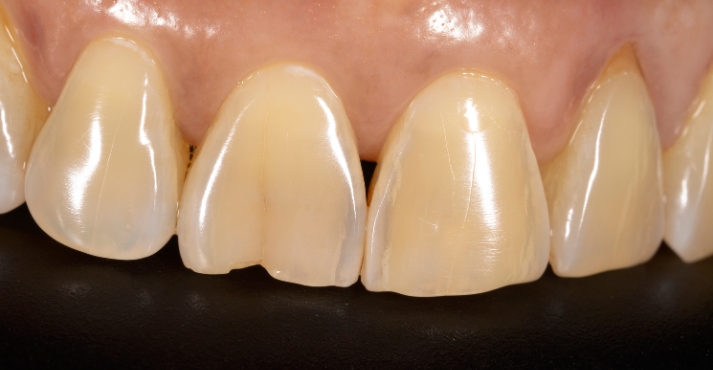
Acidic foods, like citrus fruits, sugary sweets, and carbonated sodas, can contribute to enamel erosion and tooth decay.
The acids weaken the protective enamel layer, making teeth more susceptible to cavities. Regular consumption of acidic foods without proper oral hygiene can compromise dental health.
Here are some critical tips for oral care:
- Brush teeth twice a day
- Use fluoride toothpaste
- Floss daily
- Rinse with mouthwash
- Replace toothbrush every 3-4 months
- Consider a tongue scraper
3. Gastrointestinal Issues
High acidity in the digestive system can lead to conditions like acid reflux and heartburn. Excessive acid production may irritate the esophagus, causing discomfort and potentially leading to digestive issues such as indigestion and gastritis.
Potential gastrointestinal problems may include indigestion, acid reflux, gastritis, and irritable bowel syndrome (IBS). High acidity in the digestive system can cause these issues, causing discomfort, inflammation, and disruption of normal digestive processes.
4. Bone Density and Mineral Loss
Some research suggests that a chronically high dietary acid load may draw calcium, magnesium, and phosphate from the skeleton to neutralize excess acid. Long-term adherence to a balanced, lower-acid diet rich in alkaline-forming vegetables and fruits is associated with better bone mineral density outcomes, particularly in older adults.
Tips for Managing Acidic Food Intake
Eating the right food may work wonders in controlling acid reflux. You must have a balanced diet plan and consume food in moderation, ensuring portion control.
Balanced Diet Suggestions
A balanced diet is a nutritional approach that involves consuming various foods appropriately to meet the body’s needs for essential nutrients.
It includes a mix of carbohydrates, proteins, fats, vitamins, minerals, and adequate hydration. The requirements may vary based on individual factors such as age, gender, activity level, and overall health goals.
Tips on maintaining a balanced diet with reduced acidic foods.
- Include a variety of fruits and vegetables
- Opt for lean proteins
- Choose whole grains
- Limit processed and sugary foods
- Moderate dairy intake
- Drink plenty of water
- Use herbs and spices for flavor
- Consider plant-based alternatives
- Be mindful of portion sizes
For additional practical guidance on building balanced eating patterns, our how to understand and use nutrition facts labels guide and coverage of food labels around the world can help you identify high-acid additives and ingredients in packaged foods before purchase. The gluten-free dietary framework also frequently intersects with low-acid eating, as many gluten-free whole grain choices oats, quinoa, rice carry lower PRAL scores than wheat.
Moderation and Portion Control
Moderation refers to consuming various foods in appropriate amounts to maintain overall health. Portion control involves managing the size of food servings to ensure they align with nutritional needs. It helps prevent overeating and supports weight management.
Here’s how moderation and portion help manage acidic food intake:
- Prevents Acid Reflux: Controlling portion sizes and moderating acidic food intake can reduce the risk of acid reflux.
- Maintains Digestive Health: Moderation helps maintain a balanced pH in the stomach, preventing digestive discomfort.
- Protects Dental Health: Limits the exposure of teeth to acids, reducing the risk of enamel erosion and dental problems.
- Supports Weight Management: Prevents excessive calorie intake, promoting a healthier body weight and reducing the risk of obesity-related issues.
- Balances Nutrient Intake: Inclusion of a variety of nutrients while avoiding excessive consumption of potentially acidic foods.
What Is PRAL and Why Does It Matter?
PRAL stand for Potential Renal Acid Load is the measurement nutritionists and dietitians use to assess how much acid a food actually generates in the body after it’s metabolized. Unlike raw pH, which measures a food’s acidity before digestion, PRAL accounts for how the body processes proteins, phosphorus, sulfur, potassium, calcium, and key minerals from each food.
A positive PRAL score means the food is acid-forming; a negative score means it is alkaline-forming. Most fruits and vegetables carry negative PRAL scores even citrus fruits, which taste and measure acidic but leave an alkalizing residue after digestion. Understanding PRAL is especially relevant in the context of trends in personalized nutrition, where diet recommendations are increasingly tailored to individual metabolic responses.
According to research published in nutritional epidemiology journals, diets with a lower (more negative) overall PRAL score are associated with better achievement of daily nutritional goals compared to high-PRAL diets. For most healthy adults, the kidneys and lungs naturally regulate blood pH but a chronically high dietary acid load can still place extra strain on those systems over time.
| Food | Approx. PRAL Score | Acid or Alkaline Forming? |
|---|---|---|
| Parmesan cheese | +34.2 | Strong acid-forming |
| Beef (lean) | +7.8 | Acid-forming |
| White bread | +3.7 | Mildly acid-forming |
| Eggs | +8.2 | Acid-forming |
| Lentils | -3.5 | Alkaline-forming |
| Spinach | -14.0 | Strong alkaline-forming |
| Bananas | -5.5 | Alkaline-forming |
| Lemon juice | -2.5 | Alkaline-forming (despite low pH!) |
Acidic Foods You Should Avoid Eating (FAQs)
How to flush acid in the body?
Stay well-hydrated to help your kidneys remove acid waste, eat more alkaline-forming foods (vegetables, fruits, nuts), and limit acidic foods like processed meats, sugar, and alcohol. Incorporating foods for digestion and fermented products with live cultures can also help restore gut balance after periods of high acid intake.
Are grapes acidic?
Yes, grapes are considered to be mildly acidic. The acidity in grapes is primarily due to natural acids, such as tartaric and malic acid. The pH level of grapes typically ranges from about 3.3 to 4.5, depending on the grape variety and ripeness.
Is yogurt acidic or basic?
Yogurt is generally considered to be slightly acidic. The pH level of yogurt can vary, but it typically falls within the range of 4 to 4.6.
The acidity in yogurt results from the fermentation process, during which bacteria (typically Lactobacillus bulgaricus and Streptococcus thermophilus) convert lactose (a sugar found in milk) into lactic acid.
Are there any blood tests to measure acidity levels?
Yes. A blood test called an arterial blood gas (ABG) test measures the pH of your blood. It shows whether your body is too acidic (acidosis) or too alkaline (alkalosis).
Are acidic foods bad for teeth?
Yes. Acidic foods and drinks (like citrus, soda, vinegar, and wine) can soften and erode tooth enamel, making teeth more sensitive and prone to cavities. Rinsing with water, limiting frequency, and practicing good oral hygiene helps protect your teeth.
What are the long-term effects of consistently consuming highly acidic foods?
Eating highly acidic foods often may lead to:
- Tooth enamel erosion
- Acid reflux or GERD flare-ups
- Digestive discomfort
- Possible bone and mineral loss over time if the diet is unbalanced
Is It Healthy to Eliminate All Acidic Foods?
Completely cutting out acidic foods isn’t necessary—or healthy. Many acidic foods like tomatoes, citrus, and yogurt contain vital vitamins, antioxidants, and probiotics. The key is moderation and pairing.
For example:
-
Combine acidic foods with alkaline vegetables.
-
Avoid acidic drinks between meals.
-
Maintain proper hydration.
A balanced approach ensures you get the benefits of nutrient-rich acidic foods without the side effects of excess acid intake.
Is Chocolate Acidic?
Yes, chocolate is mildly acidic. The cocoa used to make chocolate has a natural pH of around 5.5 to 6.0. Dark chocolate tends to be slightly more acidic than milk chocolate due to its higher cocoa content. For most people, moderate consumption is not a concern but those with GERD may notice that chocolate triggers symptoms, as it can relax the lower esophageal sphincter. Learn more about cocoa as an ingredient and the acidity differences between cacao powder and cocoa powder.
Is Orange Acidic or Alkaline?
Oranges are acidic, with a pH of approximately 3.0 to 4.0 due to their citric acid content. However, like most citrus fruits, oranges are considered “alkaline-forming” after digestion meaning their metabolic byproducts may actually contribute to a slightly less acidic environment in the body despite their low raw pH. For people with GERD or sensitive stomachs, however, the raw acidity of oranges can still trigger discomfort and should be consumed with caution.
Is Chilli Acidic?
Chilli itself (the pepper) has a pH of roughly 5.0 to 6.0, placing it on the mildly acidic end of the spectrum. More importantly, capsaicin — the compound responsible for heat stimulates the production of stomach acid and can relax the lower esophageal sphincter, which makes chilli a common trigger for heartburn and acid reflux in susceptible individuals. This is a physiological effect rather than a direct pH effect, which is an important distinction.
Is Lactose-Free Milk Acidic?
Lactose-free milk has a pH very close to regular cow’s milk, typically between 6.4 and 6.8 — only mildly acidic and near-neutral. The lactase enzyme added to break down lactose does not significantly alter pH or acid load. It is generally considered a gentler option for acid-sensitive individuals compared to coffee, citrus juice, or carbonated drinks. If you are exploring dairy alternatives more broadly, see our overview of food allergy vs. food intolerance, which includes context on lactose sensitivity and its relationship to digestive discomfort.
Conclusion
Being mindful of your diet is essential for maintaining health, particularly when it comes to acidic foods. While some acidic foods offer nutritional benefits, excessive consumption may lead to various health issues.
Limiting intake of highly acidic foods like citrus fruits, sodas, and certain spicy dishes is recommended. Moderation and balance are key—opt for a diverse range of foods, incorporate alternatives, and pay attention to portion sizes.
Prioritizing oral hygiene, staying hydrated, and considering lower-acid options contribute to well-being. Therefore, you need to manage your diet to promote and minimize the potential adverse effects of acidic foods.
References and Further Reading
- Remer, T. & Manz, F. (1995). Potential renal acid load of foods and its influence on urine pH. Journal of the American Dietetic Association, 95(7), 791–797. https://doi.org/10.1016/S0002-8223(95)00219-7
- Fenton, T.R., & Huang, T. (2016). Systematic review of the association between dietary acid load, alkaline water and cancer. BMJ Open, 6(6). https://doi.org/10.1136/bmjopen-2015-010438
- Schwalfenberg, G.K. (2012). The alkaline diet: Is there evidence that an alkaline pH diet benefits health? Journal of Environmental and Public Health. https://doi.org/10.1155/2012/727630
- Healthline — “Acidic Foods to Limit or Avoid” (Medically Reviewed): https://www.healthline.com/nutrition/acidic-foods
- Academy of Nutrition and Dietetics — Acid-Alkaline Diet Review: https://www.eatright.org
- National Institute of Diabetes and Digestive and Kidney Diseases — GERD: https://www.niddk.nih.gov/health-information/digestive-diseases/acid-reflux-ger-gerd-adults