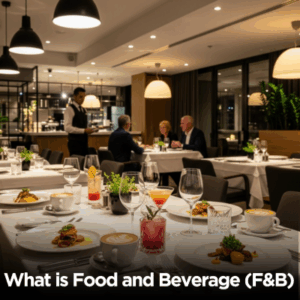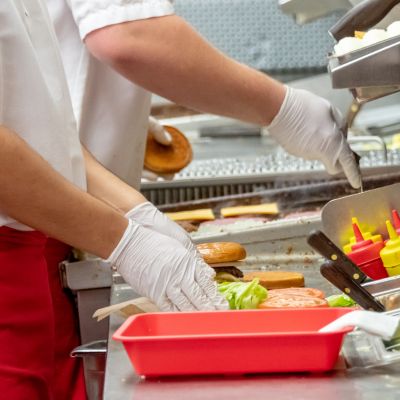
Did you know that the fast food industry in Singapore generates over 1.49 billion SGD annually? This impressive revenue highlights the significant role fast food Singapore plays in the lives of many Singaporeans. The popularity of fast food in Singapore can be attributed to several factors.
With busy lifestyles and the need for quick, affordable meals, fast food restaurants Singapore have become a go-to option for many. The convenience of fast food and the availability of various choices from global, Asian, and local fast food chains Singapore cater to the diverse tastes of the population.
In recent years, there has been an increasing consumer demand for healthier options and greater variety. Many fast food restaurants have responded by introducing more nutritious menu items and special limited-time offers that align with local festivities and preferences.
This adaptability ensures that the singapore fast food industry remains active and continues to grow, meeting the evolving needs of Singaporean consumers.
Fast Food Market Overview
Let us now look at Singapore’s fast food market to help us understand the industry better.
Current Market Size and Growth
The fast food industry in Singapore is a significant segment of the country’s food and beverage sector, with many quick service restaurant chain models driving efficiency.
Despite making up only around 5% of total outlets, fast food restaurants in Singapore contribute approximately 16% of total revenue. This success is driven by the quick service restaurant chain model, which focuses on efficiency, high turnover, and scalable operations.
This high revenue is attributed to the quick-service restaurant model, which emphasizes limited table service and high table turnover, ensuring efficiency and profitability.
The growth of the fast food chains in the Singapore market has been driven by several factors, including busy lifestyles, the convenience of fast food, and its affordability.
The increasing demand for variety and the introduction of healthier fast-food menu options have also contributed to sustained growth.
Despite the challenges posed by the COVID-19 pandemic, the Singapore food chain ecosystem adapted by augmenting online food delivery services and introducing self-ordering kiosks.
Key Players in the Market
Both international and local Singapore chain restaurants dominate the fast food market in Singapore. Here are some of the major players:
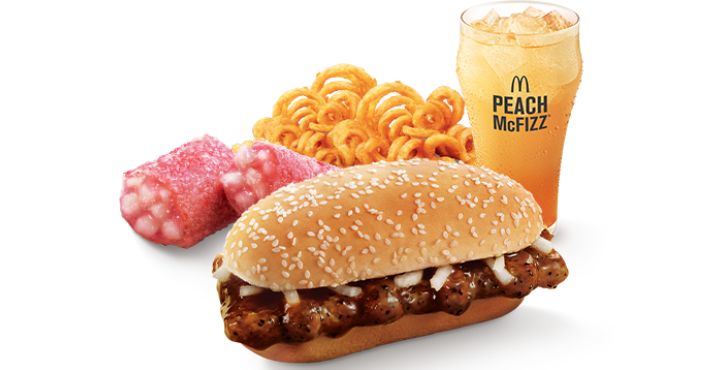
- McDonald’s: A global fast-food giant, McDonald’s has a significant presence in Singapore with over 140 outlets. Known for its wide variety of burgers, fries, and other quick meals, McDonald’s has adapted its menu to local tastes, offering items like the Prosperity Burger during the Lunar New Year. According to Statista, McDonald’s commands an 18% market share in Singapore’s chained foodservice market.
- KFC: Famous for its fried chicken, KFC operates over 70 outlets in Singapore. KFC was one of the early adopters of halal certification, which helped it gain a more extensive customer base. The brand continues to innovate with new menu items and promotions to attract customers.
- Burger King: Entering the Singapore market in 1982, Burger King is known for its flame-grilled burgers. Despite the stiff competition, Burger King has maintained its presence with over 30 outlets in Singapore. The brand holds 2.3% of the Singapore food service market share.
- Jollibee: A popular fast-food chain from the Philippines, Jollibee has gained a loyal following in Singapore. Known for its unique offerings like Jolly Spaghetti and Chickenjoy, Jollibee caters to Filipino expatriates and local customers, making it a space in the fast food industry.
- 4Fingers Crispy Chicken: A local favorite, 4Fingers Crispy Chicken offers a variety of fried chicken options with a distinctive Asian twist. The brand has expanded rapidly, appealing to younger consumers with its trendy menu and marketing strategies.
Other notable mentions include:
- Subway: Known for its customizable sandwiches, Subway appeals to health-conscious consumers looking for a quick and nutritious meal option.
- Pizza Hut: Introduced in 1986, Pizza Hut popularized the concept of pizza delivery in Singapore, focusing on family dining and delivery services.
- Five Guys and Shake Shack: These premium fast-food chains recently entered the Singapore market. They offer high-quality burgers and a unique dining experience, highlighting the diverse and evolving tastes of Singaporean consumers.
The fast food market in Singapore is characterized by a mix of international and local chains that continually adapt to meet consumers’ changing preferences. The market’s growth is sustained by its ability to provide quick, affordable, and diverse food options, making it an integral part of Singapore’s food industry.
Fast Food Industry Value Chain Explained
The fast food industry operates through a well-defined value chain that ensures operational efficiency, scalability, and a consistent customer experience. It begins with raw material suppliers, including farms and food processing companies that provide ingredients such as meat, vegetables, and packaged goods.
Next comes food processing and central kitchens, where ingredients are standardized to maintain consistency across outlets. These are followed by distribution networks, which ensure timely delivery through cold chain logistics.
At the retail level, quick service restaurants (QSRs) handle food preparation, service, and customer interaction. Finally, the value chain ends with end consumers, whose preferences drive innovation and demand.
Understanding this value chain helps businesses optimize operations, reduce costs, and improve service quality.
Fast Food Business Model (QSR Model Explained)
The fast food industry primarily operates on the Quick Service Restaurant (QSR) model, designed for speed, efficiency, and high turnover.
Revenue Streams
- Dine-in sales
- Takeaway orders
- Online delivery
- Franchise fees and royalties
Cost Structure
- High rental costs
- Labor expenses
- Raw materials and supply chain
- Marketing and branding
Scalability
Fast food brands scale through franchising, allowing rapid expansion with lower capital investment. Standardized menus, automated processes, and strong branding make this model highly profitable.
Consumer Behavior and Preferences

Moving on, we will now look at different factors, including consumer behavior and preferences, and how they shape Singapore’s fast food business.
Demographics
Fast food in Singapore appeals to a broad demographic, encompassing various age groups, income levels, and lifestyles. Understanding these demographics helps explain the industry’s widespread popularity and growth.
- Age: Fast food is trendy among younger consumers, including teenagers and adults. This age group appreciates fast food’s convenience, affordability, and trendy appeal. They often seek quick meals that fit their busy schedules, whether during school lunch breaks or late-night outings with friends. Older adults and families also frequent fast food restaurants in Singapore, attracted by the familiar brands and kid-friendly menus.
- Income Level: Fast food appeals to a wide range of income levels. For middle-income families, it offers an affordable dining option. High-income individuals may opt for premium fast-food chains like Five Guys and Shake Shack, which provide a higher-end experience. Lower-income consumers also find fast food accessible due to its low prices and frequent promotions.
- Lifestyle: Singapore’s fast-paced lifestyle makes fast food convenient for many. Busy professionals, students, and families appreciate the quick service and accessibility of fast food restaurants, which are strategically located in shopping malls, near schools, and business districts.
Popular Fast Food Items
Singaporeans have a diverse palate, reflected in their fast food preferences. Fast food chains in Singapore often incorporate local flavors into their menus, creating unique and popular items.
- Chicken Rice Burgers: This item combines the flavors of Singapore’s famous chicken rice with a burger format and is a hit among locals. It typically features chicken patties, rice buns, and a savory sauce, capturing the essence of a beloved local dish.
- Nasi Lemak Burgers: Another fusion item that has gained popularity is the Nasi Lemak Inspired by the traditional Malay dish, this burger includes ingredients like coconut rice patties, fried chicken, egg, and sambal chili, offering a burst of familiar flavors in a convenient form.
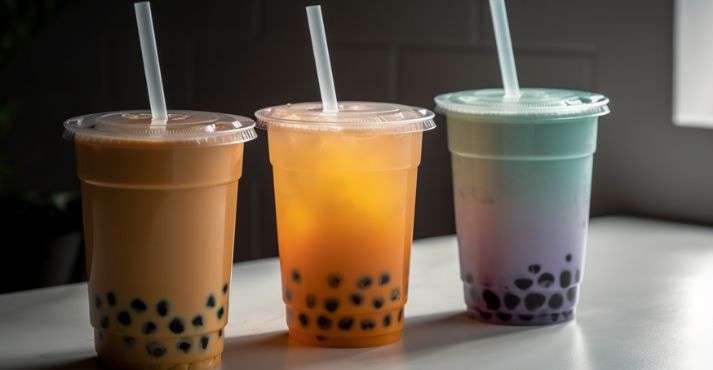
- Bubble Tea: While not a traditional fast food item, bubble tea has become an integral part of the fast food experience in Singapore. Many fast-food restaurants in Singapore offer this sweet, customizable beverage, which includes tea, milk, and chewy tapioca pearls, catering to the local craze for this drink.
Other popular items include:
- Burgers and Fries: American fast food in Singapore, like classic fast food staples like burgers and fries, remain highly popular among all age groups.
- Fried Chicken: Chains like KFC and local favorite 4Fingers Crispy Chicken continue to attract customers with their crispy, flavorful fried chicken.
- Pizza: Pizza Hut and other pizza chains offer a variety of toppings and crust options that appeal to both traditional and adventurous eaters.
Dining Habits
Singaporeans’ dining habits reflect their need for convenience and variety, influencing their preferences for dine-in, takeaway, and delivery services.
- Dine-In: Despite the convenience of fast food restaurants in Singapore, many Singaporeans still enjoy dining in. Fast food restaurants are often designed to be family-friendly, offering comfortable seating and a pleasant atmosphere. This makes them a popular choice for families and groups of friends who want to enjoy a quick meal together.
- Takeaway: Takeaway remains popular, especially for busy professionals and students. They highly value the ability to grab a quick meal and continue with their day without the need to sit down for a long meal. Many fast food outlets have aligned their takeaway services to cater to this demand.
- Delivery Services: The rise of online food delivery platforms has transformed the fast food landscape in Singapore. According to our blog on the online food delivery market, there has been a significant increase in the use of delivery services, especially during the COVID-19 pandemic. Consumers appreciate the convenience of having their favorite fast food delivered directly to their doorsteps. This trend will continue as delivery services become more efficient and widespread.
Diverse demographics, a love for fusion food items, and a demand for convenience shape consumer behavior and preferences in Singapore’s fast food market. Understanding these factors helps fast food chains tailor their offerings and services to meet customers’ needs, ensuring continued growth and popularity.
Trends in the Fast Food Industry

With changing times, we see new trends emerge in the fast food industry and overall, as well as in the food and beverage sector.
Health and Wellness Trends
In recent years, the fast food industry has significantly shifted towards offering healthier fast food options. This trend is driven by increasing consumer awareness about health and wellness and a demand for more nutritious food choices.
- Subway: Known for its customizable sandwiches, Subway has positioned itself as a healthier fast food option. With an emphasis on fresh ingredients and the ability to choose low-calorie options, Subway caters to health-conscious consumers. Their menu includes vegetables, lean meats, and whole-grain bread, allowing customers to build sandwiches to meet their dietary needs.
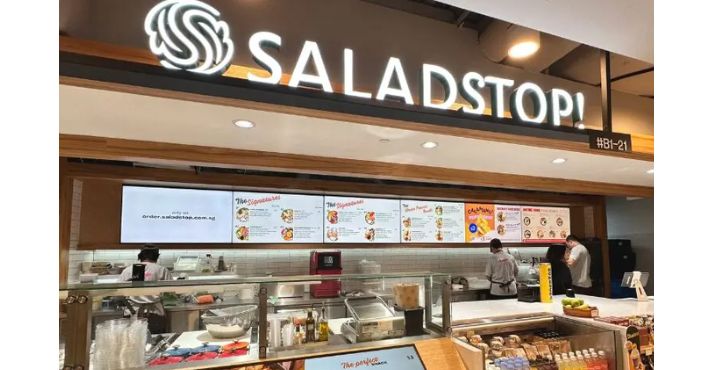
- SaladStop!: Another notable player in the health trend is SaladStop!, which offers a range of customizable salads and wraps. Customers can choose from various fresh ingredients, including greens, proteins, and dressings, to create meals that align with their health goals. SaladStop! Promotes itself as a place where people can eat well and feel good, reflecting the growing trend towards healthier eating.
- McDonald’s and KFC: Traditional fast food giants like McDonald’s and KFC have adapted to this trend by introducing healthier menu items. McDonald’s offers salads, fruit slices, and grilled chicken options, while KFC has introduced grilled chicken and salads to provide healthier alternatives to their fried offerings.
Technological Advancements
Technology has profoundly impacted the fast food industry, increasing customer convenience and efficiency of food service operations. Here are some notable technological advancements:
- Self-Service Kiosks: Many fast food chains in Singapore, including McDonald’s and KFC, have implemented self-service kiosks in their outlets. These kiosks allow customers to place orders quickly and customize their meals without waiting in line. The kiosks also help reduce labor costs and improve order accuracy.
- Mobile Ordering Apps: Mobile ordering has revolutionized how consumers interact with fast food restaurants. McDonald’s, for example, has developed a mobile app that allows customers to place orders, pay, and choose between dine-in, takeaway, or delivery options. This convenience has been a game-changer, especially during the COVID-19 pandemic, as it minimizes physical contact and speeds up the ordering process.
- Contactless Payments: The adoption of contactless payment methods has increased significantly. Fast food chains in Singapore have adopted technologies like Apple Pay, Google Wallet, and other mobile payment systems to provide their customers with a smooth and safe transaction experience.
- Delivery Services: The integration of online delivery platforms such as GrabFood and Foodpanda with fast food chains has expanded their reach. Customers can now order their favorite meals from the comfort of their homes, increasing convenience and accessibility.
Sustainability Initiatives
Sustainability has become a critical focus in the fast-food industry as consumers and businesses become more environmentally conscious. Fast food chains are implementing various strategies for reducing their carbon footprint and environmental impact.
- Eco-Friendly Packaging: Brands like Shake Shack have made significant strides in using sustainable packaging. They have introduced compostable straws, cups, and cutlery made from renewable resources, reducing plastic waste. Their commitment to eco-friendly packaging sets an example for other fast food chains.
- Reducing Food Waste: Efforts to minimize food waste are also gaining traction. Pizza Hut, for example, has implemented practices to reduce food waste, such as better inventory management and donating surplus food to local charities. These initiatives help ensure that less food is in landfills, contributing to a more sustainable food system.
- Sourcing Sustainable Ingredients: Many fast food chains now focus on responsibly sourcing ingredients. This includes using sustainably farmed produce, free-range meats, and seafood certified by sustainable fisheries. By prioritizing sustainable sourcing, these chains help support environmentally friendly farming practices and reduce their overall impact on the planet.
- Energy Efficiency: Fast food restaurants also invest in energy-efficient technologies to reduce their carbon footprint. This includes using energy-efficient kitchen equipment, optimizing lighting systems, and implementing recycling programs within their outlets.
By adopting these trends, the fast food industry improves its offerings and contributes to a healthier, more sustainable future. As consumers continue to seek convenient, nutritious, and eco-friendly dining options, fast food chains in Singapore will need to innovate and adapt to stay ahead.
Challenges Faced by the Fast Food Industry
As part of our analysis of the fast food industry in Singapore, we will now explore the different challenges faced by the industry here and how they are impacting the overall fast food scene.
Health Concerns
One of the most significant challenges the fast food industry faces is the health concerns associated with fast food consumption.
Fast food is often criticized for being high in calories, fats, sugars, and sodium, which can contribute to obesity, diabetes, and heart disease. These health issues have increased scrutiny from health advocates and regulatory bodies.
Regulatory measures have been implemented to promote healthier eating habits in response to these concerns. For instance, the Singapore government has introduced initiatives like the Healthier Dining Programme, encouraging food establishments to offer healthier options.
Additionally, fast food chains must display nutritional information on their menus, helping consumers make informed choices. These efforts aim to address the negative health impacts associated with fast food consumption and encourage a shift towards healthier eating practices.
Competition
The fast food industry in Singapore faces intense competition from various fronts. Apart from rival fast food chains, they compete with alternative dining options such as food delivery services and local hawker centers.
- Other Fast Food Chains: Major international and local fast food brands constantly compete for market share by innovating their menus, introducing new promotions, and augmenting customer experiences. Brands like McDonald’s, KFC, and Burger King continuously battle to attract and retain customers with unique offerings and competitive pricing.
- Food Delivery Services: The rise of online food delivery platforms such as GrabFood, Foodpanda, and Deliveroo has added another layer of competition. These platforms offer a wide range of dining options, from gourmet meals to local favorites, providing consumers with more choices. The convenience of having food delivered directly to one’s doorstep has made these services immensely popular, impacting the foot traffic to fast food outlets.
- Hawker Centers: Singapore’s hawker centers, known for their affordable and diverse food options, are a significant competitor to fast food chains in the food business in Singapore. These centers offer a variety of local dishes at lower prices, attracting a large portion of the population who prefer traditional and budget-friendly meals.
Economic Factors
Economic factors such as rising costs and changing consumer spending patterns also challenge the fast food industry.
- Rising Costs: The cost of ingredients, labor, and rent in Singapore has increased Fast food chains must balance maintaining affordable prices while managing these rising costs. This often leads to operational challenges and the need to optimize efficiency to sustain profitability.
- Changing Consumer Spending Patterns: Consumers in Singapore are becoming more discerning and value-conscious. They are increasingly looking for value-for-money meals and are willing to explore alternative dining options that offer better quality or unique experiences. This shift in consumer behavior requires fast food chains to innovate and adapt continuously to meet evolving preferences.
Opportunities for Growth

We will now also explore the opportunities available for different fast food chains in Singapore for availing. These opportunities can be utilized to help these fast food competitors grow and expand their Singapore market share further.
Market Expansion
The fast food industry in Singapore has numerous opportunities for market expansion, both within the country and in other Southeast Asian nations.
- Within Singapore, There is potential to open new outlets in underserved areas, particularly in the suburban regions and near new residential developments. Fast food chains can also explore setting up smaller express outlets in locations like train stations and business districts to cater to the busy urban population. Additionally, expanding the range of services offered, such as drive-thrus and 24-hour operations, can attract more customers.
- In Southeast Asia, Singaporean fast food brands have the opportunity to expand into neighboring Southeast Asian countries, leveraging the growing middle class and increasing urbanization in these regions. Countries like Malaysia, Indonesia, and Thailand have similar consumer demographics and dining preferences, making them attractive markets for expansion. Singaporean fast food chains can tap into these burgeoning markets by adapting their menus to local tastes and establishing a solid brand presence.
Innovative Products
Introducing innovative products that cater to local tastes and global trends can drive growth in the fast food market.
- Fusion Cuisine: There is a growing demand for fusion cuisine that combines traditional local flavors with modern fast food formats. Items like chicken rice burgers and nasi lemak burgers have already proven successful. Fast food chains can continue experimenting with fusion dishes to attract customers seeking unique and familiar flavors.
- Plant-Based Alternatives: The trend towards plant-based diets is gaining momentum worldwide, including in Singapore. Fast food chains can introduce plant-based alternatives, such as vegan burgers, plant-based nuggets, and dairy-free desserts. Brands like Burger King have already introduced plant-based Whoppers, and more such innovations can cater to the health-conscious and environmentally aware consumers.
- Healthier Options: Offering healthier menu items, such as salads, wraps, and grilled options, can attract a broader customer base. Collaborating with nutritionists to develop balanced meals that are both delicious and nutritious can set a fast food brand apart from its competitors.
Strategic Partnerships
Strategic partnerships can provide significant growth opportunities for fast-food chains.
- Local Businesses: Partnering with local businesses can enhance brand visibility and community engagement. For example, collaborating with local bakeries for fresh buns or using locally sourced produce can appeal to consumers who value supporting homegrown businesses.
- Delivery Platforms: Collaborations with online food delivery platforms such as GrabFood, Foodpanda, and Deliveroo can expand a fast food chain’s reach. These partnerships can include exclusive deals, promotional discounts, and integration of the fast food chain’s menu on the delivery platform.
- Marketing Collaborations: Joint marketing campaigns with popular local brands or influencers can boost a fast food chain’s. For instance, McDonald’s Singapore has successfully collaborated with local celebrities and brands to launch special menu items and limited-time promotions, generating buzz and attracting more customers.
Future Outlook: What’s Next for Singapore’s Fast Food Scene (2025–2030)
The next five years will redefine Singapore’s fast-food experience. Brands are shifting focus toward sustainability, automation, and healthier dining options. Expect to see AI-powered ordering systems, eco-friendly packaging, and an increasing use of plant-based proteins across menus.
Moreover, data-driven personalization will allow restaurants to tailor promotions and menu recommendations based on individual preferences, enhancing convenience and customer satisfaction. As Singapore advances its Smart Nation vision, fast-food operators will integrate smart kitchens and digital loyalty programs to stay competitive.
The future of Singapore’s fast-food sector lies in its ability to combine speed, sustainability, and smart technology — setting new standards for the global quick-service industry.
Pricing Strategies and Profit Margins in the Fast Food Industry
Fast food brands in Singapore use a mix of value-based pricing, bundle pricing, and psychological pricing strategies to attract customers across income segments.
Value meals and combo deals are designed to increase average order value while maintaining perceived affordability. Premium chains like gourmet burger brands adopt premium pricing strategies, targeting higher-income consumers seeking quality over price.
Profit margins in the fast food industry typically range between 10% to 25%, depending on operational efficiency, location costs, and supply chain management. High rental costs in Singapore often pressure margins, making upselling, cost control, and operational automation essential for profitability.
Additionally, dynamic pricing strategies during peak hours and delivery platforms further optimize revenue streams.
Comparison Table: Global vs. Local Fast Food Chains in Singapore
| Brand Type | Examples | Market Presence | Key Differentiator |
|---|---|---|---|
| Global Chains | McDonald’s, KFC, Burger King, Subway | 200+ outlets nationwide | Consistency, global branding, tech integration |
| Local Brands | 4Fingers, Stuff’d, Old Chang Kee, Tenderfresh | 150+ outlets | Unique local flavors, affordability, and community engagement |
| Emerging Brands | Wolf Burgers, Fatburger Singapore | 50+ outlets | Gourmet appeal, fusion concepts, premium positioning |
| Halal-Certified Leaders | McDonald’s, KFC, Tenderfresh | Island-wide | Inclusivity, trust, and compliance with halal standards |
SWOT Analysis of Singapore’s Fast Food Industry
A SWOT analysis provides a structured understanding of the industry’s strengths, weaknesses, opportunities, and threats.
Strengths
- Strong brand recognition of global chains
- High demand due to busy lifestyles
- Efficient operations and scalability
Weaknesses
- Health concerns associated with fast food
- High operational and rental costs
- Dependence on standardized menus
Opportunities
- Growth in plant-based and healthy options
- Expansion into digital and delivery ecosystems
- Increasing demand for fusion cuisine
Threats
- Intense competition from hawker centers
- Rising ingredient and labor costs
- Changing consumer preferences toward healthier eating
This analysis helps businesses identify strategic areas for growth and risk mitigation.
Impact of Food Delivery Platforms on Fast Food Growth
Food delivery platforms have revolutionized the fast food industry in Singapore, significantly increasing accessibility and revenue potential.
Platforms like GrabFood, Foodpanda, and Deliveroo enable fast food brands to reach customers beyond physical store locations. This has led to the rise of cloud kitchens and delivery-only outlets, reducing overhead costs and increasing operational efficiency.
Delivery platforms also provide valuable data insights, allowing brands to understand customer preferences and optimize menus accordingly. However, high commission fees can impact profit margins, making it essential for businesses to balance platform reliance with direct ordering channels.
Overall, delivery ecosystems have become a critical growth driver in Singapore’s fast food market.
Case Study: How Fast Food Brands Succeed in Singapore
Successful fast food brands in Singapore share common strategies that drive growth and market dominance.
For example, global chains achieve success through menu localization, offering items tailored to local tastes such as rice-based burgers and spicy flavors. They also invest heavily in technology and automation in restaurants, improving efficiency and customer experience.
Local brands, on the other hand, differentiate themselves through unique flavors, cultural relevance, and affordability. Their ability to connect with local consumers gives them a competitive edge.
Both global and local brands leverage strong branding, digital presence, and strategic partnerships to sustain growth in a highly competitive market.
Analysis of the Fast Food Industry in Singapore (FAQs)
What is the biggest fast-food chain in Singapore?
The biggest fast-food chain in Singapore is McDonald’s, with over 140 outlets across the island. Known for its wide variety of burgers, fries, and local special items, McDonald’s commands a significant market presence and caters to a diverse customer base.
How big is the food industry in Singapore?
The food industry in Singapore is a billion-dollar sector, incorporating a wide range of dining options from hawker centers to high-end restaurants. The fast food segment alone contributes significantly, generating over 1.49 billion SGD annually and comprising about 16% of the total food service operating revenue.
What is McDonald’s market share in Singapore?
McDonald’s holds 18% of Singapore’s chain food service market, highlighting its dominance and popularity among fast food consumers nationwide.
What are the current trends shaping Singapore’s fast food industry?
Healthier menu options, sustainability practices, and digital ordering are driving Singapore’s fast food industry growth in 2025.
How has technology transformed fast food in Singapore?
Self-service kiosks, AI-based ordering apps, and contactless delivery have improved convenience and operational efficiency.
Which are the most popular fast food chains in Singapore?
McDonald’s, KFC, Burger King, Subway, and 4Fingers are among the top fast food brands dominating the Singapore market.
What is the future of the fast food industry in Singapore?
The industry is expected to grow steadily through innovation, plant-based menu expansion, and sustainability initiatives by 2030.
Conclusion
The fast food industry in Singapore has evolved significantly since its inception in the 1970s, becoming a crucial part of the country’s food scene. Despite facing health concerns, intense competition, and economic pressures, the industry thrives by adapting to consumer preferences and leveraging technological advancements.
Growth opportunities remain abundant, mainly through market expansion, innovative product offerings, and strategic partnerships. As the industry progresses, fast food chains that stay adjusted to the demands for convenience, variety, and healthier options are prepared to succeed.