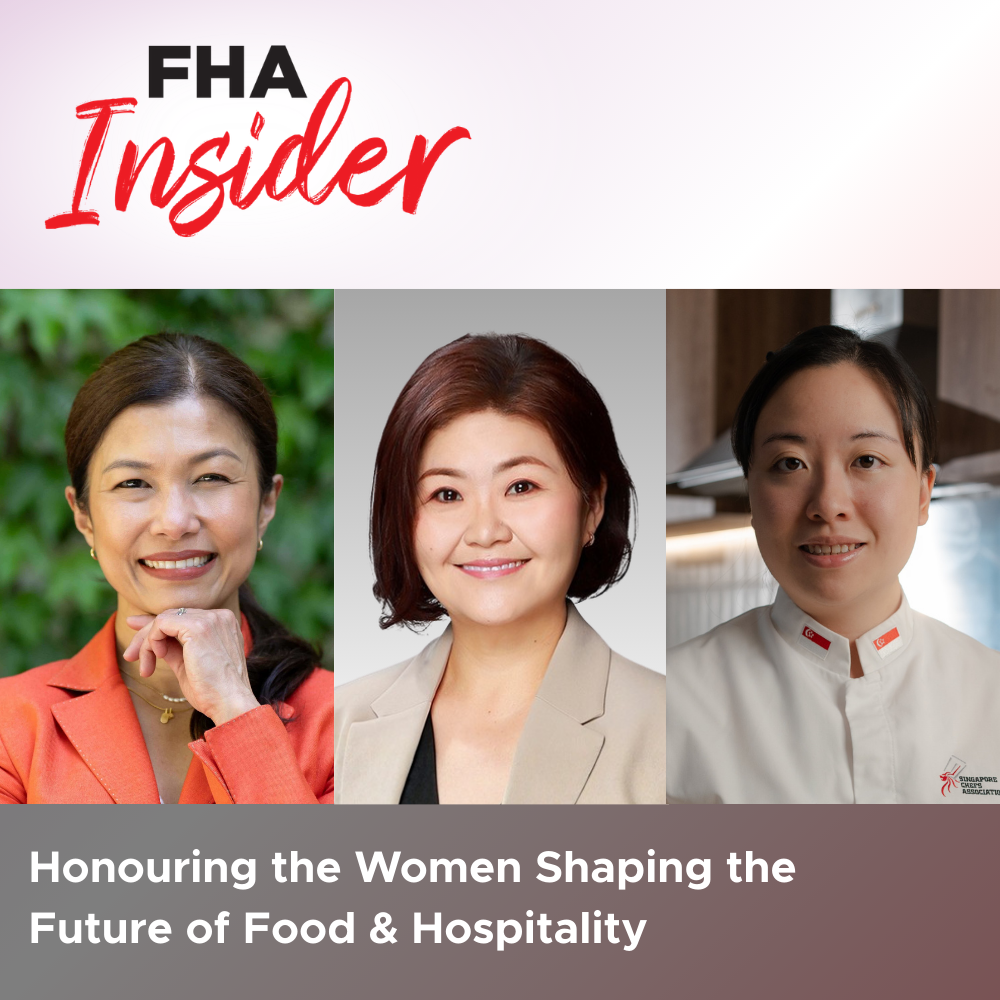
This International Women’s Day, FHA 2026 spotlights three women who are shaping the food and hospitality industry from different corners of the ecosystem. From global culinary storytelling and sustainable tourism advocacy, to mentoring national culinary talent and steering established F&B enterprises, their journeys reflect courage, conviction and craft.
Together, they represent the evolving face of leadership in food, one rooted in heritage, driven by innovation, and strengthened by community.
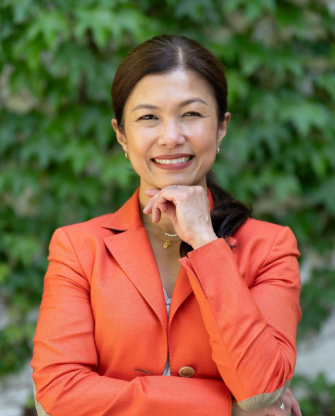
Audra Morrice
Chef & Consultant
From telecommunications executive to MasterChef Australia finalist, and later a judge on MasterChef Asia and resident judge on MasterChef Singapore, Audra Morrice’s career has been shaped by bold choices and cultural conviction. Today, as a culinary producer and advocate for sustainable gastronomic tourism, she uses food as a powerful bridge between Australia and Southeast Asia, preserving heritage, championing communities, and redefining how cuisine connects the world.
"Lesson #1: Never live in regret"
1. Your career trajectory from telecommunications to a celebrated MasterChef judge and culinary producer for your own TV series is truly inspiring. What prompted your 'leap of faith' from the corporate world to the culinary industry?
I eventually found myself in telecommunications and learned a great deal along the way. I had bosses who supported me and others who didn’t, but every experience taught me valuable lessons. When MasterChef Australia started in 2008, I watched it religiously for three years and realised it might be an opportunity to explore whether food was something I could pursue for the rest of my life. Despite giving up a well-paying career, I didn’t want to regret not giving it a go. Lesson #1: Never live in regret. That has been my mantra ever since.
Over the past 14 years, I cooked for thousands of people, both private and corporate, many of whom invited me to cook and speak. It was important to share the stories behind the dishes, to share my culture with my guests. I wanted people to understand that Singapore cuisine was so much more than Chilli Crab and Orchard Road. I wanted to tap into both my Chinese Foochow culture with lineage to Sarawak, Malaysia, as well as my South Indian heritage from Chennai and Pondicherry. I worked hard and learnt a lot, always aiming to dazzle and delight guests through my cooking. The intense silence followed by a symphony of “aaaaahhhh” after diving into dishes at the dining table brought me a bout of healthy anxiety and great joy. But I was also open to new ideas and new ways in which I could expand my brand, share my knowledge and educate people through food.
In 2021, I was invited to be the Sustainable Gastronomic Tourism Ambassador for PATA. This was a new challenge: to share knowledge and bring change by shifting the focus to what was truly important and creating more sustainable paths for the future. 3 years of pro-bono speaking in the tourism space about looking at food differently in tourism – introducing Food Tourism to preserve our heritage and culture, and a means to create a more sustainable and better environment/future for local producers. I introduced the idea of creating a sustainable ecosystem around food, tourism, and communities. The result was being engaged by the Sarawak Tourism Board to create a solution to help them feature Sarawak in a way that would pique the interest of international travellers to immerse themselves in local culture and experiences, all using food as a gateway. This is Eat Roam Relish: Sarawak Malaysia, which now airs on SBSFood (free-to-air TV) in Australia, Asian Food Network across Asia, Corus in Canada, Canal+ and Ananey across Eastern Europe and the Middle East.
Today, everything I do revolves around the preservation of culture through cuisine. When you peel the layers off, ultimately, at the crux of it are people and communities. Our job is to create those special connections between people and communities of different countries, to nurture acceptance, respect and understanding of differences, and to travel more responsibly.
2. As an advocate for the preservation of cultural cuisine and a producer of heritage-focused content like Eat, Roam, and Relish, how do you perceive the balance between modern F&B innovation and the need to protect traditional culinary stories?
We must make huge efforts in preserving our culture and its stories. That is what makes us so unique. We are only who we are, if not for the people who came before us. That link must be maintained and preserved. However, I also believe there is equally a huge market for innovation. I once challenged students at the Temasek Culinary Institute in Singapore to master the Western syllabus but also dig deep into their cultural cuisine. Imagine the magic they can produce having mastered both? There must be room for both, but I also challenge modern chefs to continue to innovate, while keeping the essence of their culture intact. Cook with heart and meaning. Otherwise, you are just a trend that will come and go if there is nothing to ground you. Food is incredibly emotional; it invokes feelings of nostalgia, happiness, sadness, excitement, and triggers memories.
Our responsibility as chefs is to give our guests an experience they will remember and continuously want to return and relive the moment over and over again. This is what creates the longevity of a business. Many of our culinary schools are based on a European system and only have a small adaptation to the local culture. This in itself places more importance on Western cuisine. I’d like to challenge this to see a more balanced approach. Once again, it will be what makes culinary students more well-rounded, provide options as to where their strengths and interests lie, and allow them an opportunity to be our future cultural ambassadors.
3. As a culinary ambassador who bridges the gap between Australia and Southeast Asia, how do you view the role of FHA in fostering cross-border collaboration and helping brands translate their "local" stories into "global" successes?
FHA is a powerful platform to foster partnerships and collaborations. It has built up global recognition for being one of the biggest and most influential events in the world that brings together any and every part of the food cycle, from equipment manufacturers to local ingredients. Like me, we speak both languages. By that I mean, we are familiar with local and regional knowledge and sensibilities, we understand what makes Damian D’Silva’s heritage cuisine or Ji Xiang’s Ang Ku Kueh so desirable, so that we want future generations to know about it and to be able to taste it. We want international equipment vendors to realise that these guys are the ones who need to be supported, and their legacy continued by establishing strong, long-term relations with them and cross-promoting. We also want everyone to recognise and understand the importance of supporting premium Australian produce that is grown in the best climate and the most responsible manner, thereby allowing distributors to make more educated choices.
I see myself as a matchmaker, connecting people and establishing relationships for them to both flourish. Honestly, there should be more match-makers like me who truly want this industry to be a thriving success. It is crucial in its success year on year that FHA also encourages and supports those who are doing it the responsible and right way. This industry is a beautiful community, and I love the fact that collectively, chefs and industry folks come together to support one another. We truly can’t survive on our own.
3. As a culinary ambassador who bridges the gap between Australia and Southeast Asia, how do you view the role of FHA in fostering cross-border collaboration and helping brands translate their "local" stories into "global" successes?
Sing and dance to your own tune. Be flexible but never at the expense of your vision and integrity, and never feel the need to conform. If you don’t believe in the method, change it. If you believe in your village, support them and know that they will support you. We women, are emotional beings. Own it. Learn to channel our emotions in the most positive way to create the most incredible products, dishes, or customer experiences. Finally, be prepared to work harder. Trust me when I say the results will be so much sweeter.
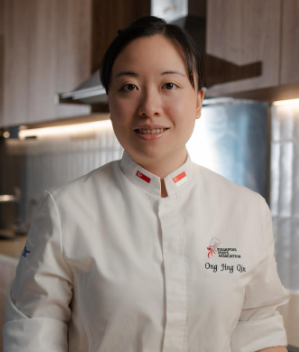
Ong Jing Qin
Veteran Chefs & Women Communities, Singapore Chefs’ Association
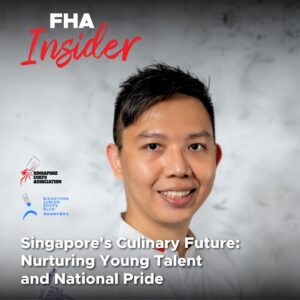
Fresh from leading the Singapore National Team to gold at the FHA 2025 National Team Challenge, Chef Ong Jing Qin continues to shape the culinary community through leadership and mentorship. As head of the Veteran and Women’s Community under the Singapore Chefs’ Association, she champions inclusivity while nurturing the next generation of chefs.
"Mentorship is a two-way street — we give our experience, but we gain new perspectives"
1. Reflecting on your team’s 2025 National Team Challenge win, what was the 'secret ingredient' in your leadership that clinched the gold?
If I had to name one secret ingredient, it would be teamwork. Every member of the Singapore National Team gave their all — not just in skill, but in heart. My role as a leader was to bring those strengths together, to build trust, and to make sure everyone felt supported.
Winning gold at the Food & Hotel Asia 2025 National Team Challenge wasn’t about any one person. It was the result of months of hard work, late nights, and shared belief in what we could achieve as a team. We are also extremely fortunate to have strong, unwavering support from the Singapore Chefs’ Association, Singapore Pastry Alliance and Singapore Junior Chefs Club. Their guidance and encouragement kept us grounded and motivated throughout the journey.
Even though we all came from different walks of life, it was our shared passion for the craft that united us and made this journey unforgettable.
2. In your role on the Executive Committee (ExCo) of the Singapore Chefs’ Association (SCA) leading the Veteran and Women’s Community, how do the inspiring stories of today’s young female chefs foster a more inclusive and vibrant future for the culinary scene?
What inspires me most about today’s young chefs — regardless of gender — is their courage to break boundaries and redefine what success looks like in our industry. Their stories — of perseverance, creativity, and self-discovery — remind us that the kitchen is a place for everyone, regardless of gender or background.
We aim to create platforms where these voices can be heard and supported. Inclusivity, to me, goes beyond representation — it’s about ensuring every chef expresses their unique perspective through food. When we open doors for all talents to grow, we nurture a more dynamic, connected, and forward-looking culinary culture.
3. In the spirit of this year’s IWD theme "Give To Gain," how does mentoring the next generation of chefs help veteran chefs stay inspired and relevant?
Mentorship is a two-way street — we give our experience, but we gain new perspectives. Working with younger chefs constantly challenges me to stay adaptable, open to new trends, and rooted in curiosity.
Their enthusiasm reminds us why we first fell in love with cooking — that spark of discovery, that joy of creating something meaningful with our hands. The exchange keeps both mentor and mentee evolving together. To me, it’s not just about passing the torch; it’s about keeping the flame alive through shared passion and continuous learning.
4. In an industry that is still working toward gender parity, how do culinary competitions like those at FHA provide a platform for women to showcase technical skills and advance their careers?
Competitions like FHA are invaluable platforms that celebrate the people behind our industry. In competitions, what truly matters are skill, precision, and creativity. These stages allow chefs to test their abilities under pressure and gain recognition through their performance — opportunities that often extend beyond traditional kitchens.
For many chefs, these competitions are a stepping stone — a chance to discover their potential, gain confidence, and build connections that go far beyond the competition floor. When audiences and judges witness chefs competing, innovating, and executing the dishes at the highest level, it helps pave the way for more inclusive opportunities. What makes competitions meaningful is that they recognize merit, discipline, and innovation.
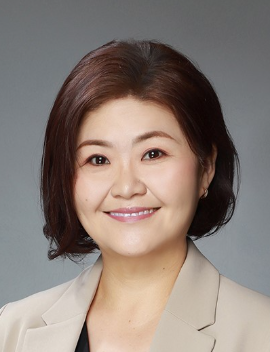
Novelle Lim
CEO, Thong Siek Global Pte Ltd
As a second-generation leader of the iconic DoDo brand, Novelle Lim is guiding the family business into its next chapter of global growth. Following DoDo’s integration into the Neo Group family, she has helped steer the company through a period of transformation, upgrading facilities with advanced automation while expanding its international presence. Balancing heritage with innovation, Novelle represents a new generation of leaders shaping the future of established food brands.
“Remain authentic and steadfast in your values, even when faced with expectations to conform.”
1. What has been your biggest career achievement?
To date, I have not yet reached my ultimate goal. Nevertheless, a significant milestone in my career has been supporting our Group CEO in guiding DoDo through a period of rapid transformation following its integration into the Neo Group family. During this time, we successfully upgraded our facilities with advanced automation and expanded our international presence while upholding our core values. This achievement involved developing a resilient team, encouraging innovation, and adapting to diverse markets. Gaining global recognition for our brand and knowing we continue to preserve our family’s legacy has been profoundly rewarding.
2. As a second-generation leader, how do you balance preserving your family’s heritage roots with the innovation required to scale DoDo into a global household name?
Finding the balance between my family’s heritage and the drive for innovation has been both rewarding and demanding. I believe it starts with a profound respect for our origins – the values, traditions, and craftsmanship that define DoDo’s character. At the same time, I motivate my team to welcome change, test new ideas, and remain flexible in adapting to global trends. By encouraging open conversations across our team and inviting diverse viewpoints, we can honour our traditions while evolving to meet the needs of a worldwide audience. Today, we still use the same formulation for our fish balls, using only the best ingredients, guided by a philosophy to produce only safe products that we would confidently give to our own children. In the end, our heritage serves as a compass, directing our innovations and ensuring every advancement stays true to our identity.
3. Reflecting on the leaders who inspired your path, what is the one "golden rule" you would share with young women just beginning their careers in this industry?
The one “golden rule” I would share is to remain authentic and steadfast in your values, even when faced with challenges or expectations to conform. Trust in your own voice and perspective, as these are your greatest assets. By staying true to yourself while remaining open to learning from others, you will not only carve a unique path but also inspire those around you to do the same.
4. As an exhibitor at FHA, what specific opportunities are you looking to capitalise on, and how do you envision your participation contributing to your brand’s growth within this market?
As an exhibitor at FHA, I am eager to connect with industry leaders, explore emerging trends, and showcase the unique qualities of DoDo to a wider audience. This platform provides a valuable opportunity to build strategic partnerships and gain insights into consumer preferences within the market. By participating, I hope to strengthen our brand’s presence, foster collaborations, and ultimately drive growth as we continue to innovate and expand internationally.
As we celebrate the achievements of these remarkable women, we hope their stories inspire you to embrace innovation and drive positive change in your own businesses. We look forward to seeing the impact of these inspiring figures at FHA 2026.