Key Takeaways
- A limited-time menu allows restaurants to test new dishes, flavours and dining concepts before committing to permanent changes.
- Clear objectives help operators determine whether they are testing customer demand, pricing, premium ingredients, healthier options or a new service format.
- Sales should be reviewed alongside customer feedback, preparation times, food costs, waste, staff workload and ingredient availability.
- Examples across Singapore, Malaysia and Thailand show how temporary menus can support seasonal campaigns, local flavour development and brand experimentation.
- With Southeast Asia’s food service market projected to reach US$416.37 billion by 2030, structured menu trials can help restaurants respond to growth and competition with lower operational risk.
Introduction
Innovation is essential for restaurants seeking to remain competitive as diners look for new flavours, seasonal ingredients and distinctive experiences. Yet launching new dishes or concepts requires investment in ingredients, staff training, menu development and kitchen operations, without any guarantee of demand. Limited-time menus offer a lower-risk way to test ideas before making them permanent. Restaurants can monitor sales, gather customer feedback and refine execution while limiting operational exposure. Across Southeast Asia, where food trends evolve quickly and regional influences shape preferences, this approach helps operators respond to changing demand, validate concepts and innovate with greater commercial confidence and agility.
Why Limited-Time Menus Have Become a Strategic Tool
A limited-time menu is a collection of food or beverage items offered for a defined period before being revised, removed, or considered for permanent inclusion.
Industry data indicates that this has become a mainstream menu-development strategy. Datassential tracked 4,428 new menu items and limited-time offers launched by leading restaurant chains and convenience retailers in 2025. Technomic also reports that 52% of consumers consider the availability of limited-time offers important when choosing a restaurant.
How Limited-Time Menus Create Long-Term Business Value
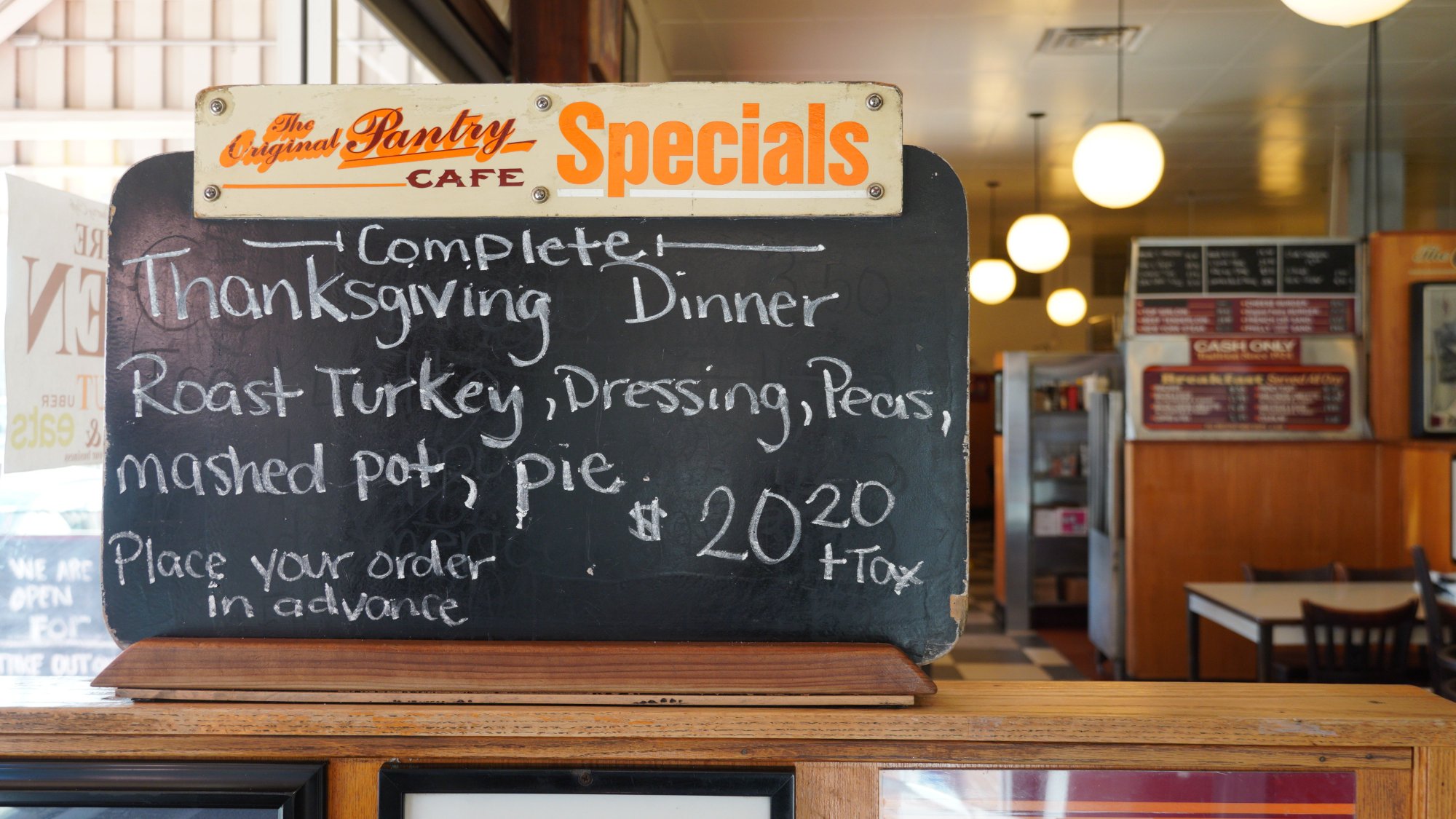
A successful limited-time menu generates excitement for more than a few weeks. When planned carefully, it becomes a structured way to gather information that supports future business decisions:
Understanding Customer Preferences
The most reliable way to evaluate a new concept is through actual customer behaviour. Restaurants can monitor which dishes receive repeat orders, identify the flavour profiles guests respond to, and observe how different price points influence purchasing decisions.
Improving Operational Readiness
Testing new dishes also allows kitchen and front-of-house teams to identify operational challenges before a wider rollout. This matters because food and non-alcoholic beverage costs represented a median of 32.0% of sales at full-service restaurants and 32.4% at limited-service restaurants in 2024. The National Restaurant Association also notes that operators are simplifying menus to control costs and improve efficiency, prioritising dishes that sell well, are quick to prepare and use ingredients that are readily available.
Building Stronger Marketing Momentum
Limited-time menus create urgency by giving diners a defined window to try seasonal dishes, festive offerings or chef collaborations. Industry data supports their ability to prompt action: 63% of consumers said their most recent limited-time purchase was made on impulse, while 42% chose an unfamiliar item simply because they wanted to try something new. Their use is also widespread, with major restaurant chains and convenience retailers launching 4,428 new menu items and limited-time offers in 2025. Across Southeast Asia, restaurants can apply this strategy to assess demand, generate visibility and evaluate whether a concept merits further development.
What the Numbers Say

Southeast Asia’s food service market is projected to reach US$416.37 billion by 2030 (QSR Media Asia), highlighting the scale of growth and competition expected across the region. As food innovation trends evolve, limited-time launches also help operators respond more quickly and use real outlet performance to decide which ideas should be refined, expanded or discontinued.
How Restaurants Across Southeast Asia Are Putting This Into Practice
Culinary operators across Southeast Asia are leveraging agile limited-run menus to pressure-test novel flavour profiles, operational formats, and price elasticity prior to scaling permanent menu architecture integration:
Singapore
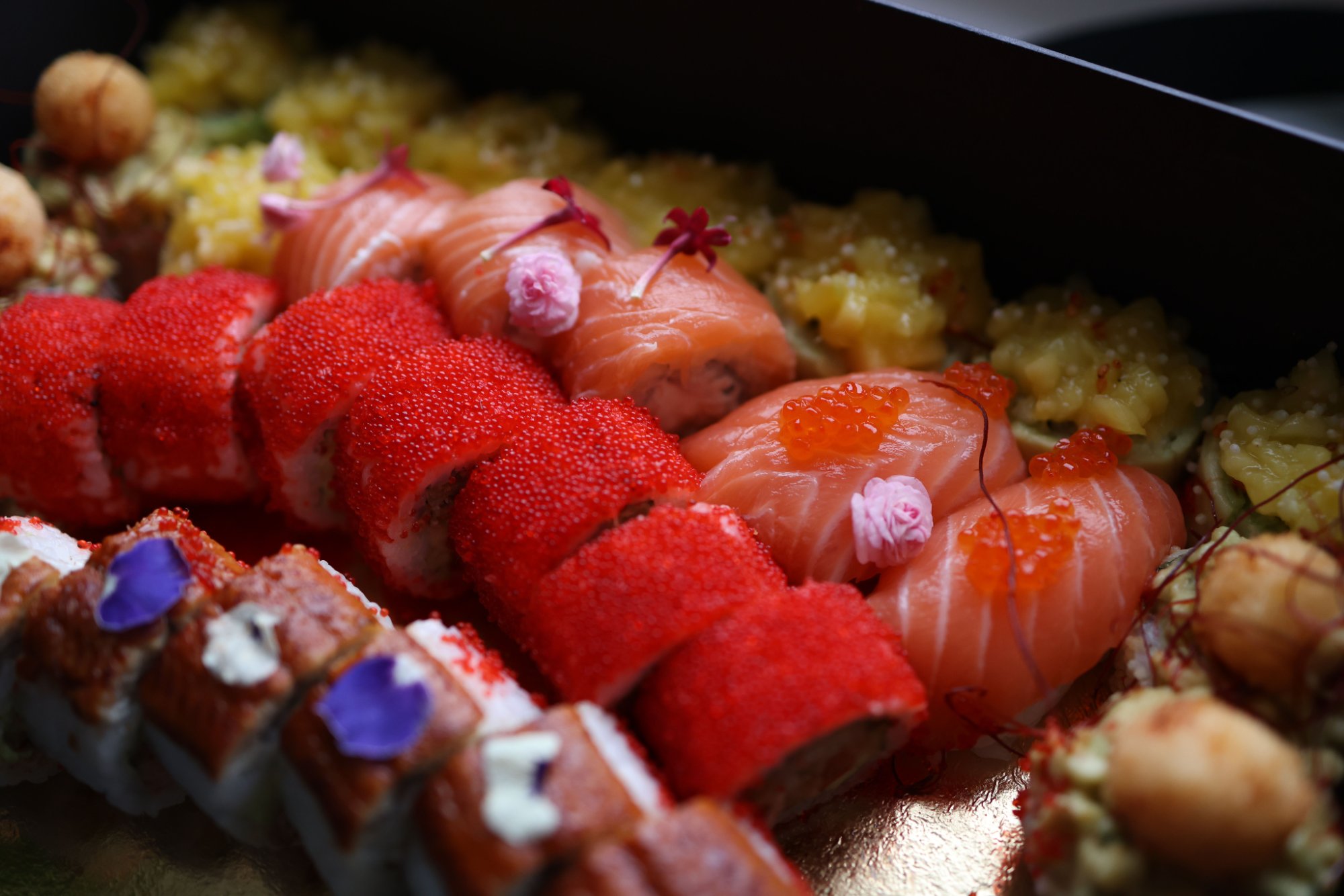
In Singapore, SUSHISAMBA has created a National Day edition of its Copacabana Brunch featuring roasted whole chicken with Hainanese rice, Crab Leg Seviche, SAMBA Rojak and desserts such as Sago Gula Melaka Trifle. It has also introduced a five-course National Day lunch and exclusive cocktails, including the Lion City Fizz and Straits Spice Negroni. This campaign allows the restaurant to explore how Singaporean flavours could fit within its Brazilian-Japanese-Peruvian identity without changing its core concept.
Malaysia
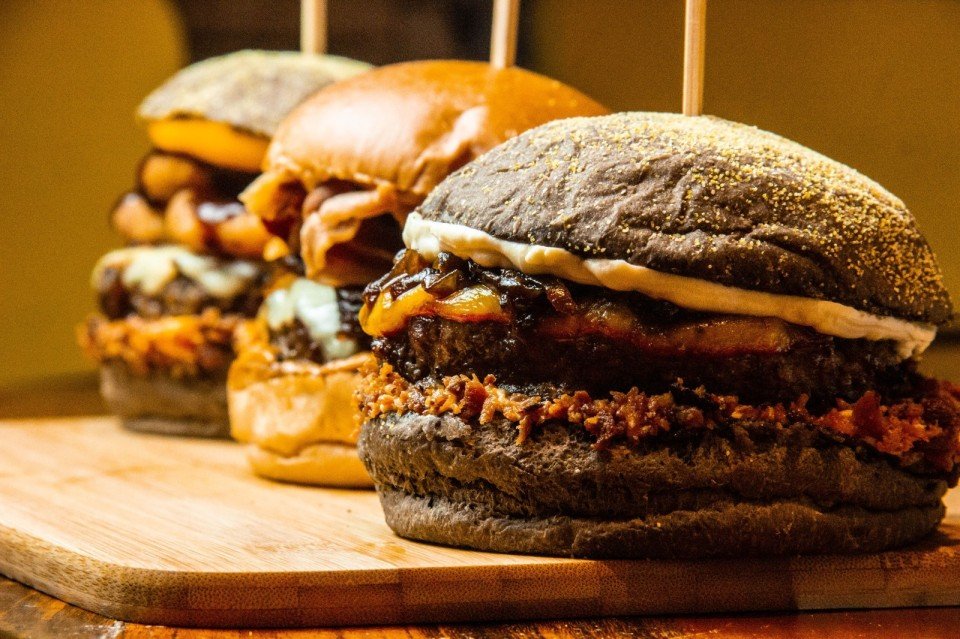
In Malaysia, Shake Shack has launched a limited-edition steakhouse menu across its outlets, featuring a Steakhouse Burger with white cheddar, portobello mushrooms and horseradish peppercorn mayonnaise, alongside Steakhouse Fries and a Tiramisu Shake. The campaign also includes a collaboration with Malaysian batik label bATIKTEKTURA, giving the brand a way to test both new menu items and partnership-led marketing.
Thailand
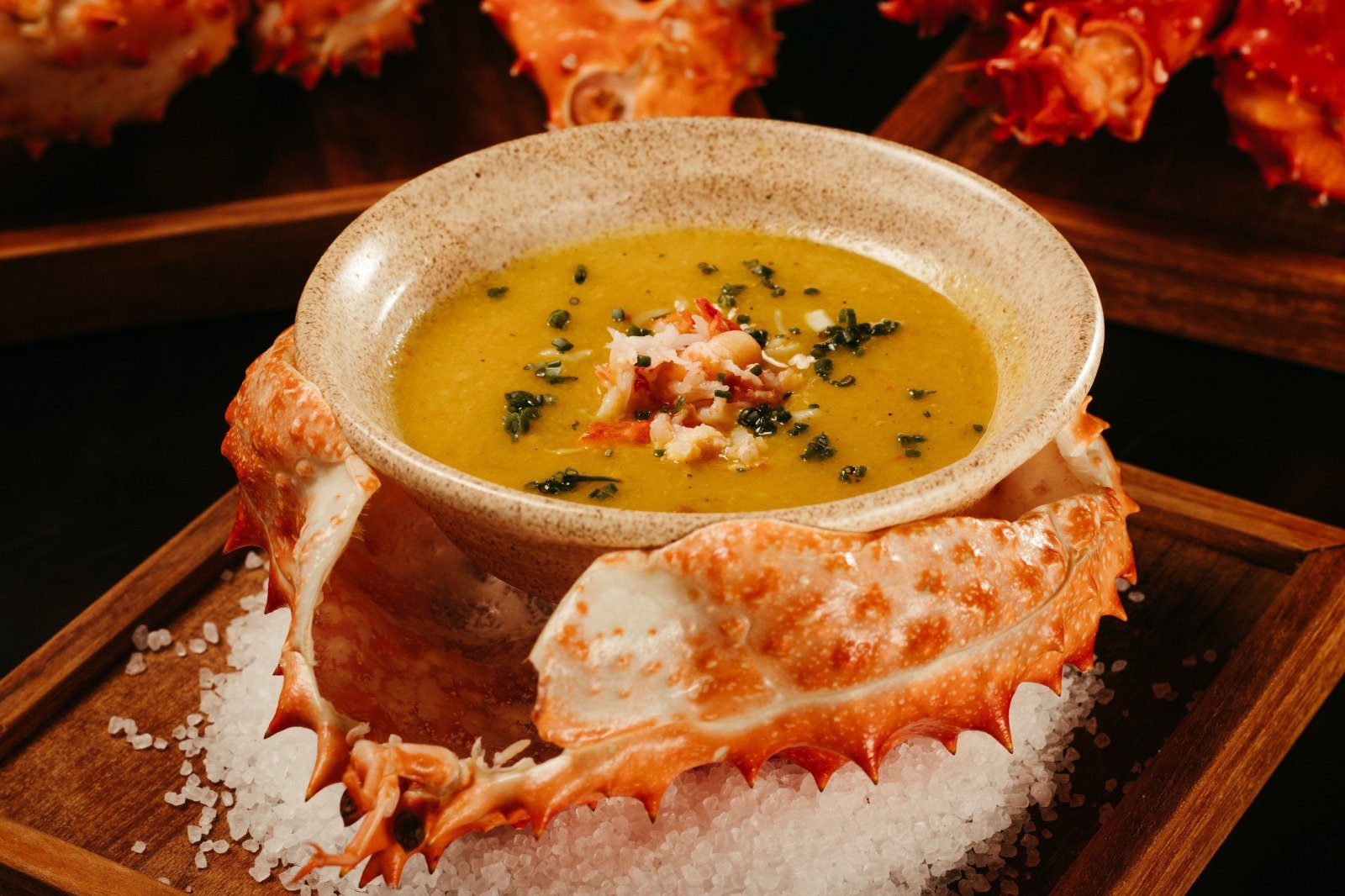
In Thailand, Bangkok’78 at Sindhorn Midtown Hotel has introduced “Journey To The North Of Thailand”, a limited-time menu inspired by Lanna cuisine. The menu includes a Khantoke set, field crab bisque with sticky rice, Northern Thai-style minced pork salad and Hung lay pork belly curry, together with three signature drinks. Running the concept for a defined period allows the restaurant to evaluate interest in a more regional dining experience before deciding whether similar dishes should return.
Turning Limited-Time Menus Into Long-Term Success
Define a Clear Commercial Objective
Every campaign should begin with a specific commercial question because early sales may reflect novelty rather than lasting demand. Datassential found that 63% of consumers bought their most recent limited-time offer on impulse, while 42% selected an unfamiliar item simply because they wanted to try something new. Restaurants should therefore define success in advance and track whether interest continues through repeat orders, sustained sales, or stronger average spending.
Measure Customer, Operational and Financial Performance
Sales should be reviewed alongside repeat orders, customer feedback, preparation times, staff observations, food costs, waste, and ingredient usage. These operational measures are significant because food and non-alcoholic beverages accounted for a median of 32.0% of sales at full-service restaurants and 32.4% at limited-service restaurants in 2024.
From what we observe at Food & Hospitality Asia, a popular dish may still be commercially unsuitable if it requires excessive preparation, creates service delays, or depends on costly and inconsistent ingredients. Reviewing demand and contribution margin together gives operators a more complete view of viability.
Refining Concepts & Strengthen Supplier Support Before Scaling
Successful menu trials rarely roll out as initially designed as they serve as a launchpad for optimisation. By leveraging frameworks like Cornell’s menu-engineering matrix (evaluating dishes via sales volume and contribution margin), operators can pinpoint whether to scale, adjust, or retire specific recipes, portions, or prep methods. Often, an isolated technique, ingredient, or beverage yields far greater long-term value than the full promotional menu.
Key to this agility is early, strategic collaboration with suppliers. Sourcing flexibility directly dictates menu innovation: among operators expanding globally influenced dishes, 54% cite improved ingredient access as a key driver, while 53% point to rising consumer demand. Aligning with vendors early clarifies lead times, substitute options, and volume minimums, allowing operators to capitalise on broader F&B industry trends while keeping costs, quality, and waste firmly under control.
Conclusion
Limited-time menus offer restaurants a low-risk, practical framework to test customer interest, operational feasibility, and profit potential before committing to a permanent rollout. By trialing regional flavours, seasonal ingredients, or new concepts under live service conditions, operators gain the real-world clarity needed to optimize recipes, sourcing, and pricing prior to a full-scale launch.
To discover the ingredients, equipment, and industry partnerships that bring these menu innovations to life, join us at Food & Hospitality Asia (FHA) 2027. Visit us from 20 to 23 April 2027 at Singapore Expo to connect with leading suppliers, explore emerging F&B trends, and turn your next culinary concept into a commercial success.
Frequently Asked Questions
How long should a limited-time menu run?
The ideal duration depends on your goal. Seasonal promotions often run for a few weeks, while concept testing may take a month or more to gather reliable data. The key is keeping the campaign active long enough to measure true demand without losing the urgency and exclusivity that drives initial visits.
Should every successful limited-time menu become a permanent offering?
No. A dish’s promotional success is often fueled by novelty or seasonal appeal, which may not translate into year-round profitability or operational efficiency. Operators must evaluate ongoing prep times, food costs, and supply chain stability before granting a permanent menu spot.
How can suppliers support restaurants during limited-time menu campaigns?
Suppliers support campaigns by offering flexible order volumes, consistent ingredient quality, and dependable deliveries that prevent stockouts or excess waste. Beyond logistics, they can introduce novel seasonal products and offer technical culinary guidance to help refine concepts prior to a wider rollout.
Data Sources
| Source | URL |
|---|---|
| Datassential | By The Numbers: Datassential’s 2025 Year in Review |
| Axios, citing Technomic | Restaurant Menus on Limited Time Offers |
| Datassential | How Restaurants are Raising Prices |
| National Restaurant Association | Restaurant Economic Insights 2024 |
| National Restaurant Association | Restaurants Streamline Menus to Combat Higher Costs |
| QSR Media Asia | Southeast Asia Foodservice Market Reach |
| SUSHISAMBA | National Day Copacabana Brunch |
| Robb Report Singapore | National Day Dining |
| The Malaysian Reserve | Shake Shack Serves Up Steakhouse Menu Batik Collaboration |
| Sindhorn Midtown Hotel Bangkok | Bangkok 78’s Journey to the North of Thailand |
| eCornell | Hospitality & Foodservice Management Revenue Management |
| Food & Hospitality Asia | https://www.foodnhotelasia.com/ |