Key Takeaways
- Airport food service trends across Southeast Asia are increasingly shaped by changing passenger expectations, terminal development and airport commercial strategies.
- Strong F&B concepts balance speed and convenience with food quality, affordability, local relevance and a clear sense of place.
- Airports are tailoring dining formats to different passenger profiles, dwell times, terminal locations and travel occasions.
- Food-service technology can help operators reduce queues, improve order fulfilment, manage stock more effectively and respond to flight-related demand peaks.
- Successful airport concepts need menus, equipment, staffing and service models that can perform consistently despite fluctuating passenger traffic and operational disruption.
Across Southeast Asia, airport dining is becoming a more important part of both the passenger experience and the commercial strategy of major terminals. Growing passenger traffic, changing traveller expectations, airport redevelopment and greater use of digital technology are encouraging airports and F&B operators to reconsider what passengers eat, where they eat it and how quickly they can be served.
Airport food service covers restaurants, cafés, food courts, lounges, beverage counters, takeaway kiosks and grab-and-go stores throughout airport terminals. These businesses serve passengers, visitors and airport employees, often across longer operating hours and less predictable demand patterns than conventional dining venues.
The operating environment is also more complex. Ingredients, equipment and deliveries may need to pass through controlled areas, storage and kitchen space can be limited and sudden changes in flight schedules can create sharp increases or decreases in demand.
For airport operators and food businesses, the challenge is therefore not simply to offer more dining choice. F&B concepts need to work commercially within the terminal by balancing speed, capacity, product quality, menu design, local relevance and operational efficiency. These priorities reflect wider F&B industry trends, but airports intensify them because passenger behaviour is closely tied to flight schedules, security processes and dwell time.
Airport Food Service Trends Shaping Traveller Expectations
Travellers increasingly expect airport dining to offer both convenience and a worthwhile experience. Airport Dimensions found that 15% of travellers wanted to allocate more of their discretionary airport spending to better dining, while 79% considered the F&B offering more important than lounge entry price.
Dining can also shape wider perceptions of the terminal. A 2024 Future Places Lab study found that more than 60% of Millennial and Gen Z travellers associate airport quality with its dining offer. This reinforces F&B’s role as part of the overall passenger experience, not simply a supporting amenity.
Airports are responding with a broader mix of local cuisine, international brands, speciality coffee, premium concepts and options for different dietary needs. The commercial objective is to offer enough variety to serve passengers with different budgets, preferences and dwell times without creating unnecessary operational complexity.
Speed is equally important. SITA found that 64% of passengers wanted shorter airport queues, while IATA reported that 71% booked travel online or through mobile applications. Mobile ordering, contactless payments, and clearer digital information can help airport F&B operators serve more passengers during short peaks while reducing friction for travellers with limited time before boarding.
Food may also need to travel beyond the restaurant itself. Passengers frequently eat at gates, in lounges, or while moving through the terminal, increasing the importance of portable packaging, temperature retention, allergen information, and dietary options such as halal, vegetarian, and plant-based meals.
The commercial opportunity is significant. ACI World reported that non-aeronautical activities, including dining and retail, accounted for 36.7% of airport revenue globally in 2023 and 43% in Asia-Pacific. Airport dining therefore contributes not only to passenger satisfaction but also to the terminal’s wider commercial performance.
Case Studies: How Airports Across Southeast Asia Are Responding
Singapore: Turning Changi Airport Into a Dining Destination
Changi Airport curates its dining mix around passenger profiles, terminal locations and travel occasions. According to The Straits Times’ feature on how Singapore turned its airport into a dining destination, Changi Airport Group considers factors such as passenger demographics, affordability, seating, menu design and movement through the terminal when working with food operators.
This approach creates different dining experiences across the airport. International coffee and restaurant brands provide familiarity, while Singaporean concepts let travellers experience local food culture without leaving the terminal.
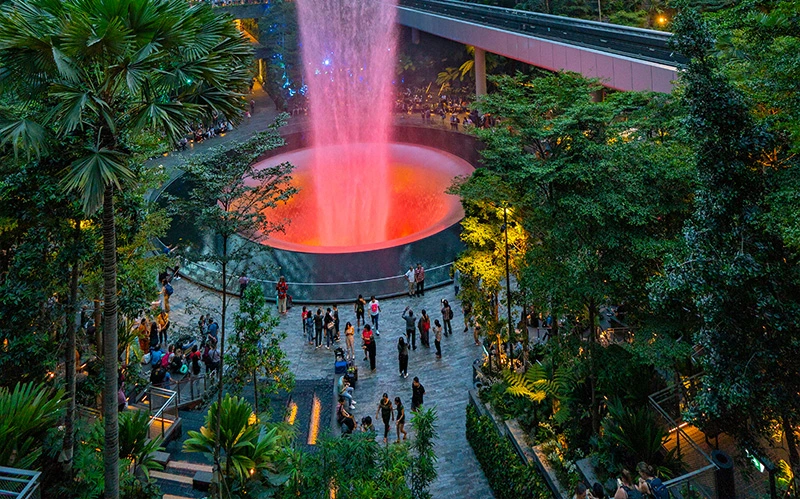
Changi’s current dining directory lists more than 220 options across its terminals and Jewel, ranging from cafés and quick-service outlets to full-service restaurants. Terminal 2’s transit area alone has more than 25 F&B outlets.
Singapore Food Street in Terminal 3 further combines hawker dishes such as chicken rice, bak kut teh and minced pork noodles with international and Muslim-friendly options. It operates 24 hours to accommodate passengers travelling across different time zones.
Malaysia: Balancing Local Variety, Value and Convenience at KLIA
Kuala Lumpur International Airport uses its dining mix to serve passengers with different budgets, preferences and reasons for travelling. Malaysian and Southeast Asian dishes provide a sense of place, while familiar international concepts offer predictability for passengers with limited time or who prefer recognisable options.
This balance has a commercial purpose. International visitors can encounter Malaysian food without leaving the airport; domestic travellers can access familiar meals, and value-focused options can help capture demand from passengers who may otherwise avoid airport dining because of price concerns.
Malaysia Airports has also used initiatives such as the KUL Bites dining rewards programme at KLIA Terminal 2 to encourage passenger engagement. Promotions and rewards can give travellers another reason to explore terminal dining while helping participating operators increase engagement and encourage incremental spend during the airport journey.
For airport F&B businesses, the lesson is that outlet variety works best when it corresponds to identifiable passenger needs. Local relevance, recognised brands, different price points and convenience formats can work together to broaden the number of travellers willing to dine in the terminal.
Philippines: Expanding Dining Choice and Local Identity at NAIA Terminal 3
NAIA Terminal 3 provides a current example of F&B becoming part of a wider airport transformation.
In October 2025, New NAIA Infra Corp. opened a new Mezzanine Food Hall as part of its programme to improve passenger facilities. The dining area brings together local and international restaurant and café concepts, increasing the range of options available to passengers. A second major development, the Tambayan All-Filipino Food Hall, spans 6,200 square metres, can accommodate up to 2,000 guests and features 17 homegrown brands showcasing regional Filipino flavours.
The airport has also developed an airside Food Village in Terminal 3, extending dining choice into the pre-departure area. Together, these formats give passengers options at different points in their airport journey rather than concentrating F&B in a single part of the terminal.
Commercially, the approach addresses several objectives at once. Greater dining capacity can help accommodate passenger volumes, while a mix of familiar and homegrown concepts serves different budgets and preferences. The All-Filipino Food Hall also gives the airport a stronger sense of place by letting arriving and departing travellers experience regional cuisine within the terminal.
For operators, NAIA shows how airport F&B can support a broader passenger-experience strategy. Dining becomes part of how travellers experience the terminal and destination, rather than simply somewhere to buy food before a flight.
Using Food-Service Technology to Improve Airport Dining
Food-service technology is most valuable in airports when it solves a specific operational problem. Operators often face sharp demand peaks, limited preparation time and passengers who need to understand their options quickly.
Mobile Ordering Can Improve Throughput
Mobile ordering lets passengers place orders before reaching the counter, helping outlets process more transactions during peak departure periods. For travellers with short dwell times or connections, it can also reduce uncertainty around how long ordering will take.
Digital Menu Boards Can Make Decisions Faster
Digital menu boards can make pricing, preparation times, allergens and dietary information easier to identify. Content can also be updated quickly when an item sells out or when operators need to promote alternatives, reducing confusion at the counter.
Kitchen Systems Can Improve Fulfilment and Consistency
Kitchen display and order-management systems can help teams prioritise orders, coordinate preparation and reduce missed or incorrectly prepared items during busy periods. In an airport environment, where travellers may have limited time before boarding, more reliable fulfilment directly affects the passenger experience.
Inventory Systems Can Reduce Stock-Outs and Waste
Integrated inventory tools can give operators better visibility over ingredient usage and remaining stock. This can help prevent popular items from selling out during passenger peaks while reducing over-ordering of perishable ingredients.
Forecasting Can Help Operators Prepare for Demand Peaks
Airport demand does not follow the same patterns as a conventional high-street restaurant. Passenger volumes can change with flight schedules, airline movements, seasonal travel, and disruptions.
Forecasting tools that combine historical sales with relevant passenger or operational data can help businesses plan production, staffing and inventory more accurately. The commercial objective is to have sufficient capacity when demand rises without creating unnecessary food waste or labour cost during quieter periods.

How Food Businesses Can Prepare for the Future of Airport Dining
Design Around Different Traveller Journeys and Dwell Times
Not every airport customer has the same amount of time. Some passengers may have several hours before departure, while others rush from security to the gate or move between connecting flights.
Operators should define which journeys their concept is designed to serve. Grab-and-go counters, cafés, food halls and full-service restaurants each address different combinations of speed, price, comfort and dwell time.
Build Menus for Speed, Consistency and Portability
Airport menus need to perform during sudden peaks without sacrificing food quality. A focused menu can reduce preparation complexity while making stock management and staff training easier.
Operators should consider preparation time, ingredient overlap, holding quality, portability and how well products perform after leaving the counter. These factors matter most when passengers may eat at the gate or carry food onto their next journey.
Use Technology to Manage Demand and Peak Periods
Technology should support the operational model rather than be introduced in isolation. Mobile ordering can reduce counter pressure, kitchen systems can improve fulfilment and forecasting tools can help teams prepare for anticipated passenger surges.
The right solution depends on the biggest constraint, whether that is ordering, production, staffing, stock availability, or service speed.
Prepare for Flight Disruptions and Sudden Traffic Changes
Flight delays, cancellations and gate changes can rapidly alter passenger behaviour. A delayed departure may suddenly increase dwell time and F&B demand, while a cancelled or diverted flight can reduce anticipated traffic.
Flexible staffing, cross-trained teams, adaptable production plans and accurate stock visibility can help operators respond. Businesses should also consider how suppliers, equipment providers and technology partners can support continuity when conditions change unexpectedly.
These operational requirements extend beyond airport restaurants and form part of a wider travel catering ecosystem, where food quality, speed, safety, technology and passenger experience must work together across complex travel environments.
NEW AT FHA 2027: Travel Catering
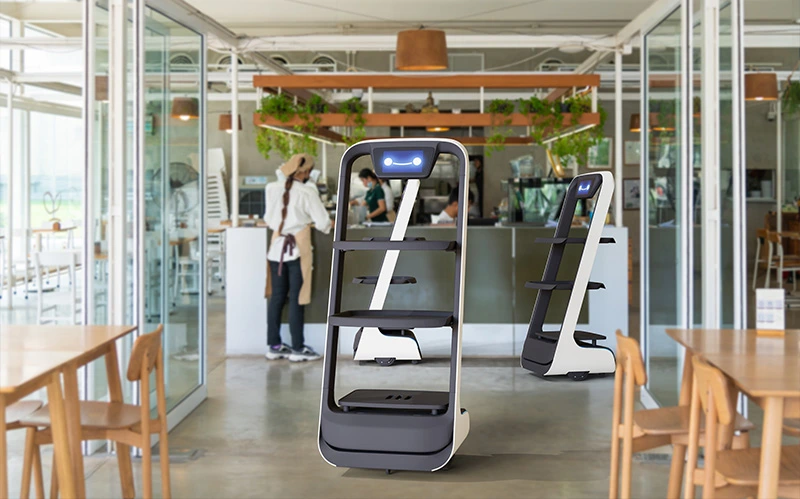
As traveller expectations evolve, opportunities are growing across the wider travel catering ecosystem, from airport and inflight food service to foodservice technology, equipment, packaging and operational solutions.
Travel Catering is a new segment at Food & Hospitality Asia 2027, bringing together solutions and industry players supporting food and beverage experiences across the travel sector.
Whether you are an airport F&B operator, caterer, foodservice professional, hospitality buyer or supplier, FHA 2027 provides an opportunity to explore new solutions, connect with industry partners and stay ahead of developments shaping the future of travel catering.
Explore the FHA 2027 Travel Catering segment to see what the new segment will offer, and register your interest to receive the latest updates and be notified when visitor registration opens.
Frequently Asked Questions
What challenges do airport restaurants face that traditional restaurants do not?
Airport food outlets face stricter security, complex deliveries, longer operating hours, and fluctuating passenger traffic. They must also adapt quickly to flight disruptions while maintaining consistent service.
How do airports choose which restaurants to include?
Airports usually select a mix of local concepts, international brands, quick-service outlets, and full-service restaurants based on passenger profiles, terminal location, and commercial strategy.
Why is local cuisine important in airport dining?
Local cuisine helps airports showcase the destination’s food culture and create a stronger sense of place. It also gives local food businesses exposure to domestic and international travellers.