Key Takeaways
- Consumer trends in snacking across Asia are increasingly shaped by taste, texture, health, and local identity, not convenience alone.
- Flavour remains a major purchase driver, with local flavour innovation helping brands combine familiar tastes with new formats and regional influences.
- Texture innovation gives manufacturers another way to differentiate snacks through crunch, chewiness, coatings, fillings, and layered eating experiences.
- Healthy snacking is moving towards positive nutrition, with growing interest in protein, fibre, vitamins, and nutrient-dense ingredients.
- For brands exploring food innovation trends, the strongest opportunities often combine sensory appeal, nutrition, cultural relevance, and scalable production.
Snacking in Asia is becoming more frequent, but consumers are also becoming more selective. Innova Market Insights found that 49% of Asian consumers are snacking more often, while their choices increasingly balance enjoyment, nutrition, convenience, and novelty.
For manufacturers, brands, distributors, and retailers, these snacking trends point to four connected priorities. Taste still needs to lead. Texture can make a familiar product feel different. Health needs to offer meaningful value. Local identity can give products a stronger reason to stand out.
Taste Still Leads, but Familiarity Is Evolving
Health may be gaining attention, but enjoyment remains fundamental. NielsenIQ found that 34% of APAC consumers rank taste and enjoyment as the most important consideration when choosing a snack.
What is changing is how brands create that appeal. Local flavour innovation increasingly combines recognisable culinary cues with new formats or influences from elsewhere in Asia. Kerry’s 2026 Taste Charts, for example, highlight yuzu kosho, matcha, pandan, and osmanthus among flavours gaining traction across different Asia-Pacific categories.
Cross-border inspiration can also refresh familiar snack formats. PepsiCo introduced Red Rock Deli in India in November 2025 with flavours including Basil Thai Sweet Chilli, Olive & Greek Salad, and Cheese & Korean Buldak. The range combines globally inspired flavours with familiar chip formats.
Southeast Asia offers another example of how local eating habits can shape snack innovation. In Vietnam, Orion Food Vina launched Snack Xốt Chấm – Toonies & Tayo in 2025, pairing the snack with a separate dipping sauce. The format draws on the popularity of dipping foods among younger Vietnamese consumers and shows how localisation can influence the eating experience, not just the flavour.
For buyers comparing products from snack food wholesalers and other suppliers, flavour differentiation should go beyond another seasoning variation. Stronger concepts balance enough familiarity to encourage trial with enough novelty to feel worth discovering.
Texture Is Becoming Part of the Product Proposition
Flavour can attract attention, but texture innovation can make the eating experience more distinctive.
NielsenIQ identifies bold textures and multisensory experiences as part of the current APAC snacking formula. Crunch, chewiness, coatings, fillings, and contrasting layers give brands another way to differentiate in categories where flavour ideas can be copied quickly.
Texture also affects manufacturing decisions. A product built around crispness or a layered bite has to retain that experience through processing, storage, and distribution. Moisture control, ingredient selection, production consistency, and packaging therefore become part of the proposition.
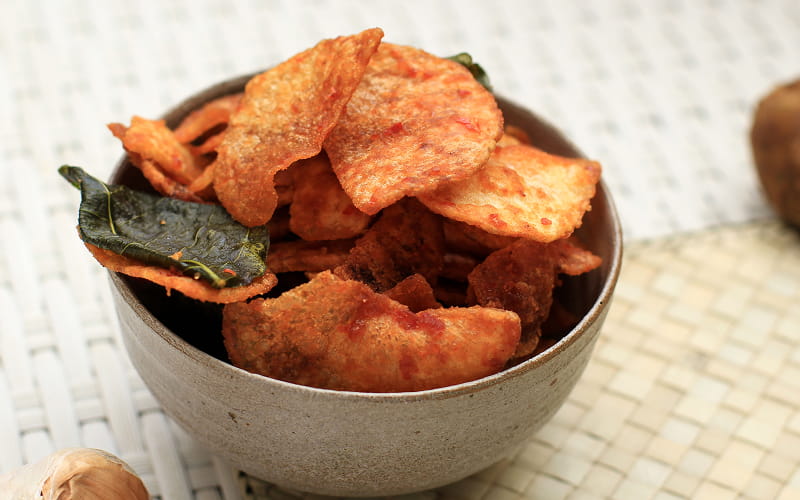
China also offers examples of texture-led differentiation. Want Want’s Thick-Cut Original Potato Chips use a 2.5 mm cut and vacuum low-temperature frying to create a crisp exterior with a softer interior.
For manufacturers, concepts like this show how texture can become a deliberate part of product positioning. They also raise practical questions around processing consistency, oil absorption, shelf life, and whether the intended bite can be reproduced reliably at scale.
This reflects wider food innovation trends, where product development and production capability increasingly need to move together. A distinctive sensory idea has little commercial value if it cannot be reproduced consistently at scale.
Healthy Snacking Is Moving Towards Positive Nutrition
Healthy snacking is shifting from what a product removes to what it can add.
Innova reports that 62% of Asian consumers eat a healthy snack at least once a day. Among consumers looking for targeted health benefits from snacks, 59% seek protein, followed by vitamins and fibre.
That creates opportunities beyond traditional nutrition bars. Protein-rich savoury snacks, fibre-forward crackers, nuts, seeds, legumes, and fortified products can bring nutritional benefits into everyday eating occasions.
The challenge is keeping the product enjoyable. Consumers may value protein or fibre, but a stronger nutritional proposition cannot fully compensate for poor flavour or texture. Health and sensory appeal increasingly have to work together.
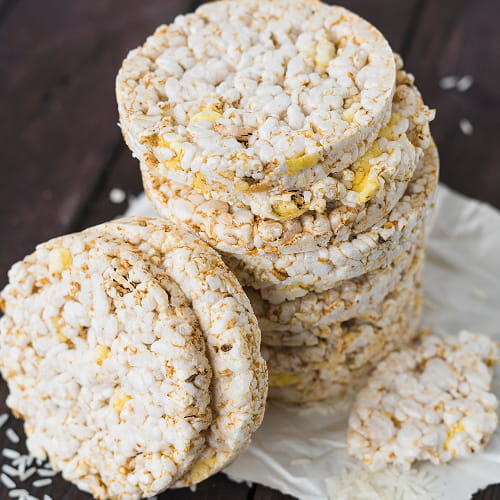
Seoul Snack Rice Chips offer one recent example. Launched by the Seoul Metropolitan Government with Poongsimdang in 2026, the baked snacks use Korean rice, vegetables, sesame oil, and sea salt. The concept shows how healthier positioning can come from ingredients and preparation methods, not added functional ingredients alone.
Healthy product development also intersects with wider sustainable food trends, including plant-based ingredients, sourcing choices, and resource efficiency. For brands, the opportunity is to make nutrition part of an enjoyable product rather than treating health as a separate category.

Source: SEOUL METROPOLITAN GOVERNMENT
Local Identity Can Be a Competitive Advantage
Localisation is no longer only about adapting a global product to suit a particular market. Regional ingredients, traditional dishes, and food memories can become the starting point for product innovation.
Kerry describes “Heritage Reclaimed” as one of the influences shaping Asia-Pacific flavour development, with traditional ingredients moving into modern formats. NielsenIQ similarly points to an “East-to-East” flavour movement, as brands draw inspiration from neighbouring Asian cuisines rather than relying only on Western trends.
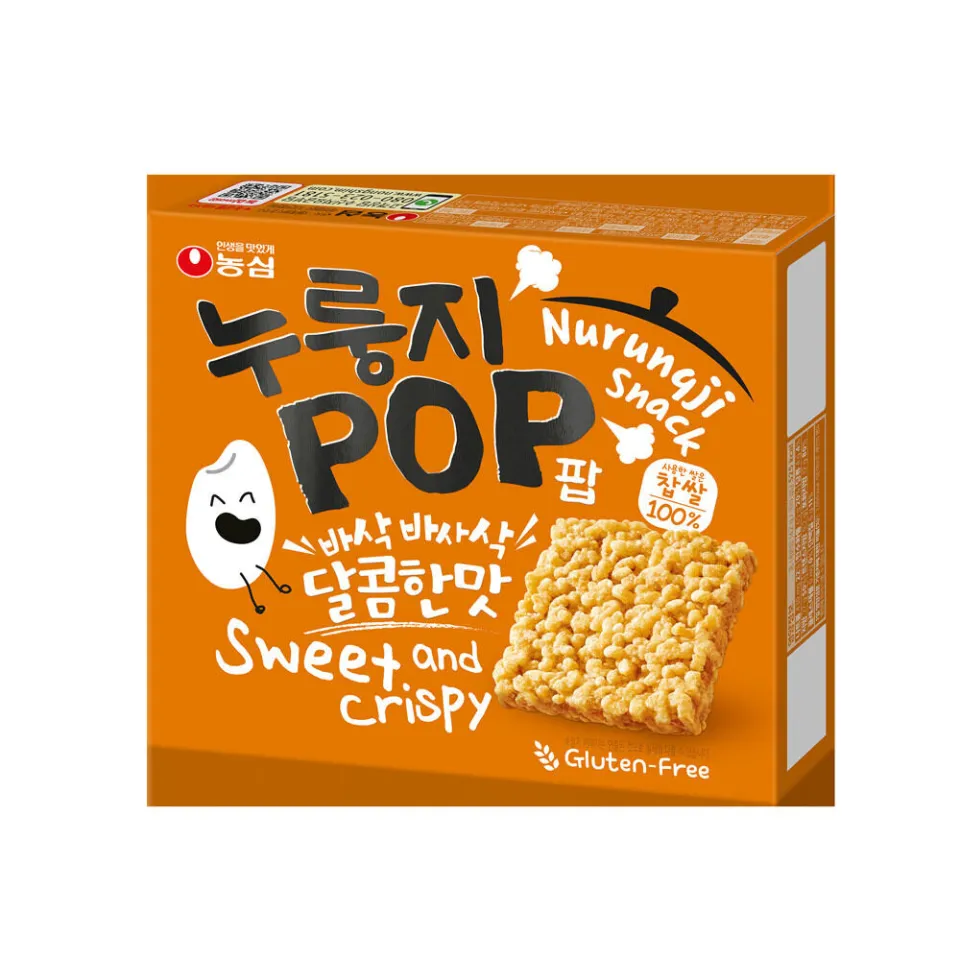
Nongshim’s Nurungji Pop illustrates the idea. Launched in South Korea in April 2025, the snack reinterprets nurungji, or scorched rice, as a convenient cracker-style product. Its identity comes from a familiar Korean food reference rather than a flavour added to an otherwise generic concept.
Strong local flavour innovation preserves recognisable elements of a food culture while adapting them to formats suited to modern consumption.
Local identity can also support regional discovery. Travel, social media, and cross-border retail are making consumers more familiar with neighbouring cuisines. A flavour strongly associated with one market can therefore become a point of novelty in another without losing its cultural roots.

What Do These Consumer Trends in Snacking Mean for F&B Businesses?
The strongest snack concepts today increasingly combine these priorities rather than choosing between them. A locally inspired flavour can arrive in an unfamiliar texture. A protein-rich snack can still feel indulgent. A premium product can justify its positioning through ingredients, sensory experience, or cultural relevance.
For manufacturers, this means testing whether new flavours and textures can be produced consistently without compromising shelf life or cost. Retailers and distributors can assess how well a product fits local preferences, its nutritional positioning and whether it offers a meaningful point of difference from existing snacks.
The commercial implications also differ across the value chain.
- Brands and exporters can use regional flavours, health positioning, and pack formats to adapt products for individual Asian markets rather than assuming one concept will travel unchanged.
- Manufacturers need to assess whether new coatings, textures, protein, fibre, or local ingredients remain stable and cost-effective at commercial scale.
- Distributors can evaluate whether emerging snack concepts fit their retail, foodservice, or convenience channels and whether suppliers can maintain reliable volumes.
- Buyers can look beyond novelty to consider margins, local consumer fit, repeat-purchase potential, and how clearly a product differs from existing options.
This matters because snack-buying behaviour already varies across Southeast Asia. Consumers in the Philippines and Indonesia shop less frequently but spend more per trip, while Thai consumers make more frequent trips with smaller baskets. For suppliers planning regional expansion, the same snack may therefore need different pack sizes, price points, or channel strategies from one market to another.
Innovation remains commercially important. NielsenIQ found that the APAC snacks and confectionery category grew by 1.2% in 2025, with all measured growth coming from what it calls “insurgent” brands. These included newer brands launched in 2024 and 2025.
For established companies and challengers alike, that finding shows how newer players can gain ground by responding quickly to changing consumer expectations. The new rules of snacking are not about chasing every trend. They are about finding the right combination of taste, texture, health, and identity for the consumer and occasion.

Discover the Future of Snacking at FHA 2027
From innovative snack products and emerging flavours to ingredients and manufacturing solutions, FHA 2027 brings together F&B businesses looking to discover new products, explore market opportunities, and build industry connections.
Explore the Snacks & Confectionery segment to discover products and innovations across snacks and confectionery. Businesses involved in product development can also explore FHA Manufacturing for ingredients, processing, packaging, and other solutions that support the journey from concept to commercial production.
FHA 2027 takes place from 20–23 April 2027 at Singapore EXPO, bringing together manufacturers, brands, exporters, distributors, buyers, and other industry professionals from across the F&B value chain.
Register to visit FHA 2027 to explore the latest products and developments shaping Asia’s snacking market.
Looking to showcase your products or solutions to regional trade buyers? Enquire About Exhibiting at FHA 2027.
Frequently Asked Questions
What are the main consumer trends in snacking across Asia?
Consumers are increasingly looking for snacks that combine enjoyable flavours, interesting textures, better-for-you ingredients, and stronger cultural relevance.
Why are local flavours becoming more important in snack development?
Local flavours can make products feel more familiar and distinctive. They can also help brands adapt traditional ingredients or dishes into formats suited to modern snacking occasions.
How is healthy snacking changing in Asia?
Healthy snacking is moving beyond reducing sugar, salt, or fat. Consumers are also showing interest in products that provide protein, fibre, vitamins, and other nutritional benefits.
Data Sources
| Source | Reference |
|---|---|
| Innova Market Insights | Top Food and Beverage Trends 2026 in Asia |
| NielsenIQ | Pulse of the Impulse: Unwrapping APAC Snacking Momentum |
| Kerry | Taste Charts 2026 |
| PepsiCo India | PepsiCo Brings Global Gourmet Snacking Experience to India With the Launch of Red Rock Deli Chips |
| Innova Market Insights | Consumer Snacking Trends in Asia Pacific |
| Seoul Metropolitan Government | SMG Launches Two Additive-Free Seoul Snack Rice Chips |
| Nongshim | Nurungji Pop Product Launch |