Picture a busy morning commute, a long travel day, or a quick stop after the gym. Instead of reaching for sugary treats, many people now grab protein bars, roasted nuts, plant-based bites, or yogurt packs.
Snacking is no longer just about convenience; it is becoming a simple way to support everyday wellness. In 2026, the demand for healthy snacks is rising faster than ever.
Growing health awareness and fast-paced lifestyles are prompting consumers to seek snacks that are portable, nutritious, and made with clean ingredients.
People want foods that offer real benefits, not just fewer calories. This has shifted the focus from traditional “diet snacks” to functional nutrition that supports energy, digestion, and overall health.
Several trends are shaping this change. Protein-rich snacks are gaining popularity, low sugar options are becoming a priority, and plant-based choices continue to grow.
At the same time, interest in gut health and AI-personalized nutrition is increasing. Across many markets, Asian consumers want healthy food that fits modern lifestyles while still delivering taste and convenience.
In this post, we will explore the key snacking trends, the role of AI and personalization in snack choices, and a practical buying guide to help you choose better snacks on the go.
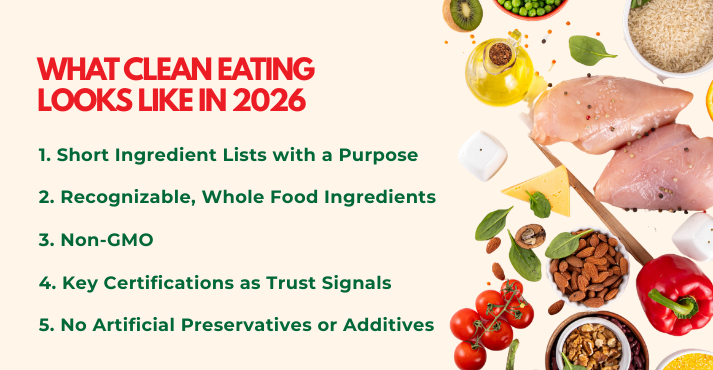
What Does “Clean Eating” Mean in 2026?
Today, clean also means clear function (protein, prebiotics, adaptogens), proven sustainability (upcycled ingredients, low-impact sourcing), and traceable transparency (labels, QR codes, supplier stories).
With the rise of healthy indulgence, consumers expect fewer artificial additives, less added sugar, and honest claims, plus snacks that deliver real benefits, not just marketing promises.
Here’s what qualifies as clean eating in 2026:
Short Ingredient Lists with a Purpose
Consumers are scrutinizing labels, favoring products with ingredients they recognize and can pronounce. The focus has shifted from merely avoiding artificial additives to actively seeking beneficial ones.
Recognizable, Whole Food Ingredients
This is the “kitchen test”: if you wouldn’t cook with it in your home kitchen, it doesn’t belong in a clean product. Shoppers scan labels for whole foods like oats, almonds, or dates, and avoid chemical-sounding additives.
Non-GMO
While this remains a baseline standard, it is increasingly viewed as a prerequisite rather than a differentiator. Consumers see the Non-GMO Project verification as a fundamental step, but they now look beyond it for more proactive benefits, such as adaptogen-infused ingredients that actively promote wellness.
Key Certifications as Trust Signals
Certifications provide a shortcut for consumers seeking assurance. In 2026, commonly sought-after labels include USDA Organic, Non-GMO, and gluten-free, though shoppers are increasingly aware that a “clean” claim alone is unregulated.
No Artificial Preservatives or Additives
The aversion to ultra-processed foods continues to grow. “Clean” products avoid artificial colors, flavors, and preservatives, focusing instead on natural methods to enhance freshness and taste, such as probiotic-enhanced or keto-friendly foods that support gut health.
Significantly Lower Added Sugar
With rising awareness of metabolic health, reducing added sugar is a top priority. The goal is to minimize blood sugar spikes, often by using natural sweeteners or relying on the inherent sweetness of whole foods.
Transparent and Ethical Sourcing
People want to know where their food comes from. This involves supporting local farmers, choosing sustainably grown produce, and opting for brands that are transparent about their supply chains and ethical practices.
Quick Checklist: Is It Clean in 2026?
Use this quick guide when evaluating a food product:
- Protein Power: Contains 10g+ protein to support satiety and energy.
- Sugar-Conscious: Has <5g added sugar to promote metabolic stability.
- Real Food Base: Primarily made from whole food ingredients you recognize.
- Functional Benefit: Provides a clear benefit, such as supporting gut health, energy, or calm (e.g., via probiotics or adaptogens).
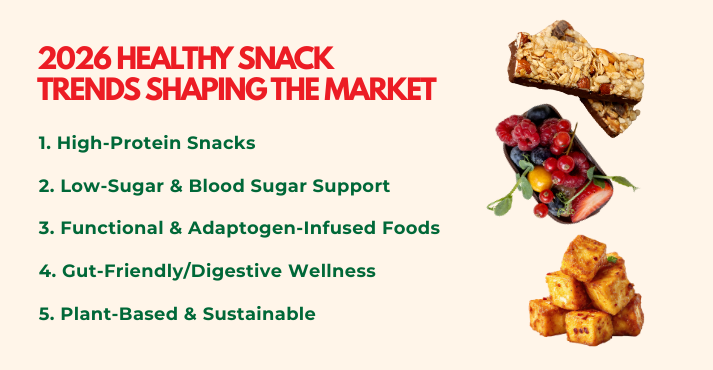
2026 Healthy Snack Trends Shaping the Market
Across Asia-Pacific and globally, healthy snacking is booming. The global healthy snacks market is expected to grow from $94.62 billion in 2023 to $173.12 billion by 2033, at a CAGR of 6.23%.
In the Asia-Pacific region, the market is experiencing rapid growth, projected to rise at a 6.39% CAGR to $43.01 billion by 2033.
Major markets are already shifting labels and products: China’s new dietary guidelines (2025–30) aim to cap added sugar, and China now ranks among the world leaders in no-/low‑sugar foods. Similarly, in India, snack buyers especially over-index on organic, plant-based, and sustainable claims.
Here are the five key snacking trends driving 2026:
- High-Protein Snacks
- Low-Sugar & Blood Sugar Support
- Functional & Adaptogen-Infused Foods
- Gut-Friendly/Digestive Wellness
- Plant-Based & Sustainable
Let’s explore each in detail.
1. High-Protein Everything
Protein is top of mind for snackers in 2026. Bars still anchor the category, but protein is now found in many formats, from yogurt bites to savory legume crisps to protein‑fortified chips.
Dairy and egg proteins (Greek yogurt cubes, egg-white bars) remain popular for familiarity, but plant proteins (pea, chickpea, lentil) are growing due to sustainability and vegan trends.
Brands offering high-protein healthy snack options emphasize clear protein claims on labels.
For example, RXBAR bills itself on “simple ingredients,” egg whites for complete protein, dried dates for sweetness, and nuts for texture, with no artificial additives.
Similarly, KIND nut‑and‑fruit bars typically start with whole almonds or peanuts (5–7 g protein each) and honey, marketed as “wholesome” snacks.
LÄRABAR focuses on fruit-and-nut bars made of only a few ingredients (2–9 whole foods per bar), usually lower in protein (3–6 g) but very clean-label.
Whereas a modern protein bar might blend nut butter, whey or pea isolate, and natural sweeteners to deliver 10–20 g of protein per serving.
2. Low-Sugar & Blood Sugar Friendly Snacks
Sugar reduction has moved from a niche health movement to a mainstream consumer expectation.
Today’s snack shoppers actively seek products with lower added sugar as awareness grows about energy crashes, metabolic health, and blood sugar spikes.
The goal is simple: fuel the body without causing sharp glucose highs and lows.
Globally, consumers are becoming more mindful of sugar intake when choosing packaged snacks.
- In the U.S., around 75% of consumers report trying to limit their sugar intake.
- In China, government health initiatives aim to reduce per capita added-sugar consumption by 2030, encouraging both manufacturers and consumers to rethink snack formulations.
- In Japan, over 76% of consumers say they check sugar and calorie content before purchasing their snacks.
As a result, snack makers widely promote “no added sugar,” “low glycemic,” or natural sweetener claims. Stevia, monk fruit, and allulose have all seen double-digit growth.
Instead of refined sugars, manufacturers increasingly use plant-based or low-glycemic alternatives:
- Stevia
- Monk fruit
- Allulose
These ingredients have experienced double-digit growth in use as brands seek to maintain sweetness while reducing metabolic impact.
Blood sugar stabilization is now a core marketing message: “fuel without the crash.” Snacks combine protein, fat, fiber, and low-glycemic carbs to blunt glucose spikes.
For example: almond-flour crackers drizzled with dark chocolate (sweetened with erythritol), nut bars with added MCT oil, or bean chips seasoned with sea salt.
Moreover, the ketogenic diet’s popularity also nudges mainstream snacks toward higher fat and lower carbs (e.g., cheese crisps, coconut oil–fried nuts), and many labels now boast “keto-friendly” or “net carbs” claims.
In Asia, this plays out strongly in some countries. Chinese consumers are increasingly reading labels and prefer “no cane sugar” or “no artificial sweetener” claims.
To fill the gap, regional startups now offer snacks such as stevia-sweetened nut bites or fiber-infused rice cakes to capture this demand.
3. Functional & Adaptogen-Infused Snacks
Snacks in 2026 are no longer just about satisfying hunger; they are designed to deliver targeted health benefits.
Modern consumers want foods that support energy, stress management, beauty, focus, and recovery while fitting into busy lifestyles. As a result, ingredients once found mainly in supplements are now appearing in snack bars, gummies, chocolate bites, and ready-to-drink beverages.
This shift has fueled the rapid growth of functional snacks with superfoods, turning everyday snacks into products that promise more than basic nutrition.
One of the biggest innovations in the functional food category is the rise of adaptogens, plant compounds believed to help the body manage stress and maintain balance. Data shows that the functional food market in the Asia Pacific is projected to reach $137.89B by 2028, growing at a 7.2% CAGR.
Common adaptogens now appearing in snacks include:
- Ashwagandha
- Reishi mushrooms
- Lion’s mane mushrooms
These ingredients are increasingly used in snack bars, chocolate, gummies, and “mood snacks.”
Collagen peptides have become another major ingredient in functional snacking. Known for its association with skin, joint, and bone health, collagen is now added to:
- Snack bites
- Protein puddings
- Coffee creamers
- High-protein bars
Digestive wellness is also shaping the next generation of snacks. Many brands now incorporate probiotics, fermented ingredients, and plant fibers into packaged snacks.
Moreover, electrolytes, including sodium, potassium, and magnesium, are increasingly added to snack products aimed at active consumers. Fitness bars, nut mixes, and trail snacks often include electrolytes to support hydration, muscle recovery, and sustained energy.
Because of these innovations, snack packaging increasingly features claims such as:
- “Supports gut health”
- “Adaptogens for stress balance”
- “With magnesium for calm”
- “Boosted with collagen”
These labels signal that snacks are no longer just treats; they are part of a broader wellness routine.
4. Gut-Friendly & Digestive Wellness Snacks
Gut health is now front and center in snacking. A growing public understanding of the microbiome has consumers looking for prebiotic fiber and live cultures in convenient formats.
High-fiber ingredients like chicory root inulin, resistant oat starch, and pea fiber show up in bars and chips to feed good bacteria.
Fermented ingredients, such as yogurt, kefir, kimchi, or kombucha extracts, are being incorporated for probiotics. Even seaweed snacks and plantain chips tout their fiber content for digestive wellness.
By the numbers, gut-focused launches are climbing fast, as the market is projected to reach $105.7 billion by 2029, growing at a CAGR of 8.2% from $71.2 billion in 2024.
In Asia Pacific snacks, “positive nutrition boosts” (prebiotics, probiotics, immune health) are among the top-growing claim areas.
Thus, brands cater to travelers and busy workers with on-the-go yogurt bites or fiber-packed nut mixes. For example, some bars now advertise “3 g prebiotic fiber” or include a probiotic strain in each pouch.
Digestive support is no longer just for supplements. Shoppers seek snacks with added fiber or live cultures to support gut flora. Look for products highlighting whole grains, legumes, oats, or fermented dairy, and for easy pairings (e.g., a probiotic snack jar for lunch).
5. Plant-Based & Sustainable Snack Packs
Plant-based is mainstream, especially for snacking. This shift is particularly evident in the snack aisle, where legumes, grains, and innovative sustainable practices are now standard.
Standard shelf offerings now include:
- Chickpea Puffs: Brands like HIPPEAS have pioneered this space, emphasizing “bold flavor, plant-powered nutrition” from peas and chickpeas.
- Lentil Chips and Black Bean Crisps: These provide a satisfying crunch with a superior protein and fiber profile compared to standard potato chips.
- Quinoa Bars and Nut Butters: Whole grains and nuts remain foundational, offering simple, recognizable ingredients and sustained energy.
Moreover, sustainability is a major purchase driver in 2026. Many consumers expect plant-based grab-and-go snacks to be packaged in eco-friendly materials or to use upcycled ingredients.
For example, Frito-Lay’s SunChips made headlines by debuting a fully compostable PLA chip bag, a sign that biodegradable packaging is finally reaching snacks.
Therefore, brands highlight compostable/recyclable bags and even source ingredients from regenerative agriculture. For example, HIPPEAS explicitly notes that its peas are “sustainably grown” to help build a healthier planet.
In Asia, where consumers are increasingly eco-conscious, these messages can be especially persuasive.
Protein Bars vs Whole Food Snacks: Which Is Better in 2026?
As on-the-go wellness nutrition becomes more important, consumers often face a common question: should they choose a protein bar or a whole-food snack?
Both options support healthier snacking habits, but they serve slightly different purposes depending on lifestyle, nutrition goals, and convenience needs.
Here’s a quick comparison:
| Criteria | Protein Bars | Whole Food Snacks |
| Protein | 10–20g | 6–12g |
| Sugar | Varies by brand and ingredients | Naturally low |
| Convenience | High (portable and shelf-stable) | Moderate (may require preparation or refrigeration) |
| Processing | Moderate | Minimal |
Organic vs Non-GMO: Does It Matter?
As demand for organic convenience foods grows, many consumers notice two common labels on snack packaging: organic and non-GMO. While they are related, they are not the same, and understanding the difference can help shoppers make better choices.
Organic foods are produced according to strict agricultural standards that govern how ingredients are grown and processed. Products certified by USDA Organic must meet guidelines that typically include:
- No synthetic pesticides or fertilizers
- No genetically modified organisms (GMOs)
- No artificial preservatives or additives in many cases
- Responsible soil and farming practices
In contrast, Non-GMO simply means the product’s ingredients were not genetically modified. This label focuses specifically on genetic engineering and does not necessarily address other farming practices, such as pesticide use or soil management.
| Feature | Organic | Non-GMO |
| GMO ingredients | Not allowed | Not allowed |
| Synthetic pesticides | Restricted | May be used |
| Farming practices | Regulated organic standards | Not necessarily regulated |
| Certification | Third-party organic certification | Non-GMO verification programs |
For many shoppers, organic products signal broader environmental and farming standards, while non-GMO labels focus mainly on ingredient sourcing.
In the growing market for organic convenience foods, some snacks carry both labels to communicate transparency and quality.
Are Healthy Snacks Affordable in 2026?
As the food and wellness market continues to expand, affordability remains a key question for consumers.
While many healthy snacks are positioned as premium products, evolving snack industry trends are making them more accessible through different pricing strategies and packaging formats.
Rising inflation over the past few years has increased the cost of ingredients, packaging, and logistics. As a result, many clean-label or functional snacks are priced slightly higher than conventional snacks.
However, brands are responding by offering value packs, bulk options, and subscription discounts to keep prices competitive.
Typical price ranges in 2026
- Single healthy snack pack: $2 – $4
- Premium functional snacks (protein, collagen, adaptogens): $4 – $6
- Bulk or multipack purchases: around $1 – $2 per snack
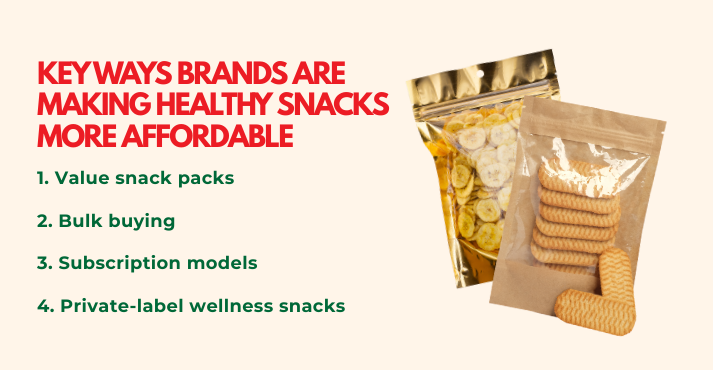
Here are key ways brands are making healthy snacks more affordable:
- Value snack packs: Larger multi-packs that reduce the cost per serving
- Bulk buying: Warehouse bundles or family-size packs offering better value
- Subscription models: Monthly snack deliveries with discounted pricing
- Private-label wellness snacks: Retailers launching lower-cost healthy alternatives
Given this, while some wellness snacks still carry a premium price, smarter packaging and bulk purchasing options are helping bring healthier snacking within reach for everyday consumers.
The Role of AI & Personalization in Snacking
AI is beginning to reshape how people choose snacks, moving the industry toward personalized nutrition. Instead of one-size-fits-all products, digital tools now help consumers select snacks based on their health goals, activity levels, and dietary preferences.
While still emerging, this trend is growing quickly within the broader consumer packaged goods industry.
Several innovations are driving this shift:
- Personalized nutrition apps: Apps analyze diet habits, health goals, and wearable data to suggest suitable snack options.
- Macro tracking: Users track protein, carbs, and fats to choose snacks that align with their daily nutrition goals.
- AI-generated snack recommendations: Algorithms recommend snacks based on energy needs, blood sugar goals, or dietary preferences.
- Customized snack boxes: Subscription services use AI to curate personalized boxes tailored to taste preferences, allergies, or nutrition goals.
Given this, AI-powered personalization is still developing, but it is rapidly transforming how consumers discover and buy snacks, making healthier choices easier and more tailored to individual lifestyles.
Buying Guide: How to Choose the Best Clean Snack
With so many products claiming to be “healthy,” choosing the right snack can be confusing. The best clean snacks balance nutrition, simple ingredients, and functional benefits while still fitting your lifestyle.
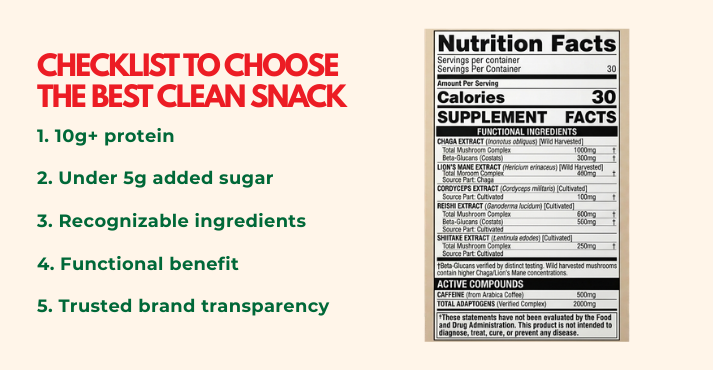
Use the checklist below to quickly evaluate whether a snack truly supports your wellness goals:
1. 10g+ protein
Look for snacks that provide at least 10 grams of protein to help maintain energy levels and support muscle recovery.
2. Under 5g added sugar
Choose snacks with less than 5 grams of added sugar to avoid energy crashes and maintain balanced blood sugar.
3. Recognizable ingredients
The ingredient list should be short and easy to understand, and it should prefer whole-food ingredients like nuts, seeds, oats, or fruit.
4. Functional benefit aligned with your goal
Select snacks that match your needs, such as high-protein for energy, probiotics for gut health, or adaptogens for stress support.
5. Trusted brand transparency
Choose brands that clearly label sourcing, certifications, and nutrition information, showing transparency about how their products are made.
Following this simple checklist makes it easier to identify snacks that are not only convenient but also genuinely supportive of a healthier lifestyle.
The 30-Second Decision Tree
| If you are… | Prioritize this… |
| Heading to the gym | Protein (15g+) + minimal fat |
| In a mid-afternoon slump | Protein (10g+) + Fiber (3g+) |
| Managing blood sugar | Under 5g added sugar + whole food base |
| Trying a new functional goal | Adaptogens, Probiotics, or specific certifications |
Frequently Asked Questions About Healthy Snacks in 2026
What is considered a clean snack in 2026?
A clean snack in 2026 is typically a product made with simple, recognizable ingredients and minimal processing while providing real nutritional value. Consumers now look for snacks with:
- High Protein Content: Delivers 10–20g of protein from sources like whey, peas, chickpeas, or lentils to support satiety and sustained energy.
- Low Added Sugar: Contains less than 5g of added sugar per serving, often sweetened with whole foods (dates) or natural zero-calorie sweeteners (monk fruit, allulose).
- Recognizable Whole Foods: Ingredients are simple and kitchen-friendly—oats, nuts, seeds, egg whites, dried fruit, with no artificial preservatives or chemical additives.
- Functional Benefit: Goes beyond basic nutrition to support specific goals, such as probiotic-enhanced options for gut health or adaptogen-infused snacks for stress management.
- Trusted Certifications: Holds seals such as USDA Organic or Non-GMO Project Verified, ensuring third-party validation of clean practices.
- Transparent Sourcing: Brand is open about ingredient origins, uses compostable or recyclable packaging, and may highlight sustainable practices like regenerative agriculture or upcycled ingredients.
Are packaged snacks still healthy?
Not all packaged snacks are healthy, and the aisle is still full of ultra-processed options loaded with artificial ingredients, hidden sugars, and empty calories. The difference is that consumers now have clear tools to distinguish between clever marketing and genuine nutrition.
What are the best high-protein snacks on the go?
Some of the best high-protein snacks on the go include portable foods that provide 10–20g of protein and help keep you full between meals. Common options are protein bars, Greek yogurt, beef or turkey jerky, hard-boiled eggs, tuna packets, roasted nuts, edamame, and cottage cheese cups. These snacks combine protein with healthy fats or fiber, helping maintain energy levels during busy days, travel, or after
Are functional ingredients safe?
Functional ingredients are generally safe when consumed in moderate amounts and used in approved food products. Ingredients such as probiotics, collagen, electrolytes, and certain adaptogens are widely used in foods and supplements to support specific health benefits, such as digestion, recovery, and stress management. However, their safety can depend on the dosage, individual health conditions, and product quality.
Are healthy snacks worth the higher price?
Yes, healthy snacks are worth the higher price for consumers who prioritize quality ingredients, functional benefits, and transparency. While a conventional snack bar might cost $1.00 and a clean protein bar $2.50–$3.50, the value lies in what you’re paying for: no cheap fillers, no artificial additives, and actual nutritional return.
Conclusion: The New Era of Smarter Snacking
Clean eating is no longer a niche concept; it has become a central part of how people snack. In 2026, convenience and nutrition are finally working together.
Modern-day healthy snacks are designed to deliver both great taste and real health benefits, making it easier for consumers to support their wellness goals even on busy days.
Today’s snacks are smarter and more intentional. Many products prioritize higher protein, lower added sugar, and functional ingredients such as probiotics for gut health or adaptogens for stress support.
At the same time, brands are embracing plant-based ingredients, sustainable sourcing, and cleaner labels to meet growing consumer expectations.
Technology is also shaping the future of snacking. AI-driven recommendations and personalized nutrition tools are helping consumers discover snack options that align with their lifestyle, dietary preferences, and health goals.
From simple whole-food choices like nuts to protein bars or plant-based puffed snacks, the modern snack aisle offers more variety than ever.
The result is a new era of smarter snacking, where convenience, transparency, and nutrition come together without compromise.