
As data breaches become more frequent, the pressure to secure sensitive guest information increases. Hotels collect vast amounts of personal data, from payment details to preferences, making them prime targets for cyberattacks.
A data breach can have serious consequences, compromising guest trust and damaging a hotel’s reputation, leading to financial losses and legal complications.
Implementing effective hotel data protection is crucial to preventing these issues. Compliance with privacy regulations such as GDPR and CCPA ensures the necessary standards are met to protect guest information.
Failing to secure data can result in severe financial penalties and long-lasting reputational damage. As data security becomes a growing focus, it’s essential to adopt robust security measures to safeguard both guests and the business.
Why Guest Data Protection Matters
Securing guest data is crucial for hotels because the information they collect is highly sensitive. Personal identification details, payment methods, and even health data are all at risk if not properly protected.
Hotels handle a wide range of guest data, from names and addresses to credit card information and medical records for special requests. Without proper safeguards, this data is vulnerable to theft, misuse, or exposure.
When hotels fail to protect guest data, the consequences can be severe. Legal actions, financial penalties, and reputational damage are among the most common repercussions.
For example, in 2018, Marriott International disclosed a massive data breach affecting approximately 500 million guests.
Hackers had access to the Starwood reservation database for four years, stealing personal details such as names, phone numbers, email addresses, and credit card information.
Marriott faced regulatory fines and lawsuits, and the breach also tarnished its brand reputation. This incident emphasizes the importance of guest experience protection in hospitality and the need to implement robust security measures.
In addition to the legal and financial consequences, hotels that suffer data breaches also risk losing customer trust. Once a hotel’s data protection practices are called into question, guests may be hesitant to book their next stay.
Protecting guest data in hospitality is not just about compliance; it is essential to maintaining trust and loyalty.
Understanding the Legal Framework: GDPR and Other Regulations
Hotels must comply with several data protection regulations, including the General Data Protection Regulation (GDPR) and the California Consumer Privacy Act (CCPA), to ensure guest data is handled securely and ethically.
Compliance with these laws is critical not only to avoid legal consequences but also to maintain the trust and loyalty of customers. These regulations have specific requirements regarding data storage, guest consent, and individuals’ rights to access, correct, and delete their data.
Hotels must understand how these laws affect their operations and implement the necessary measures to stay compliant as part of a broader hospitality management system.
GDPR Compliance for Hotels
The General Data Protection Regulation (GDPR) applies to hotels that process the personal data of EU residents, regardless of where the hotel is located. Key aspects of GDPR compliance for hotels include:
- Data Storage: Hotels must ensure that guest data is stored securely and only for as long as necessary. Personal data must be encrypted and stored in compliance with GDPR guidelines.
- Guest Consent: Hotels must obtain explicit consent from guests before collecting and processing their personal information. This can be done through opt-in forms or digital agreements during the booking process.
- Rights to Access: Guests have the right to access their personal information, correct inaccuracies, and request its deletion. Hotels must facilitate these requests within a reasonable timeframe.
The hotel information security management system plays a key role in ensuring compliance with all aspects of GDPR, including data security, access, and consent management.
CCPA and Its Impact on Hotel Data Security
The California Consumer Privacy Act (CCPA) applies to businesses that collect data from California residents. While GDPR focuses on protecting personal data within the EU, the CCPA aims to give consumers greater control over their data.
Differences between GDPR and CCPA include:
- Guest Rights: CCPA grants guests the right to request access to their personal data, request deletion, and opt out of the sale of their data, similar to GDPR. However, CCPA also gives California residents the right to know what data is being collected and the ability to request that it not be shared with third parties.
- Penalties for Non-Compliance: Both GDPR and CCPA impose significant fines for non-compliance, but CCPA fines are typically less severe than GDPR penalties.
Both laws require hotels to prioritize enhancing hotel security and take the necessary steps to protect guest information.
Actionable Compliance Steps
To ensure GDPR and CCPA compliance, hotels should take several steps:
- Appoint a Data Protection Officer (DPO): The DPO oversees data protection policies and ensures that the hotel complies with data protection laws. The DPO is responsible for managing data-handling procedures and responding to data breaches.
- Conduct Regular Audits: Regular audits of data collection, storage, and processing practices help ensure compliance with GDPR and CCPA. This includes reviewing guest consent forms and access logs to identify and resolve potential issues.
- Document Data Handling: Hotels must maintain detailed records of their data processing activities, including how guest information is collected, stored, and shared. This documentation is crucial for proving compliance during audits or legal inquiries.
Best Practices for Securing Guest Data
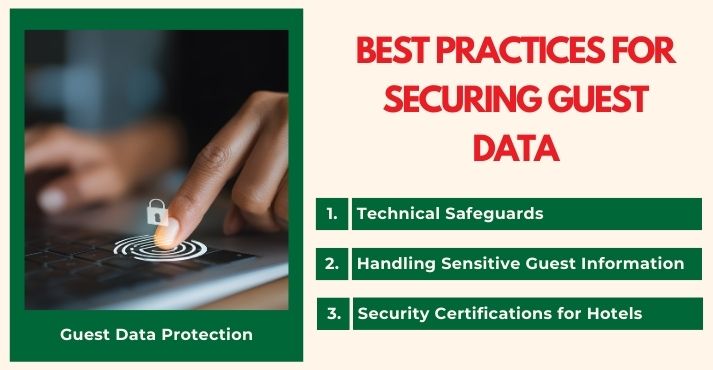
Securing guest data is a fundamental responsibility for every hotel. Nearly 31% of hospitality organizations have experienced a data breach, emphasizing the importance of implementing strong security measures.
Adopting robust security practices helps ensure compliance with privacy regulations and protects hotel operations. Below are the steps hotels should take to improve their data security:
1. Technical Safeguards
One of the most important steps in securing guest data is implementing technical safeguards. Hotels should ensure that all sensitive information is encrypted both in transit and at rest. This protects data from unauthorized access during transfers and while stored in databases.
Additionally, secure payment systems should be used to process transactions, ensuring that guests’ credit card details are protected.
To further protect against unauthorized access, hotels should implement two-factor authentication for staff accessing sensitive data and systems. Regular software updates and patches are also crucial to fixing vulnerabilities and keeping security systems up to date.
By following best practices for hotel data security, properties can significantly reduce the risk of data breaches and unauthorized access.
2. Handling Sensitive Guest Information
Hotels handle a variety of sensitive guest information. Therefore, it is essential that they implement strict protocols for handling this data.
Credit card details should be stored in compliance with PCI-DSS standards and never in plaintext. Hotels must also ensure that any health-related information, such as guest allergies or medical conditions, is stored securely and only accessible to authorized personnel.
Secure database management practices, such as data masking and encryption, help protect sensitive guest information from being exposed. Implementing these safeguards allows hotels to manage guest data securely while maintaining compliance with privacy regulations.
3. Security Certifications for Hotels
Obtaining recognized security certifications for hotels provides both reassurance to guests and proof of a hotel’s commitment to protecting sensitive information.
Certifications such as PCI-DSS and ISO 27001 validate a hotel’s adherence to industry best practices. These certifications show that a hotel has implemented proper safeguards to protect guest data and is compliant with the highest security standards.
In addition to ensuring regulatory compliance, these certifications help build trust with guests and encourage repeat business.
By following these measures, hotels can create a secure environment that enhances guest confidence and loyalty, making strong data protection a competitive advantage.
Tools and Technologies to Help You Stay Compliant
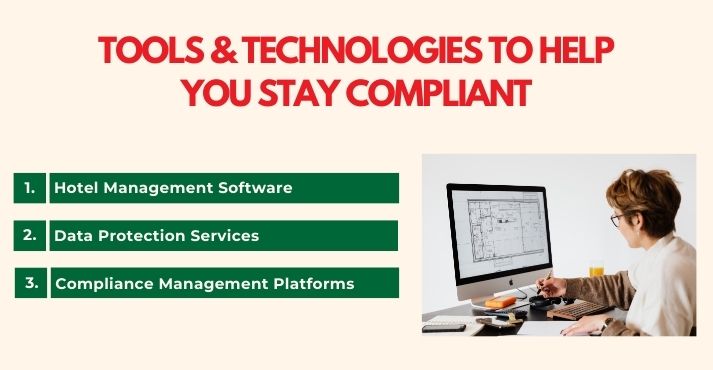
To meet data protection regulations such as GDPR and CCPA, hotels can implement various tools to enhance data security and safeguard guest privacy. These solutions help protect guest data from breaches, supporting compliance and long-term guest trust.
Here are some essential tools and technologies hotels can use:
1. Hotel Management Software with Built-in Security Features
Hotel management software (HMS) solutions offer secure booking systems, guest data encryption, and payment processing capabilities. These tools ensure that guest information is protected throughout the entire booking and stay process.
Examples include:
- Oracle Hospitality OPERA Cloud: A cloud-based platform that integrates security for reservations, payments, and guest data, ensuring PCI-DSS and GDPR compliance.
- Mews: This system includes encrypted guest data storage and real-time security updates, and manages guest consent and access requests to ensure regulatory compliance.
Best for: Large hotel chains that handle extensive guest data and require scalable, secure systems.
2. Data Protection Services
Data protection services safeguard guest data from unauthorized access or cyberattacks. These services typically provide encryption, backup, and threat-detection tools to secure guest information.
Examples include:
- Veeam: Specializes in cloud data backup and disaster recovery services, helping hotels recover guest data if a breach or system failure occurs.
- Symantec Data Loss Prevention: Monitors and blocks unauthorized access to sensitive data with real-time alerts.
Best for: Boutique hotels or smaller properties seeking cost-effective and customized data protection.
3. Compliance Management Platforms
Compliance management platforms help hotels stay aligned with data protection laws like GDPR and CCPA. These tools provide automated audits, risk assessments, and management of data subject access requests (DSARs).
Examples include:
- OneTrust: A platform that tracks regulatory changes and helps manage guest consent, conduct data mapping, and process DSARs.
- TrustArc: Offers compliance software to assess privacy risks, manage third-party vendors, and maintain audit logs for regulatory compliance.
Best for: Larger hotels or hotel chains that need a sophisticated solution for handling guest data across multiple locations.
These tools help hotels strengthen their data security, comply with privacy regulations, and safeguard guest information. Implementing such technologies not only meets legal obligations but also builds guest trust, promoting long-term loyalty.
Consequences of Failing to Protect Guest Data
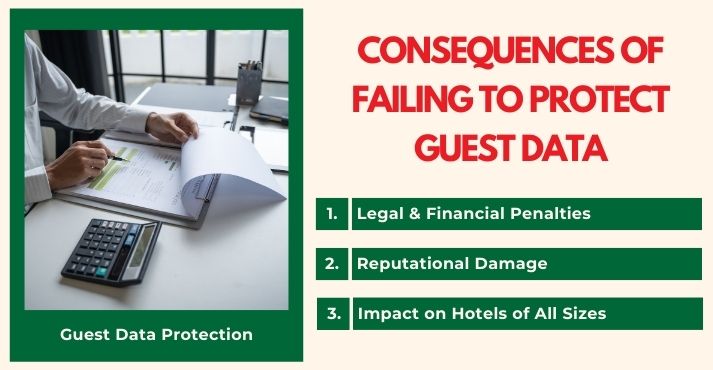
When hotels fail to adequately protect guest data, the impact can have lasting consequences for their business. Here’s what hotels may face when they fall short on data security:
1. Legal and Financial Penalties
A data breach can lead to significant legal and financial consequences for hotels. GDPR and CCPA impose strict fines for non-compliance.
Hotels that mishandle guest data may face fines totaling millions of dollars. These penalties are not limited to regulatory fines, but they also include legal costs, settlements, and compensation to affected guests.
Hotels may also face class-action lawsuits from guests whose personal information was compromised. The financial burden increases as hotels must invest in enhanced security measures and conduct thorough audits to restore guest trust.
In 2024, the global average cost of a data breach reached $4.88 million, a 10% increase from the previous year. This shows the financial impact of inadequate data protection and emphasizes the need for hotels to prioritize data security to avoid these costly consequences.
2. Reputational Damage
The loss of guest trust is one of the most damaging outcomes of a data breach. In the hospitality industry, reputation is crucial. A breach can cause guests to reconsider future bookings, diminishing the hotel’s ability to attract new guests and retain loyal ones.
The reputational impact can take years to recover from, and some hotels may never fully regain customer confidence after a significant data breach.
3. Impact on Hotels of All Sizes
While larger hotel chains may face more high-profile breaches, smaller hotels and boutique properties are just as vulnerable.
Cybercriminals often target smaller establishments, assuming they may lack sufficient security measures. Regardless of size, hotels must protect their data to prevent breaches that could severely disrupt operations.
Even hotels with limited budgets can take essential steps to protect guest information, such as data encryption, regular software updates, and staff training. Without these measures, any hotel, large or small, risks significant losses from a breach.
Data breaches affect more than just the immediate aftermath. They can impact a hotel’s bottom line, reputation, and future success. For hotels to succeed, investing in data protection measures is essential.
How to Handle Guest Data Responsibly: Sharing Data with Third Parties

Hotels often need to share guest data with third-party vendors, such as payment processors, booking platforms, and loyalty programs.
While this is necessary for seamless operations, it is critical to manage this process securely and responsibly to protect guest privacy and maintain compliance with data protection laws.
1. Vetting Third-Party Vendors
It’s essential to thoroughly evaluate third-party vendors before sharing any guest data. Hotels should ensure that their vendors adhere to the same data protection standards they are required to follow.
This means confirming that third-party vendors comply with applicable privacy laws and implement appropriate security measures to safeguard the data they process.
Before entering into agreements, hotels should conduct due diligence by reviewing vendors’ cybersecurity practices, certifications, and data protection performance.
Ensuring vendors have secure systems in place is crucial to preventing data breaches and protecting sensitive guest information.
2. Transparent Guest Consent
Obtaining clear and explicit consent from guests before sharing their data with third parties is essential. Guests should always be informed about which parties will have access to their information and the purpose behind sharing it.
For instance, hotels should provide guests with a privacy notice at the time of booking or check-in, clearly explaining that third-party services are used.
Hotels can achieve this by having guests acknowledge and agree to the data-sharing practices via checkboxes or digital consent forms, ensuring they understand how their personal information will be handled.
3. Creating Contracts with Third Parties
Clear contracts between hotels and third-party vendors are essential to outline data protection standards. These agreements should detail the security measures vendors must implement, including encryption, data access restrictions, and breach response protocols.
Hotels should specify the third party’s exact responsibilities for safeguarding guest data and the steps they must take in the event of a security breach.
Such contracts also provide a framework for holding vendors accountable if they fail to meet agreed-upon security standards, helping mitigate the risk of non-compliance and cybersecurity vulnerabilities.
4. Ongoing Monitoring and Audits
Maintaining strong relationships with third-party vendors involves continuous monitoring. Hotels must regularly review vendor practices to ensure compliance with data protection regulations and uphold security standards.
Regular audits allow hotels to proactively identify potential security gaps, address them, and ensure that guest data is consistently protected.
By carefully selecting third-party vendors, obtaining explicit consent from guests, and establishing solid agreements, hotels can maintain a secure environment for handling guest data.
Future Trends in Hotel Data Protection
As the hospitality industry faces rising demands for data security, hotels must stay updated on emerging technologies designed to protect guest data. Hospitality technology continues to evolve, providing hotels with new methods to enhance security and meet compliance standards.
One trend is the use of artificial intelligence (AI) to improve cybersecurity for hotels. AI can process large amounts of data to spot unusual patterns or potential threats.
By identifying these risks early, AI allows hotels to respond swiftly and prevent data breaches, keeping guest information safe.
Biometric authentication is becoming more widespread in hotels, offering an additional level of security. Systems such as facial recognition and fingerprint scanning are used to grant secure access to rooms and protect guest data, ensuring only authorized individuals can access sensitive information.
As regulations become stricter, it’s vital for hotels to stay informed and implement compliance measures. Adopting compliance management systems helps hotels meet data protection standards, ensuring guest data is handled responsibly and reducing legal risks.
Cloud computing is also becoming more integrated into hotel operations. Many hotels are turning to cloud-based platforms for their flexibility and scalability.
However, hotels need to safeguard this data through methods like data encryption to prevent unauthorized access.
Blockchain technology offers an emerging way to secure guest data. By decentralizing data storage and maintaining transparent records, blockchain makes it difficult for cybercriminals to tamper with sensitive information.
Hotels that use blockchain can enhance security for payments and guest data, helping protect guest privacy.
Conclusion
Guest data protection is crucial for hotels to maintain trust, comply with regulations, and protect their reputation. As cyberattacks become more common and data protection laws tighten, it is vital for hotels to implement effective security measures.
By strengthening hospitality operations with secure systems and modern technologies, hotels can safeguard guest information while supporting long-term growth.
Adopting technologies like AI, biometric authentication, and encryption helps ensure that guest data remains safe.
Compliance with privacy regulations is not just a legal requirement but also an essential business strategy. By prioritizing guest data security, hotels can build long-term trust and loyalty.
Hotel owners and managers must take immediate steps to improve their data protection practices to ensure a secure environment for both their guests and their business.