Traditional hotel meeting room bookings were designed for predictable schedules, centralized teams, and clearly defined travel patterns. That environment has changed.
Businesses now operate across locations, meet more frequently, and require spaces that can be accessed without the friction of rigid per-hour or per-day booking structures.
Subscription-based meeting spaces are changing how companies book and use meeting rooms. Instead of treating meeting space as a one-time transaction, hotels are offering ongoing access through subscription models, giving businesses a more consistent way to plan meetings and use professional spaces as needed.
At its core, a subscription model replaces individual bookings with a recurring access arrangement. Businesses pay a fixed fee to use meeting rooms, workspaces, or related services over a defined period, reducing administrative effort and uncertainty.
For hotels, this approach supports longer-term relationships with business users, while companies benefit from greater continuity and control over how and when meeting spaces are used.
1. Flexible Access to Meeting Spaces
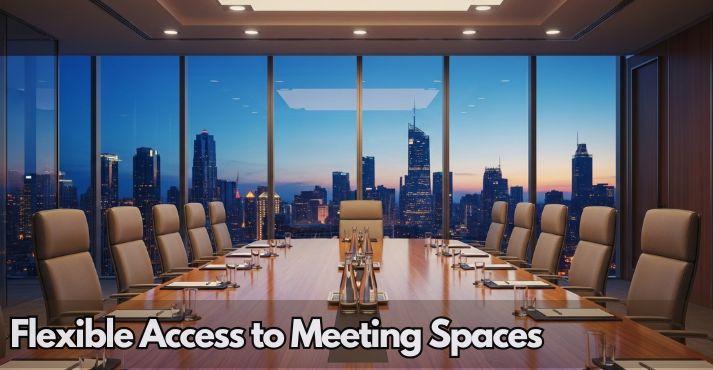
Traditional meeting room bookings often require businesses to reserve space by the hour or day, which can lead to overbooking, unused time, or planning far in advance.
Subscription-based access changes this dynamic by allowing companies to book meeting spaces on demand, based on availability, without committing to fixed time blocks.
With hotel subscription services, businesses can use meeting rooms as needed. This model suits organizations that hold frequent meetings, operate across multiple locations, or need space at short notice.
Instead of managing individual contracts for each booking, teams gain a simpler way to access professional environments while reducing administrative effort and improving time management.
Hotel groups are responding by making their spaces more adaptable. For example, Accor has focused on enabling flexible use of meeting rooms and workspaces across its properties, positioning these areas as resources that can be accessed repeatedly rather than reserved sporadically.
Industry data supports this direction. According to a report, 72% of organizations expect to increase their use of flexible and on-demand workspace solutions, highlighting sustained demand for access-driven meeting space models.
2. Customization of Services
Subscription-based meeting spaces give businesses more control over how meetings are set up and supported. Instead of a single fixed package, subscription models are built around service tiers that allow companies to select what they need for each session.
These options often include audiovisual equipment, catering formats, room configurations, and on-site assistance.
This approach improves the guest membership experience in hotels by allowing meetings to be configured according to purpose.
A leadership review may require advanced video conferencing and technical support, while a client presentation may focus on curated food service and dedicated coordination.
Service tiers make it easier for businesses to adjust these elements without revisiting contracts or managing multiple suppliers.
Hospitality technology providers such as Botshot AI point to how hotels are structuring subscription packages around different business needs and budgets, combining meeting space access with digital tools, service automation, and support features.
3. Cost Predictability

Budgeting for meeting space can be difficult when pricing is tied to hours, room types, equipment add-ons, or last-minute changes. Traditional booking structures often create cost variation from one meeting to the next, even when requirements are similar.
Subscription pricing addresses this by using fixed monthly or annual rates, allowing businesses to plan their spending without recalculating each session.
Within modern hospitality revenue models, this structure supports steadier planning for both sides. Businesses can set a defined budget line for meetings and workspace use, which reduces approval delays and improves internal forecasting.
Hotels benefit from recurring income that is less dependent on one-off bookings, while still being able to layer premium add-ons where appropriate.
This demand for cost control is clear in wider workplace decision-making. In CBRE’s Asia Pacific Office Occupier Survey, 50% of respondents cited better lease terms, rents, and cost savings as the primary motivation for relocating to new offices, showing how strongly budget outcomes influence space decisions.
4. Integration of Technology
Technology is a core feature of how subscription-based meeting spaces function. Instead of adding digital tools on request, these spaces are built with integrated systems that support hybrid and virtual meetings as a standard.
High-speed internet, wireless presentation tools, built-in video conferencing, and centrally managed audiovisual equipment allow meetings to run without manual setup or external support.
As part of subscription-based hospitality trends, this approach ensures consistency for businesses that rely on meeting spaces regularly.
Teams can expect the same technical standards each time they book, which reduces delays, setup time, and dependency on in-house troubleshooting.
For meetings that involve remote participants or multiple locations, this consistency is essential for maintaining continuity and reliability.
Hotel groups are investing heavily in this area. Hilton has expanded its EventReady and Connected Room technologies across properties, allowing seamless screen sharing, video conferencing, and digital controls for meeting and event spaces.
Behind the scenes, automation supports this delivery by streamlining room setup, equipment readiness, and system monitoring.
Together, integrated technology and automation allow hotels to support frequent, high-quality meetings at scale while minimizing operational friction for both staff and users.
5. Collaborative Environments
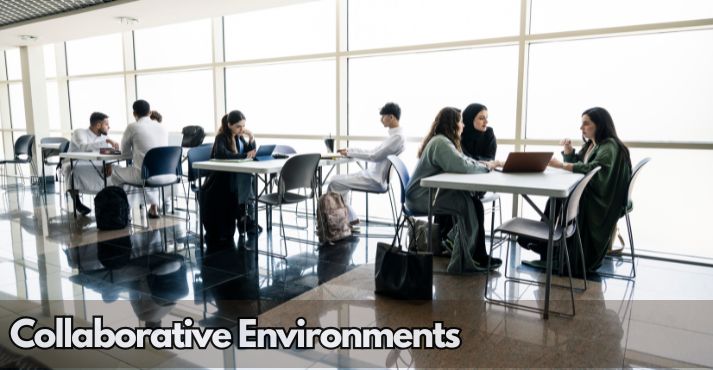
Subscription-based meeting spaces are often designed to encourage interaction alongside formal meetings.
In addition to enclosed rooms, many hotels include shared work areas, lounges, and informal seating that allow professionals to connect naturally. These layouts support conversation and idea exchange without relying solely on scheduled sessions.
Many hospitality membership models prioritize shared access and community use over individual bookings. Members may work alongside professionals from different industries, attend hosted discussions, or participate in on-site networking sessions.
This setup supports interaction that can lead to partnerships, knowledge sharing, or new business opportunities.
Some brands have structured their offerings around this approach. Soho House operates a network of workspace locations that offer hot desks, private offices, and meeting rooms in cities around the world. Soho Works spaces are designed to support work, meetings, and interaction within a membership setting.
By designing meeting spaces for shared use and interaction, hotels can appeal to professionals who value connection and exchange as part of their working routine.
6. Targeting Remote Workers
Remote and hybrid work arrangements have changed how professionals access meeting and workspaces. Instead of relying on permanent offices, many remote workers and distributed teams now look for professional environments they can use only when needed.
Subscription-based meeting spaces address this demand by offering access to meeting rooms, quiet work areas, and business services without long-term office leases.
For organizations managing flexible teams, monthly stay subscription programs offer a practical alternative to fixed real estate commitments.
Teams can secure regular access to meeting rooms for client discussions, project reviews, or in-person collaboration, while individual employees can use focused workspaces when home offices are not suitable.
Some hotel brands have adapted directly to this use case. Marriott International introduced its Work Anywhere offering, which allows professionals to use hotel rooms and meeting spaces as daytime offices, giving remote workers access to professional settings without permanent commitments.
The scale of remote work remains substantial. According to WFH Research’s Survey of Working Arrangements and Attitudes, 29.5% of full-time employees worked in hybrid arrangements, and 12.4% worked fully from home, supporting sustained demand for flexible, on-demand meeting and workspace access.
Conclusion
Subscription-based meeting spaces give businesses a more flexible way to use professional environments. Ongoing access replaces rigid bookings, service options can be adjusted based on meeting needs, pricing remains predictable, and integrated technology supports hybrid collaboration.
Shared spaces encourage interaction, while remote teams gain access to professional settings without long-term office commitments.
As work patterns continue to change, businesses may benefit from exploring hotels that offer subscription-based access to meeting and workspace facilities.
Attending a hotel technology trade show can be a useful starting point to discover hospitality providers, platforms, and solutions that support subscription-led meeting spaces and new ways of working.