
In a world where our palates are becoming increasingly global, the most exciting ingredients are no longer limited to local markets.
Many of these exotic plants have deep cultural roots and have been used for centuries.
Today, they are being discovered in the far corners of the world and introduced to new audiences. From vibrant spices to nutrient-rich berries, these specialty crops are valued not only for their unique flavors but also for their health benefits.
Their popularity is not just a passing trend. It reflects a growing demand for authentic ingredients, wellness-focused foods, and premium culinary experiences.
Whether used in gourmet dishes, health supplements, or refreshing beverages, these exotic plants continue to capture attention across the culinary, health, and wellness industries.
In this post, we will explore seven exotic specialty crops that are gaining popularity in global markets for their flavor, nutrition, and growing commercial value.
Saffron: The “Red Gold” of the Culinary World
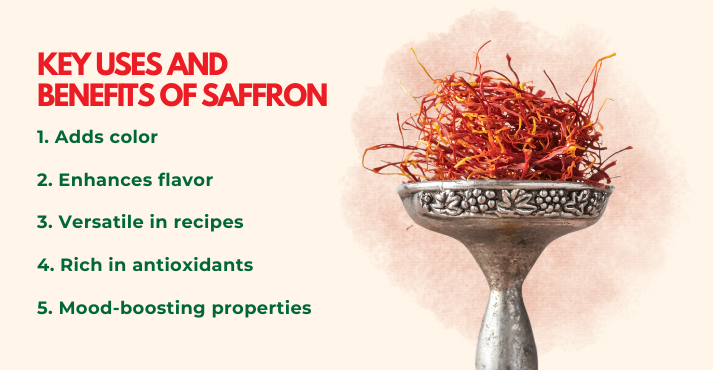
Saffron, often dubbed “Red Gold,” is a premium spice known as the king of spices. It’s treasured for imparting a rich golden color and subtle floral flavor to dishes like paella, risotto, biryani, and even desserts.
In fact, a little saffron goes a long way; it’s one of the most expensive spices by weight due to its labor-intensive harvest.
Key uses and benefits of this premium food ingredient include:
- Adds color: A few saffron threads add a bright golden hue and a warm.
- Enhances flavor: Adds aromatic taste to rice dishes, broths, sauces, and baked desserts.
- Versatile in recipes: Commonly used in paella, risotto, biryani, sweets, teas, and infused sauces.
- Rich in antioxidants: Saffron contains powerful compounds that help fight oxidative stress.
- Mood-boosting properties: Saffron may help support mood and reduce mild stress and depression symptoms.
Saffron’s high price reflects its premium status in gourmet cooking across emerging food markets. Pure saffron threads or powder are available at specialty markets and online; a small amount (thread or powder) is enough to flavor an entire dish.
Importantly, saffron’s unique flavor and health benefits make it a truly luxurious ingredient in global cuisine.
Goji Berries: The Superfood Berries

Goji berries are widely recognized as a superfood and wellness fruit due to their impressive nutritional profile and long history in traditional medicine.
These bright red immune-boosting berries are packed with antioxidants, vitamins, and beneficial plant compounds that support overall health.
As exotic agricultural products gaining attention in global markets, goji berries have become a popular addition to modern health-focused diets.
Key benefits and uses include:
- Immune support: Rich in vitamins A and C, goji berries help strengthen the immune system and protect the body from illness.
- Antioxidant power: Compounds like beta-carotene and zeaxanthin help fight oxidative stress and support eye health.
- Healthy aging: Their nutrient profile contributes to skin health and may support overall vitality.
- Nutrient-dense snack: Goji berries provide fiber, plant protein, and essential micronutrients while remaining relatively low in calories.
- Versatile in recipes: They can be added to smoothies, yogurt, oatmeal, salads, trail mixes, and herbal teas.
Goji berries are commonly sold dried, fresh, or in juice form at health food stores and supermarkets, often featured as a sustainable food choice in wellness-focused diets.
Wasabi: More Than Just a Japanese Condiment
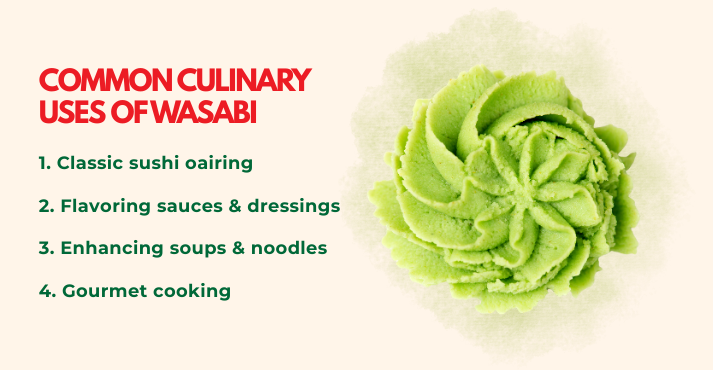
Wasabi, also called Japanese horseradish, is a fiery green spicy condiment essential to sushi. Grated fresh wasabi is known for a sharp, sinus-clearing heat (unlike the burn of chili peppers).
Traditionally enjoyed with sushi and sashimi in Japan, wasabi’s pungent kick comes from volatile compounds that stimulate the nose and clear the palate.
Today, wasabi is much more than a sushi essential: chefs around the world are using it to add spice to sauces, dressings, and gourmet dishes.
Common culinary uses of wasabi include:
- Classic sushi pairing: A small amount of grated wasabi is served with sushi or sashimi, often mixed with soy sauce to enhance the flavor.
- Flavoring sauces and dressings: Wasabi is commonly blended into salad dressings, marinades, dips, and creamy sauces like wasabi mayonnaise.
- Enhancing soups and noodles: A touch of wasabi can add depth and spice to noodle soups and broths.
- Gourmet cooking: Chefs use it with grilled meats, seafood, and roasted vegetables to create a bold, spicy twist.
In ancient Japan, wasabi was even valued for its antibacterial properties (used to prevent food poisoning). It is still recognized to have antimicrobial compounds, though today it’s mainly prized for flavor.
Fresh wasabi can be costly, but jars of wasabi paste and even real wasabi rhizomes can be found via specialty retailers.
Dragon Fruit (Pitaya): The Refreshing Tropical Fruit
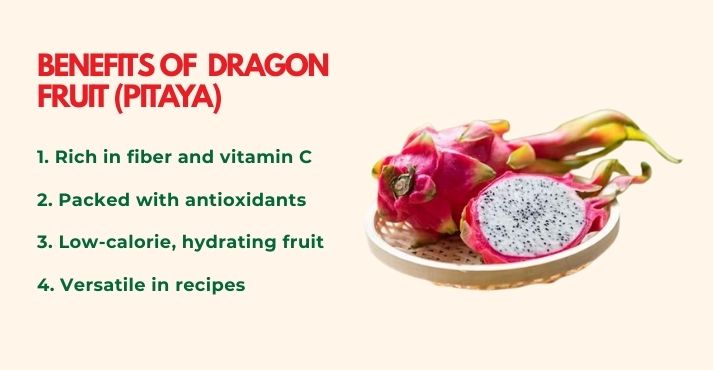
Dragon fruit, also known as pitaya, is a vibrant tropical superfruit recognized for its bright pink or yellow skin and white or red flesh dotted with tiny black seeds.
This visually striking exotic fruit is not only popular for its appearance but also for its refreshing taste and nutritional value.
With a mild sweetness often compared to a mix of kiwi and pear, dragon fruit has become a favorite ingredient in smoothies, juices, and healthy snack bowls.
Nutritional benefits and uses are:
- Rich in fiber and vitamin C: A typical serving provides fiber to support digestion and vitamin C to strengthen the immune system.
- Packed with antioxidants: Compounds such as betalains and flavonoids help protect the body from oxidative stress and inflammation.
- Low-calorie, hydrating fruit: Its high water content makes it a refreshing snack, especially in warm climates.
- Versatile in recipes: Dragon fruit can be eaten raw, blended into smoothies, added to fruit salads, or used as a colorful topping for yogurt and smoothie bowls.
Due to its strong market appeal, dragon fruit has become one of the high-value specialty crops gaining attention among farmers and food businesses.
As part of emerging global crop trends, it is now cultivated far beyond its native regions, with growers in Southeast Asia, Latin America, and other warm climates producing it for international markets.
Moringa: The Nutrient-Dense “Drumstick Tree”

Moringa oleifera, commonly known as the drumstick tree, is a fast-growing tropical superfood plant valued for its exceptional nutritional profile.
Almost every part of the tree is used in food or traditional medicine, but the leaves are especially prized. They are often dried and ground into moringa leaf powder, which is widely used in supplements, teas, and health foods, with many farmers adopting regenerative agriculture practices to ensure sustainable and nutrient-rich harvests.
Research has shown that moringa leaves are among the most nutrient-dense plant foods, containing high levels of vitamins, minerals, and antioxidants.
- Moringa leaves contain significantly higher vitamin C than oranges and higher vitamin A levels than carrots.
- They provide high levels of plant protein and essential amino acids.
- Moringa is rich in iron, calcium, potassium, and magnesium, supporting overall health.
- The leaves also contain powerful antioxidants such as quercetin and chlorogenic acid.
Most commonly, moringa is sold as a leaf powder or capsules. Its popularity has made it a significant specialty crop export.
For example, India is a top producer and has exported hundreds of tons of moringa leaf powder to global markets in recent years.
This “miracle” superfood is now shipped worldwide as a powder and in tea form. Adding moringa leaf powder to your diet can give you an easy energy lift and nutrient boost. In many countries, fresh moringa leaves or pods are cooked like spinach or beans.
Hemp: The Versatile Industrial Cannabis

Hemp is a non-psychoactive variety of the cannabis plant grown for industrial and food uses. Think of it as industrial cannabis that’s packed with nutrition.
Hemp seeds are a nutritional goldmine: they are high in plant protein and have a healthy 3:1 omega-6-to-omega-3 fatty acid ratio. In fact, hemp seeds are comparable to soybeans in protein content. They’re also rich in fiber and essential vitamins and minerals.
Nutritional and health benefits include:
- High-quality plant protein: Hemp seeds contain all nine essential amino acids, making them a complete protein source.
- Rich in omega fatty acids: A healthy balance of omega-6 and omega-3 supports heart and skin health.
- Fiber and mineral content: Hemp provides dietary fiber along with nutrients such as magnesium, iron, and zinc.
- Anti-inflammatory: Hemp seeds are a rich source of gamma-linolenic acid (GLA), an omega-6 fatty acid which may help manage symptoms of chronic conditions like arthritis or PMS.
- Supports overall wellness: Its nutrient profile makes hemp a popular ingredient in health-focused diets.
The most common food uses of hemp are:
- Hemp seeds in meals: Sprinkle them on cereal, yogurt, or salads, or blend them into smoothies for added protein.
- Hemp oil: Used as a nutritious drizzle for salads, dips, and cooked dishes.
- Plant-based foods: Hemp protein powder, hemp milk, and hemp-based ingredients are used in plant-based meats, protein bars, and gluten-free products.
Studies show that the stems yield strong, eco-friendly fibers used in clothing, rope, and even building materials. Hemp fiber requires less water and pesticides than conventional crops like cotton
Hemp is a prime example of the global demand for niche crops. Its market is booming across multiple industries. One industry report projects the global hemp market will jump from about $ 5.5 billion in 2023 to over $16 billion by 2030.
Truffles: The Ultimate Gourmet Ingredient

Truffles are among the rarest and most sought-after gourmet mushrooms in the world. Often described as luxury fungi, they grow underground near the roots of certain trees such as oak and hazelnut.
Their distinctive earthy aroma and deep, rich flavor have made them one of the most prized premium food ingredients in fine dining.
Because truffles are difficult to cultivate and must often be located with trained dogs or pigs, they remain one of the most expensive ingredients used in high-end cuisine.
Culinary uses of truffles include:
- Truffle oil and sauces: Infused oils and sauces capture the truffle’s signature aroma and are commonly used in gourmet cooking.
- Pasta and risotto dishes: Fresh truffle shavings are often added to pasta, risotto, and creamy dishes to enhance flavor.
- Fine dining recipes: Chefs use truffles to elevate meats, eggs, potatoes, and gourmet appetizers.
- Luxury garnishes: Thin slices of truffle serve as a finishing touch, adding elegance and depth to dishes.
Truffles grow in very specific environmental conditions, requiring nutrient-rich soil and a symbiotic relationship with certain tree roots. These unique growing requirements make them rare and highly valuable in the culinary world.
As demand for luxury foods rises, truffles play an important role in international agricultural trade, with countries such as Italy, France, and Spain exporting them to gourmet restaurants and markets around the globe.
Conclusion
These seven exotic specialty crops show how diverse and exciting our food choices can be.
Each offers something unique: saffron’s luxurious golden threads, goji berries’ immune-boosting power, wasabi’s sharp zest, dragon fruit’s refreshing sweetness, moringa’s nutrient density, hemp’s versatile uses, and truffles’ indulgent gourmet flair.
Across culinary, wellness, and industrial applications, the popularity of these crops continues to grow, earning them spots in dishes, beverages, and products worldwide.
Whether you are a foodie eager to try bold new flavors or someone looking to add nutrient-rich superfoods to your diet, exploring these exotic specialty crops can enhance both taste and well-being.
Try them at specialty markets or online, and enjoy the unique combination of flavor, nutrition, and culinary excitement they bring.