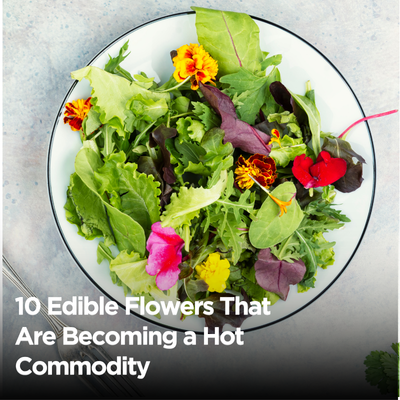
A single edible petal can change how a dish feels: a lavender sugar dusting on a shortbread, a peppery nasturtium on a spring salad, or a ruby hibiscus infusion that turns a drink camera-ready.
That mix of sensory detail and visual “wow” is why edible flowers have shifted from a chef’s flourish to a shopping line item for restaurants, bakers, and adventurous home cooks.
The business case is no longer purely anecdotal. Recent market estimates that the global edible flower market is expected to reach USD 579.0 million by 2035.
Given this, edible flowers are becoming a “hot commodity” for overlapping reasons: aesthetic plating, perceived wellness (think antioxidants), the rise of organic home cooking, and demand for local and seasonal ingredients.
This guide looks at the top 10 edible flowers today, from classic roses to fragrant jasmine. You’ll find a list of edible flowers and creative ways to use these flowers in your cooking.
What Are Edible Flowers?
An edible flower is simply a flower that’s eaten as food, either as a garnish or as a true ingredient in the recipe.
That sounds simple, but it matters because not all flowers are edible. Some are poisonous, and others are only safe in certain parts or in small amounts.
If you’re asking, “What kind of flowers are edible?” the safest baseline answer is: only flowers you can positively identify, sourced pesticide-free, and grown specifically for consumption (or grown at home under food-safe practices).
Edible flowers are available in several forms:
- Fresh edible flowers: Often used raw as garnishes in salads or atop desserts.
- Dried edible flowers: Commonly steeped for teas or used as rubs.
- Candied flowers: Preserved in sugar for decorating cakes.
For anyone wondering, “Can you eat rose petals?” the answer is yes, but only from clean, food-safe plants and with the bitter base removed.
Safety Guide: Which Flowers Are Safe to Eat?
Before you sprinkle flowers for food decoration onto a plate, run this quick checklist.
- Identify positively: Use the scientific name of the plant.
- Source safely: Only eat flowers grown specifically for culinary use.
- Avoid florist flowers: These likely contain harmful chemicals.
- Wash thoroughly: Rinse gently with cool water to remove dirt and insects.
Safe vs. Toxic Flowers
| Safe to Eat | Toxic & Avoid |
| Roses, Nasturtiums, Calendula | Foxglove (Digitalis) |
| Lavender, Chamomile | Sweet Pea (Lathyrus) |
| Hibiscus, Borage, Violets | Clematis, Daffodil (Narcissus) |
If you are unsure about a flower’s safety, do not taste it. Some plants, like potato flowers, are poisonous, so stick to trusted lists and reliable sources
Why Edible Flowers Are Trending
The surge in demand for edible flowers is not accidental. Several powerful food and lifestyle trends are converging to make them a hot commodity:
- Social Media & Visual Dining: On platforms like Instagram and TikTok, a dish’s appearance is crucial. Edible flowers instantly transform plating into “Instagram-worthy” art.
- Fine Dining Influence: Top chefs are moving beyond mint sprigs, using floral petals for sophisticated flavor and texture contrasts.
- The Farm-to-Table Movement: As diners embrace local and seasonal ingredients, chefs look to their gardens for unique, hyper-local garnishes.
- Wellness & Functional Food: Many edible flowers boast high antioxidant levels and calming properties, making them a perfect fit for the functional food market.
- Small Business Opportunity: From farmers’ markets to online shops, selling gourmet edible flowers has become a profitable niche.
Top 10 Edible Flowers
Here’s the list of edible flowers with pictures that are currently in high demand, each with a unique flavor profile and culinary niche.
1. Rose
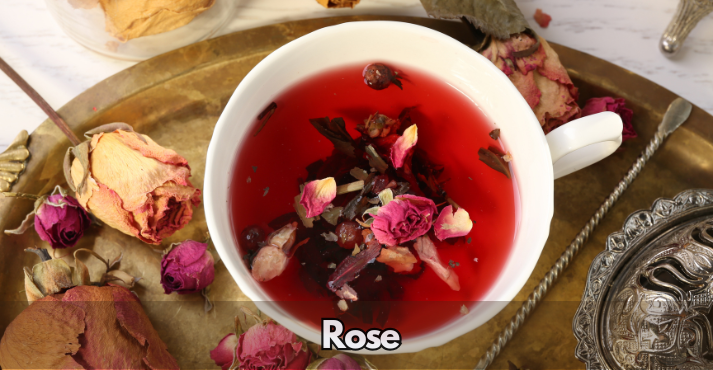
The rose is one of the most iconic edible flowers, cherished for centuries in Persian, Indian, and Middle Eastern cuisines. Its delicate petals add a touch of romance to any dish, whether sprinkled over a creamy dessert or steeped into a fragrant syrup.
- Flavor Profile: Sweet, floral, and perfumed.
- Best Uses: Desserts, syrups, teas, and as a garnish for cakes.
- Why It’s Popular: A classic choice for luxury and cultural familiarity. Rose is deeply embedded in Middle Eastern and South Asian cuisines.
Souring Tip: Use only organic petals, as roses are heavily sprayed with pesticides. Freeze petals in ice cubes for an elegant summer drink.
2. Lavender
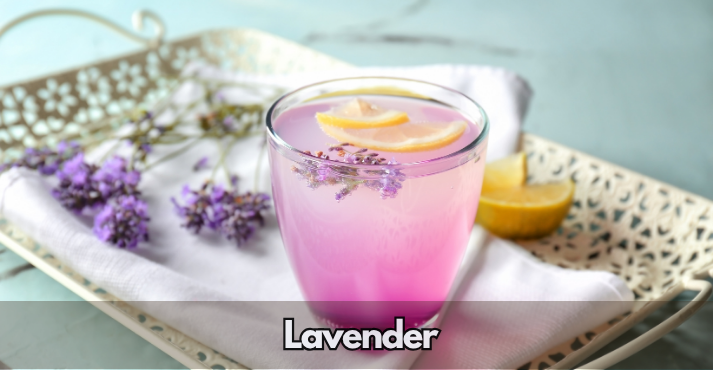
Lavender is a Mediterranean herb that has found its way into modern kitchens and wellness routines alike. Its distinctive purple spikes offer a calming aroma and a surprisingly versatile flavor that works in both sweet and savory preparations.
- Flavor Profile: Lightly sweet, aromatic, with herbaceous notes.
- Best Uses: Baking, teas, cocktails, and savory rubs.
- Why It’s Popular: Renowned for wellness benefits, particularly its ability to promote relaxation and reduce anxiety.
Growing Tip: Use sparingly; a little goes a long way. Add to shortbread or honey syrup for a soothing flavor.
3. Hibiscus
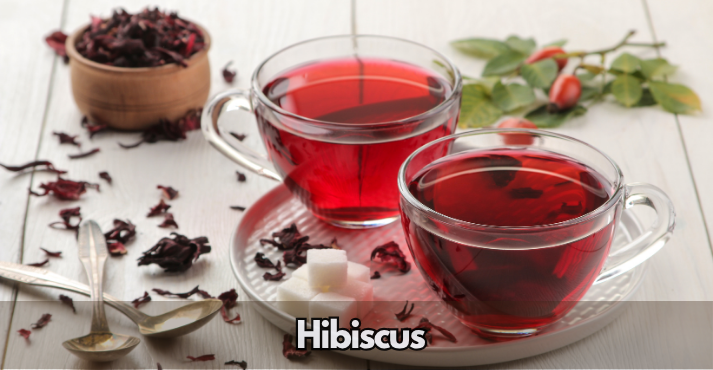
Hibiscus flowers, with their large, vibrant red petals, are a tropical treasure. When dried, they become a tart, cranberry-like powerhouse that has fueled a global boom in floral-infused beverages and natural food coloring.
- Flavor Profile: Tart, cranberry-like, with a citrusy tang.
- Best Uses: Teas, drinks, jams, and natural food coloring.
- Why It’s Popular: Its vibrant ruby color and high vitamin C content make it a favorite in health circles.
Cooking Tip: Dried hibiscus can be brewed into “agua de jamaica” or used to make a stunning sorbet base.
4. Nasturtium
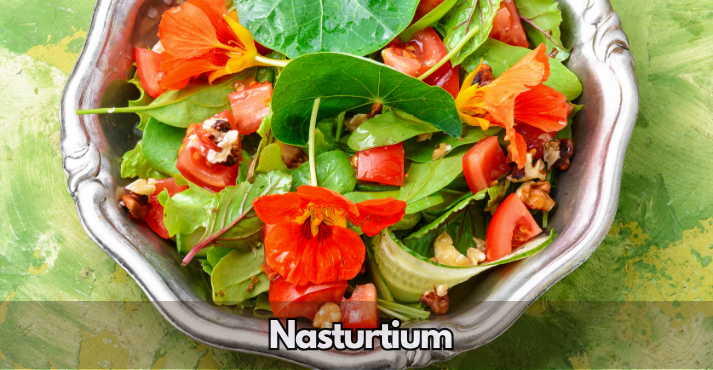
Nasturtiums are a gardener’s delight and a chef’s secret weapon. Their round, lily‑pad‑like leaves and brightly colored flowers (ranging from yellow to deep red) pack a peppery punch that can replace cress or even mild chili in a dish.
- Flavor Profile: Peppery, spicy, similar to watercress.
- Best Uses: Salads, savory garnishes, and pesto.
- Why It’s Popular: Its bright orange and red hues create a dramatic color contrast on the plate, and its bold taste stands up to savory dishes.
Souring Tip: Both the flowers and the round leaves are edible. Use the leaves as a spicy wrap for canapés.
5. Calendula (Pot Marigold)
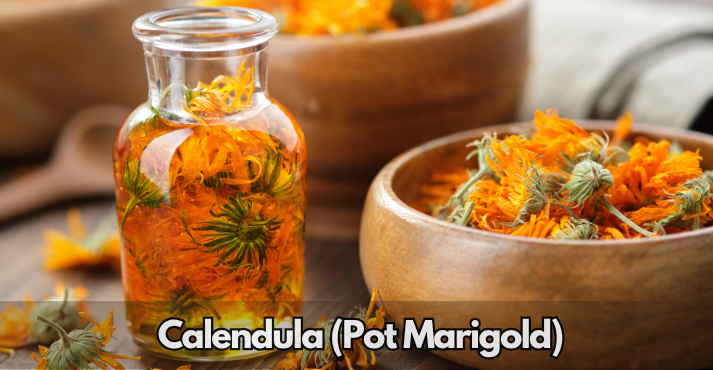
Often dismissed as a common garden flower, calendula is actually a culinary gem. Its golden‑orange petals have a mild, earthy taste and a remarkable ability to infuse dishes with a saffron‑like color, which is why thrifty cooks have prized it for generations.
- Flavor Profile: Mild, slightly bitter, and earthy.
- Best Uses: Butter, rice, soups, and natural dye.
- Why It’s Popular: Often called “poor man’s saffron,” it adds a golden-yellow hue to dishes at a fraction of the cost.
Cooking Tip: Sprinkle fresh petals over eggs or pasta to elevate the visual appeal of simple meals.
6. Borage
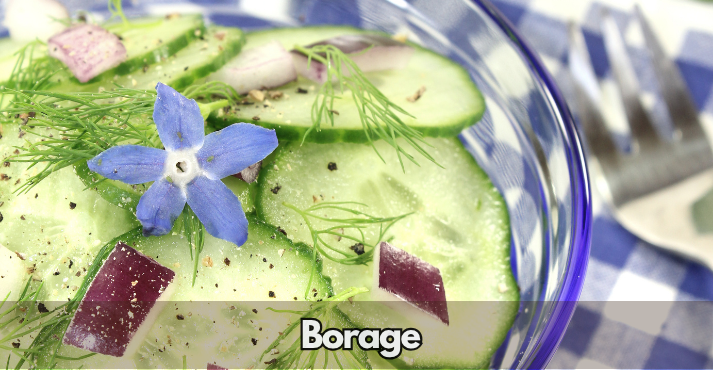
Borage is a star‑shaped, sky‑blue flower that tastes surprisingly like a fresh cucumber. It has long been used in European herbal traditions, but today it is experiencing a renaissance as a favorite garnish for craft cocktails and summer salads.
- Flavor Profile: Cucumber-like, cool, and refreshing.
- Best Uses: Cocktails, salads, and frozen in ice cubes.
- Why It’s Popular: Its unique cucumber flavor and star-shaped blue flowers make it a standout in modern bar culture.
Cooking Tip: Remove the hairy calyx (the green base) before using the petals to avoid a bitter taste.
7. Chamomile
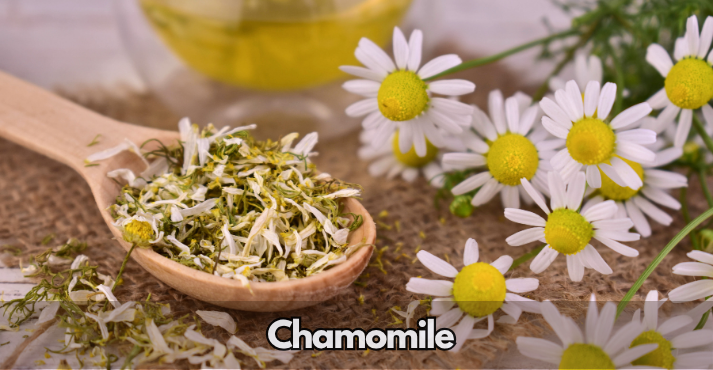
Chamomile’s daisy‑like flowers are best known for their soothing tea, but their sweet, apple‑like flavor is far more versatile. This gentle flower is a cornerstone of the functional food movement, offering relaxation and digestive comfort in every sip.
- Flavor Profile: Apple-like, mild, and sweet.
- Best Uses: Herbal tea, infusions, and desserts.
- Why It’s Popular: The quintessential wellness flower, widely used for its calming effects and digestive benefits.
Sourcing Tip: Use fresh chamomile flowers in simple syrup for cocktails or to poach pears.
8. Violet
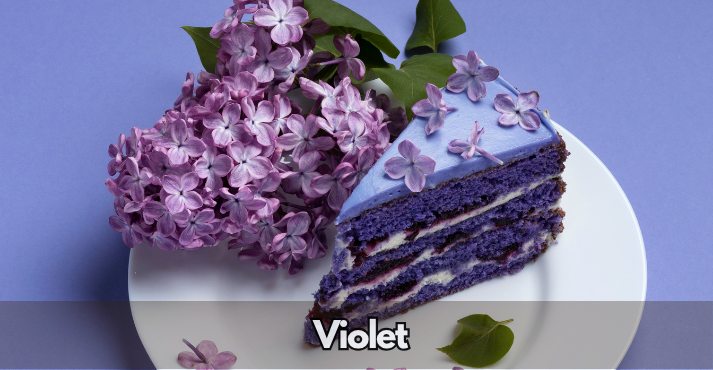
Violets are tiny, delicate blooms that pack a surprising sweetness, often with a hint of wintergreen. They are the undisputed queens of confectionery decoration, frequently candied or crystallized to adorn wedding cakes and French patisserie.
- Flavor Profile: Sweet, delicate, with a hint of wintergreen.
- Best Uses: Candied flowers, desserts, and cake decorating.
- Why It’s Popular: A favorite for aesthetic plating, crystallized violets add a touch of Victorian elegance to pastries.
Cooking Tip: Preserve them by painting with egg white and dusting with superfine sugar.
9. Dandelion
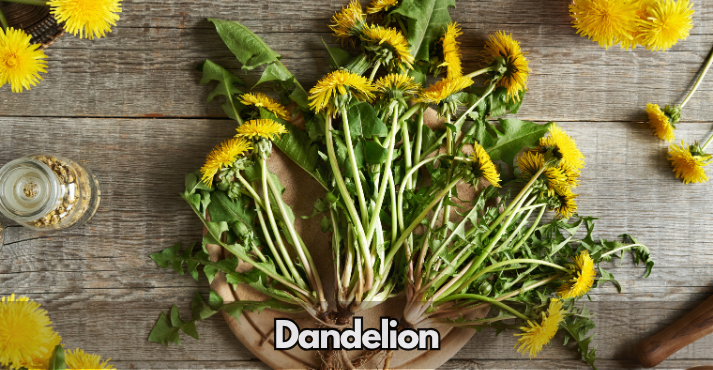
Often dismissed as a weed, the humble dandelion is one of the most nutritious and accessible edible flowers. Its bright yellow head has a honey‑like sweetness when picked young, making it a forager’s dream and a rising star in wild‑food cuisine.
- Flavor Profile: Slightly bitter, earthy, and honey-like (flowers only).
- Best Uses: Salads, teas, fritters, and wine.
- Why It’s Popular: The darling of the foraging movement; it is free, abundant, and packed with nutrients.
Growing Tip: Harvest the bright yellow heads in early spring for the sweetest flavor. The greens are also nutritious but more bitter.
10. Jasmine
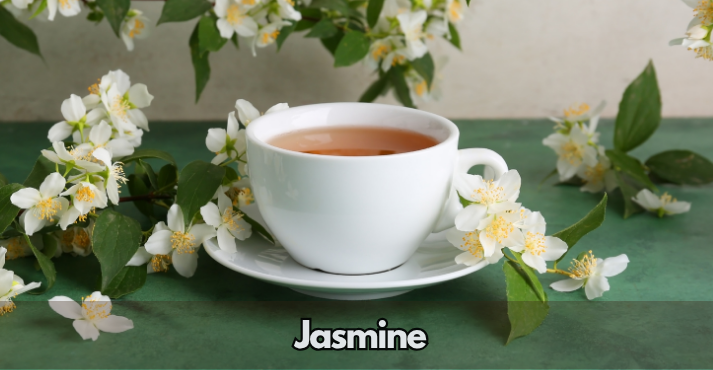
Jasmine flowers are small, white, and intensely fragrant. They are an essential ingredient across Asia, where their sweet, intoxicating aroma is used to scent tea leaves and infuse desserts. This global culinary influence has recently pushed jasmine into the spotlight of Western fine dining.
- Flavor Profile: Fragrant, sweet, and intensely floral.
- Best Uses: Tea, desserts, and aromatic rice.
- Why It’s Popular: Driven by trends in Asia’s food and beverage industry, jasmine is a staple for flavoring tea and desserts.
Cooking Tip: Combine jasmine with green tea leaves to create your own signature brew, or infuse it into custards for a floral creme brulee.
Quick Comparison Table
| Flower | Taste | Best Use | Popularity Reason |
| Rose | Sweet, floral | Cakes, syrups, tea | Luxury and familiarity |
| Lavender | Aromatic, sweet | Baking, tea, drinks | Wellness appeal |
| Hibiscus | Tart, fruity | Tea, drinks, jam | Bold color and flavor |
| Nasturtium | Peppery | Salads, garnish | Visual impact and bite |
| Calendula | Tangy, peppery | Butter, rice, soup | Saffron-like color |
| Borage | Cucumber-like | Cocktails, salads | Bar-friendly look |
| Chamomile | Apple-like | Tea | Relaxation use |
| Violet | Sweet | Candied flowers, dessert | Elegant plating |
| Dandelion | Bitter | Tea, cooked dishes | Foraging trend |
| Jasmine | Sweet, fragrant | Tea, dessert | Global culinary influence |
How to Use Edible Flowers
Incorporating flowers for food decoration is easier than you think. Here is a quick guide on how to use edible flowers in cooking across different meal courses:
In Desserts
Edible flowers shine in sweet applications. Use edible flowers for cakes by pressing single petals (like roses or violets) into buttercream frosting. Make floral syrups by steeping lavender or hibiscus in simple syrup, and drizzle over ice cream or pancakes.
In Salads
Nasturtium leaves and flowers are a classic addition to green salads, adding a peppery kick. Violets and pansies provide a mild, sweet contrast. Toss them in just before serving to keep them crisp.
In Drinks & Cocktails
Edible flowers for cocktails are a growing trend. Freeze borage or viola flowers in ice cubes for a stunning visual effect. Muddle hibiscus petals into a mojito or rim a coupe glass with crushed rose sugar.
In Teas
One of the most traditional uses, edible flowers for drinks like herbal tisanes, is a soothing way to enjoy blossoms. Blends like chamomile, jasmine, and hibiscus are staples of the functional food market for their health benefits.
How to Grow Edible Flowers at Home
You can easily turn your garden into a culinary asset. Most edible flowers require at least six hours of sunlight and well-draining soil.
Best edible flowers to grow for beginners:
- Lavender: Thrives in well-drained, alkaline soil and full sun. Prune after flowering to maintain shape.
- Calendula: Very hardy; grows easily in poor soil and full sun. Deadhead regularly to encourage continuous blooms.
- Nasturtium: Thrives on neglect. Plant in average soil and full sun; avoid fertilizing, or you’ll get more leaves than flowers.
Pro Tip: Collecting edible flower seeds is easy. Allow a few blossoms to go to seed, dry them, and store them for next season.
Where to Buy Edible Flowers
If you don’t have a garden, fresh edible flowers are available from several reliable sources. Demand is currently high from restaurants, bakers, and event planners.
- Farmers Markets: The best place to find local, organic, fresh edible flowers.
- Online Specialty Food Sellers: Many farms now ship dried edible flowers directly to consumers.
- Organic Grocery Stores: Some high-end stores stock pre-packaged culinary flowers in the produce section.
FAQ
What flowers are edible?
Here is a list of safe and popular edible flowers that are widely used in cooking and garnishing:
- Roses
- Lavender
- Hibiscus
- Nasturtiums
- Calendula
- Borage
- Chamomile
- Violets
- Dandelions
- Jasmine
Are edible flowers healthy?
Yes, many edible flowers contain vitamins like vitamin C and vitamin A, along with natural compounds often linked to antioxidant properties.
They may support overall wellness, but they are not a substitute for a balanced diet. The key is to use only properly identified, pesticide-free flowers and eat them as part of a varied, healthy meal.
Can you eat raw flowers?
Yes, but only if they’re pesticide-free and properly prepared; many guidelines suggest eating just the petals and removing the interior parts.
What do edible flowers taste like?
Edible flavors vary widely: roses are sweet, nasturtiums are peppery, hibiscus is tart, and borage tastes like cucumber.
Are edible flowers expensive?
Edible flowers are generally considered a premium, especially when they are fresh, organic, and hand-picked for restaurant use. However, growing your own is a very affordable alternative.
Which edible flowers are best for tea?
Several edible flowers make soothing, flavorful, and healthful teas. Here are seven excellent choices:
- Chamomile
- Hibiscus
- Jasmine
- Lavender
- Rose petals
- Linden (lime blossom)
- Calendula
Conclusion
Edible flowers are trending because they deliver beauty, aroma, and sometimes real flavor, while fitting modern priorities like sustainable sourcing and “gourmet” presentation at home.
Whether you want to try edible flowers in cocktails, add them to cakes, or grow a few blooms at home, the best way to begin is with safe, food-grade flowers and simple recipes.
Start experimenting with edible flowers today by planting a few seeds in your garden or picking up a pack of organic petals at your local market.
Embrace sustainable foods and eating habits by foraging or growing your own, and watch your culinary creations truly come to life.