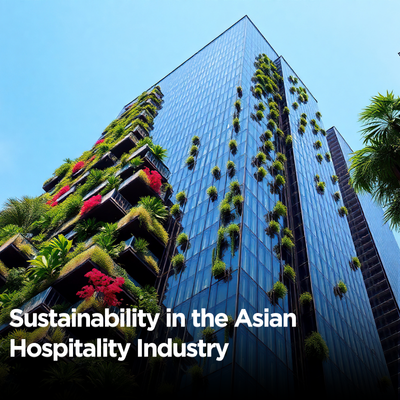
Sustainability is the strategic transformation that will shape the next era of Asian hospitality.
Hotels, resorts, and food service operators across the region are being asked to rethink how they grow, how they serve guests, and how they connect with the communities and ecosystems around them.
The relentless growth of tourism across Asia has created jobs, infrastructure, and cultural exchange, yet it has also intensified environmental pressure and widened social inequities.
As a result, sustainability in the hospitality industry is no longer optional; it is a core pillar of long-term resilience and responsible growth.
This transformation means balancing environmental care, tourism development, community empowerment, eco-friendly hotel operations, sustainable food-service infrastructure, and long-term economic health in every strategic decision.
This guide examines environmental, social, and economic sustainability across the hospitality value chain, from tourism development and community engagement to energy-efficient kitchens and the adoption of renewable energy.
Understanding the Asian Hospitality Landscape

Asia is a global tourism powerhouse, with destinations such as Thailand, Japan, India, Singapore, and China attracting millions of visitors annually.
This influx fuels economic growth, creating jobs, spurring infrastructure development, and contributing significantly to national GDPs.The Asia-Pacific region has reasserted itself as a global tourism powerhouse as arrivals recover from the pandemic: the region recorded approximately 331 million international arrivals, a year-on-year increase.
However, this rapid expansion entails urgent challenges that threaten the very assets travelers come to experience.
Alt-text: asia-pacific-region-travel-growth
Growth of Tourism and Economic Significance
The Asia-Pacific region has reasserted itself as a global tourism powerhouse as arrivals recover from the pandemic: the region recorded approximately 331 million international arrivals last year, a year-on-year increase that brought recovery to about 91% of pre-pandemic levels.
For example:
- Japan recorded a banner year in 2024, with 36.9 million international visitors and a record in international tourist spending, surpassing its 2019 peak.
- Singapore received about 16.5 million international visitors in 2024, a strong rebound that fuels retail, F&B, and hospitality receipts.
- India’s inbound tourism also climbed sharply, with provisional figures showing about 20.7 million international tourist arrivals in 2024.
Beyond arrivals, travel and tourism are a major economic engine: the sector contributes trillions to the global economy and supports hundreds of millions of jobs, underlining why hotels, resorts, and food service operators are central to many national recovery and growth strategies.
Environmental and Social Pressures from Rapid Growth
Rapid tourism and hospitality expansion have produced a tight bundle of environmental and social pressures that often feed on each other:
- Overexploitation of Resources: water, local fisheries, and fragile landscapes can be stressed by heavy visitor volumes and high-consumption facilities.
- Pollution and Waste: single-use plastics, food waste from large food-service operations, and inadequate sewage or solid-waste systems create persistent pollution problems.
- Habitat Degradation: coastal development, unchecked construction, and infrastructure expansion can fragment ecosystems and reduce biodiversity.
- Cultural Commodification and Rising Costs for Locals: popular destinations can experience price inflation, housing pressure, and a loss of authentic livelihoods as communities shift toward tourist-focused services.
These pressures are not merely local concerns; they threaten long-term visitor appeal, increase regulatory and reputational risks for businesses, and increase climate vulnerability across the region.
Sustainability Challenges and Opportunities in the Asian Context
Modern Asian hospitality operates at the intersection of dynamic cultures, resource constraints, and technological innovation. Recognising these challenges reveals opportunities for transformation.
Cultural Sensitivity and Authenticity
Sustainability programs work best when they respect and build on local traditions rather than replace them.
Integrating local crafts, foodways, design languages, and community governance into hotel and resort experiences preserves identity and creates deeper value for guests and hosts alike.
Done well, culturally sensitive sustainability strengthens community buy-in, protects intangible heritage, and creates more authentic visitor experiences.
Infrastructure Development and Resource Constraints
Expanding visitor capacity while protecting landscapes and resources is one of the region’s central tensions.
Many destinations lack wastewater treatment, dependable energy, or resilient transport links, gaps that can be worsened by rapid tourism-driven construction.
The answer is smarter infrastructure: compact, context-appropriate systems that reduce the environmental footprint (e.g., decentralized wastewater solutions, energy-efficient buildings, and local supply hubs).
Role of Technology and Innovation
Technology is an enabler, not a silver bullet. When paired with local knowledge and clear goals, innovations can cut energy and water use, reduce waste, and improve training and guest engagement.
High-level examples include smart building management, real-time waste tracking, precision irrigation and water monitoring, and digital platforms that connect local producers with hotels and food and beverage (F&B) operators.
Environmental Sustainability in Hospitality Operations
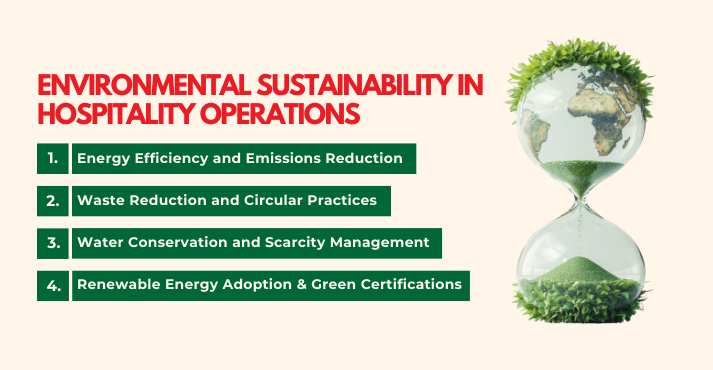
This operational shift forms the backbone of a hotel’s green commitment, creating a direct bridge to the resource-intensive world of food service.
Energy Efficiency and Emissions Reduction
Energy use in hotels is concentrated in a few systems: HVAC, lighting, hot water, and back-of-house services.
Research also shows that kitchens and laundries, while smaller than HVAC in total share, are non-trivial energy consumers (kitchens often represent roughly 5–10% and laundries around 5% of a large hotel’s energy use, though figures vary by property type and services).
Hotels across Asia are also adopting passive cooling measures such as reflective roofs, shading devices, and double‑glazed windows to reduce heat gain.
Waste Reduction and Circular Practices
Reducing single-use plastics, scaling up recycling, and adopting food-waste prevention tactics are core circular practices for hospitality.
The UN Environment Programme and sector roadmaps highlight the tourism sector’s large food-waste footprint and the opportunity to halve avoidable food waste through smarter procurement, portioning, menu design, and donation/composting pathways.
Water Conservation and Scarcity Management
Water stress is a pressing concern across many Asian markets. And some urban hotels use several hundred litres per guest night, and hotels with pools or extensive landscaping can be significantly higher.
According to the World Sustainable Hospitality Alliance, a hotel can use an average of 1,500 litres of water per room per day.
To address this, the Holiday Inn Express Singapore Clarke Quay features high‑efficiency water fixtures and an intelligent building management system, contributing to its Water Efficient Building Certification.
Renewable Energy Adoption and Green Certifications
Renewable energy is playing an increasing role in decarbonising hospitality operations.
From solar installations supporting resort facilities to selective use of wind, geothermal, or renewable grid power, clean energy is increasingly seen as a marker of long-term operational leadership.
Singapore has committed to powering its buildings with 100% renewable energy through traceable Renewable Energy Certificates, aligning with Singapore’s Green Plan 2030.
For example, IHG’s Low Carbon Pioneers programme recognises hotels that are energy efficient, that do not use on‑site fossil fuels, and are backed by renewable energy.
Moreover, third-party frameworks such as LEED or EarthCheck help signal credibility and commitment. At the same time, the real impact comes from integrating renewable energy into everyday decision-making rather than treating certification as an end in itself.
Social Sustainability and Community-Centered Hospitality
Hospitality that lasts must put people first.
Social sustainability centers on respectful community partnerships, fair opportunity, and economic pathways that let local cultures thrive alongside tourism growth.
Community Engagement and Cultural Exchange
Meaningful interactions between guests and locals create value for both visitors and hosts.
Prioritise village visits led by community guides, small-group cultural programs co-designed with local communities, and experiences that allow residents to tell their own stories.
These formats avoid “spectacle” tourism, deepen cross-cultural understanding, and build trust, turning one-off visits into sustained relationships.
Local Empowerment and Ethical Practices
Social sustainability means real benefits for people: decent jobs, on-the-job skills training, clear labor standards, and equitable hiring practices that support gender equality and career pathways.
For example, Banyan Group’s sustainability report highlights measurable gains across climate action, resource efficiency, and community impact.
In 2024, emissions intensity per occupied room declined by 5.7 percent, waste diversion rose to 28 percent through composting, upcycling, and community clean-up initiatives, and water efficiency improved by 5.1 percent following investments in leak detection and rainwater harvesting.
Supporting Local Economies
Buying local reduces transportation emissions and stimulates rural economies.
Hotels can source food from nearby farms, employ local artisans to produce furnishings, and sell community‑made crafts in boutiques. This approach not only lowers carbon footprints but also diversifies income streams for villages.
Additionally, booking tours with local guides and purchasing services from small businesses helps ensure that tourism revenue circulates within the community.
Stakeholder Collaboration and Partnerships for Sustainable Impact
No single entity can drive systemic change. Success requires collaboration between:
- Hospitality brands and local governments
- NGOs and environmental experts
- Community representatives and guests
These partnerships extend to infrastructure investment in secondary and tertiary destinations to disperse visitor flows, thereby mitigating overtourism and promoting equitable growth.
Industry coalitions further amplify impact. Effective collaboration is built on a few simple principles:
- Shared Goals and Metrics: Agree on realistic targets and how success will be measured
- Local Leadership: Let communities lead on cultural or resource issues that affect them most
- Transparent Governance: Open decision-making and clear funding lines build trust
- Flexible, Phased Approaches: Pilot first, learn, then scale; avoid one-size-fits-all solutions
When these elements align, partnerships reduce risk, unlock co-funding, accelerate adoption, and create social license for long-term investments.
For example, hotels and resorts can partner with marine NGOs and fisheries departments to support protected areas, fund reef restoration and turtle-nesting programs, and run guest education and volunteer dive programs.
Importantly, each partnership should be designed to respect local priorities, measure outcomes, and enable local partners to sustain the work once initial funding or technical support ends.
Sustainable Food Service and Kitchen Operations in Hospitality
Commercial kitchens sit at the intersection of guest experience and operational impact.
They are resource-intensive spaces where energy, water, materials, and waste decisions directly affect costs, emissions, and a property’s sustainability credentials.
Why Food Service Sustainability Matters in Hospitality
Commercial kitchens are among the most resource‑intensive areas of a hotel or restaurant. Discarded food results in the waste of resources used in its production, such as electricity, fuel, and labor, leading to economic losses.
Beyond cost, food waste contributes to unnecessary emissions across the supply chain, from transport and storage to preparation and disposal.
Sustainable food service is therefore not merely an environmental responsibility but also a practical lever for operational resilience and long-term profitability.
Energy-Efficient Food Service Equipment
Upgrading food-service equipment is one of the fastest ways to reduce energy use in commercial kitchens, particularly in high-volume hospitality settings.
Here’s how to improve energy efficiency in kitchens:
- Prioritise energy-rated, commercial-grade equipment that reduces cooking times and minimises the need for frequent replacements. Durable appliances lower total lifecycle costs.
- Adopt combination ovens and induction cooktops where appropriate. These technologies heat more quickly, provide better temperature control, and minimise energy losses.
- Replace ageing refrigeration units with high-efficiency models and improve envelope performance by maintaining door seals, optimising layout, and ensuring proper airflow to reduce compressor run time.
These technologies translate into lower utility bills, improved working conditions, and reduced emissions.
Renewable Energy and Energy Management in Commercial Kitchens
Forward-thinking operations are integrating:
- Solar-Powered Kitchens: Using on-site solar arrays to run equipment.
- Smart Energy Management Systems: Zoning kitchen heating and cooling, and scheduling equipment operation during off-peak hours.
- Heat Recovery Systems: Capturing waste heat from kitchen exhaust to preheat water.
These measures reduce operating cost volatility and help kitchens run on cleaner power.
Food Waste Reduction and Composting Solutions
Food waste is both an ethical and economic problem. Here’s how to reduce waste:
- Implementing food waste digesters or dehydrators to reduce volume and create compost.
- Donating safe, surplus food via partnerships.
- Training chefs in root-to-stem cooking and intelligent menu design.
Water-Efficient Food Service Equipment
Key technologies include:
- High-Efficiency Dishwashers with low water-per-rack usage.
- Sensor-Activated Pre-Rinse Sprayers and Faucets.
- Steam-based cleaning systems that use less water than traditional methods.
Reusable and Sustainable Kitchen Materials
Disposable products generate significant waste and costs.
Shifting from single-use to durable alternatives like stainless steel, silicone, and certified biodegradable packaging for takeaways, emphasizing hygiene and lifecycle cost savings.
These materials reinforce the property’s eco‑friendly branding and provide guests with a tangible sustainability experience.
Sustainable Culinary Practices and Responsible Dining

The philosophy of the kitchen extends to the plate, creating powerful guest experiences.
Local, Organic, and Ethical Sourcing
Responsible dining begins with procurement. Sourcing ingredients from local farmers reduces transportation emissions and supports regional economies. Many Asian resorts partner with organic farms to grow fruits, vegetables, and herbs on‑site or nearby.
For example, the Banyan Group sources 15% of its seafood from sustainable fisheries and aims to serve 100 % cage‑free eggs by 2030.
Such sourcing strategies enhance storytelling: menus can highlight farm names, fishermen cooperatives, and artisanal producers, giving guests a sense of place.
Reducing Food Waste Through Culinary Design
Chefs play a crucial role in waste reduction. Creative kitchens employ:
- Menu Engineering: Featuring flexible dishes that utilize trim and by-products.
- Portion Control: Offering varied portion sizes.
- Preservation Techniques: Pickling, fermenting, and curing to extend ingredient life.
For example, vegetable trimmings can flavour stocks or sauces, and stale bread can be transformed into breadcrumbs or croutons.
Educating Guests Through Dining Experiences
Dining is one of the most effective ways to engage guests with sustainability because it is personal, sensory, and memorable.
Food choices naturally invite curiosity, making the dining experience a powerful platform for awareness without disrupting enjoyment.
Here’s how hospitality brands can educate guests through dining:
- Menus as Learning Tools: Highlight local, seasonal, or responsibly sourced ingredients with short, clear descriptions that explain why they matter.
- Storytelling at the Table: Share ingredient origins, producer stories, or cultural food traditions through service staff, menu notes, or QR-linked content.
- Immersive Dining Formats: Use farm-to-table events, zero-waste tastings, or chef-led experiences to demonstrate sustainable practices in action.
- Visible Sustainability Cues: Showcase reduced-waste plating, reusable serviceware, or open kitchens that reflect responsible preparation methods.
Positioned this way, dining becomes a sustainability touchpoint rather than a message campaign.
Overcoming Sustainability Challenges in Asian Hospitality
Sustainability in Asian hospitality is not limited by intent, but by execution.
Diverse cultural contexts, uneven infrastructure, and cost pressures can slow adoption, even as expectations from guests, regulators, and investors rise.
Recognising these challenges clearly is the first step toward developing workable, long-term solutions.
Key Roadblocks
Several recurring barriers shape sustainability efforts across the region:
- Cultural Resistance: Sustainability initiatives may conflict with long-standing traditions or operational habits if not adapted to local norms.
- Economic Constraints: Upfront costs and tight margins can delay investment, particularly for small and mid-sized operators.
- Awareness Gaps: Limited understanding among staff, suppliers, or guests reduces participation and follow-through.
- Infrastructure Limitations: Gaps in energy, water, waste, and transport systems restrict what individual properties can achieve alone.
Practical Strategies for Long-Term Success
Addressing these roadblocks requires clear priorities and pragmatic planning:
- Cultural Integration Over Imitation: Align sustainability practices with local customs and ways of working rather than copying global templates.
- Long-term Cost-benefit Analysis: Evaluate investments based on lifecycle savings, risk reduction, and brand value, not just initial cost.
- Guest and Staff Education: Build awareness through simple training, clear communication, and visible practices that encourage participation.
- Infrastructure Investment through Partnerships: Collaborate with governments, NGOs, and suppliers to share costs and scale impact.
Together, these strategies help hospitality operators move from isolated initiatives to durable, context-appropriate sustainability programs that deliver environmental, social, and economic value.
Leading Sustainability Success Stories in Asia
Several Asian hospitality pioneers show that sustainability is compatible with luxury and profitability.
1. Soneva
Soneva positions itself as a “beyond profits” business; its philosophy is that companies should serve a greater purpose than shareholder returns.
The brand emphasises responsible sourcing, waste‑to‑wealth practices, and partnerships with local communities.
Also, waste glass and aluminum are upcycled into artwork and building materials, while organic waste is composted for the resort’s gardens.
2. Banyan Tree Group
The Banyan Group’s sustainability report highlights a 5.7% reduction in emissions intensity per occupied room, a 28% waste diversion rate, and a 5.1% improvement in water efficiency.
The group supports 306 artisan communities and invests in youth education through its “Seedlings” programme. It sources sustainably harvested seafood and is moving toward cage‑free eggs, exemplifying ethical sourcing.
Also, the Banyan Gallery upcycles plastic bottle caps and fishing nets into merchandise and uniforms, demonstrating innovative circular-economy solutions.
3. Six Senses
Each Six Senses property employs a Director of Sustainability and houses an Earth Lab that tracks energy and waste, converts scraps into compost, and runs organic gardens.
The company allocates 0.5% of its revenue to local projects addressing healthcare, education, and environmental conservation.
Six Senses’ mission extends beyond environmental stewardship to holistic wellbeing for hosts, guests, and communities, making it a benchmark for sustainable luxury.
Future Outlook: The Green Vision for Asian Hospitality
The next decade will redefine hospitality. Asia’s position as a tourism powerhouse means that its actions will shape global sustainability trends.
However, the region’s future competitiveness will depend on how well it balances visitor demand with environmental limits, social equity, and long-term economic resilience.
Technology will act as a major accelerator. Artificial intelligence will optimise energy and demand management, predictive analytics will help kitchens reduce food waste before it occurs, and digital traceability tools, such as blockchain, can strengthen trust in responsible sourcing.
As renewable energy costs continue to fall and policy incentives expand, clean power will shift from pilot projects to standard infrastructure.
Moreover, design innovation will also advance, with bioclimatic architecture, vertical greenery, passive cooling, and smart water networks becoming integral features of urban hotels and resort developments.
Achieving this vision requires collective responsibility. Communities, in turn, need to be active co-creators, ensuring tourism enhances local livelihoods, culture, and quality of life rather than displacing them.
Conclusion: Building a Sustainable Legacy for Generations
The Asian hospitality sector is uniquely positioned to show that sustainability is both a competitive advantage and an ethical responsibility.
By embracing sustainability in the hospitality industry as a foundational principle, hotels and resorts can deliver experiences that delight guests while protecting ecosystems and strengthening local communities.
Across the region, opportunities to lead are clear. From energy-efficient HVAC systems and the adoption of renewable energy to responsible tourism in Asia, initiatives rooted in community partnerships and cultural preservation are already reshaping how destinations grow.
Eco-friendly hotel operations, such as waste reduction and water conservation, must be matched by an equal focus on sustainable food-service equipment and energy-efficient commercial kitchens that reduce resource use behind the scenes.
That said, when tourism, the environment, and society move in harmony, hospitality becomes a force for long-term value rather than short-term gain.