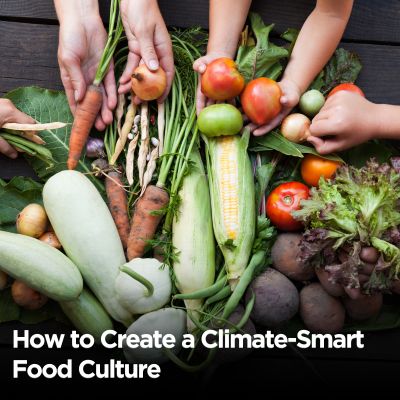
Climate change and sustainability are becoming real concerns for the hospitality industry. Restaurants and hotels are now expected to play their part in reducing environmental harm, especially through how they handle food.
Building a climate-smart food culture means making thoughtful choices at every stage, from sourcing ingredients to managing leftovers, supporting both the planet and your business.
Food waste is one of the most urgent problems. Around 30% of all food goes to waste each year, which not only affects profit margins but also adds to environmental damage. Wasted food leads to unnecessary use of land, water, and energy, and increases greenhouse gas emissions.
More guests today care about responsible food practices. Many millennials and Gen Z diners prefer places that use local produce, avoid waste, and support ethical farming. These choices matter to them and often influence where they choose to eat.
What Does a Climate-Smart Food Culture Mean for Hospitality?
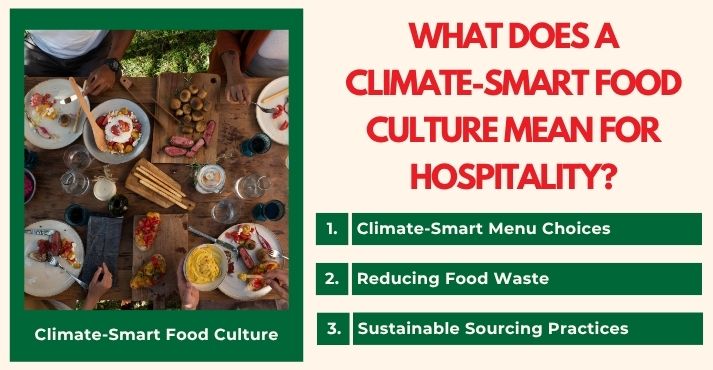
A climate-smart food culture in hospitality means making responsible choices that reduce environmental impact while still delivering quality, taste, and value to guests.
It is not limited to adding a few sustainable items to the menu. Instead, it requires consistent efforts across sourcing, preparation, service, and waste management.
For restaurants, hotels, and caterers, this means aligning daily operations with sustainable food practices in the hospitality industry.
Adopting sustainable food practices helps reduce waste, conserve resources, and meet guest expectations around environmental responsibility.
The UN Environment Programme’s Emissions Gap Report 2024 warns that global greenhouse gas emissions must fall 42% by 2030 to keep warming below 1.5 °C — otherwise the world is headed toward 2.6‑3.1 °C warming. This makes action in food systems urgent.
1. Climate-Smart Menu Choices
One of the most effective ways to support climate goals is through careful menu planning.
Climate-smart menu options prioritize ingredients that are both nutritious and environmentally friendly. This often includes more plant-based dishes and a stronger focus on locally sourced produce.
Menus built around sustainable sourcing help lower the carbon footprint associated with long-haul transportation and industrial farming.
Seasonal menus, which make use of ingredients harvested at their peak, also reduce reliance on energy-intensive storage and shipping. Choosing local and seasonal foods supports nearby communities while offering guests fresher, more flavorful meals.
2. Reducing Food Waste
Minimizing food waste is essential for climate-smart kitchen operations. This includes making full use of ingredients, such as vegetable stems in stocks or fruit skins in garnishes, and training staff to portion efficiently and store items correctly.
Restaurants can also benefit from digital systems that track food usage and highlight where waste occurs most often. By analyzing this data, kitchens can adjust ordering patterns and reduce overproduction.
Some establishments are turning to composting or donating surplus food as part of their waste-reduction plans. These practices not only cut costs but also contribute to a more responsible food system.
At NH Collection Dubai The Palm, a large hotel in the UAE, management introduced the Winnow food waste monitoring system. Using real-time data, chefs and managers were able to identify waste patterns and implement operational changes.
3. Sustainable Sourcing Practices
Choosing the right suppliers has a direct effect on the environmental footprint of any food service business.
Hospitality operators are increasingly working with producers who follow sustainable farming methods, such as crop rotation, reduced pesticide use, and soil conservation techniques. These practices help preserve ecosystems and reduce greenhouse gas emissions.
Building relationships with local suppliers also reduces transportation emissions and keeps more value within the community. Climate-smart sourcing is not only about what is purchased, but also about how and from whom.
Supporting farmers who invest in long-term soil health and water efficiency helps build climate resilience and encourages ethical food production.
Key Benefits of Adopting a Climate‑Smart Food Culture
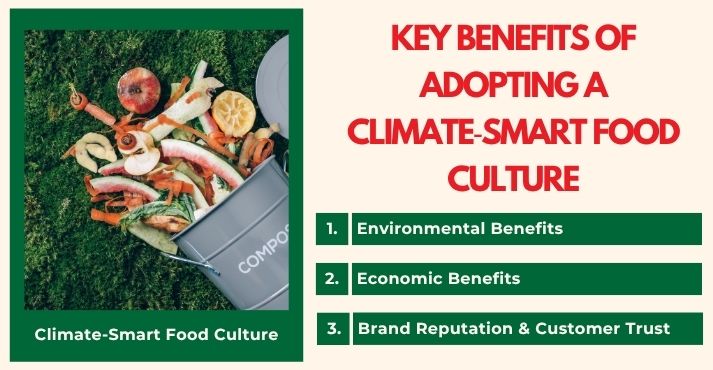
Building a climate-smart food culture helps both the environment and the bottom line. It lowers emissions, reduces waste, and shows guests you care about the bigger picture.
1. Environmental Benefits
Menus that highlight seasonal and plant-based ingredients naturally support a more sustainable foodservice industry.
Local sourcing reduces the need for long-distance transportation and energy-intensive storage, while plant-based options generally use fewer natural resources than meat-heavy dishes.
Simple operational changes, like replacing plastic packaging with compostable alternatives or encouraging reusable containers, help limit landfill waste and reduce environmental harm.
These everyday choices, when made consistently, add up to a greener, more responsible dining model.
2. Economic Benefits
Less waste means lower costs. Better inventory control, smarter ordering, and using regional produce reduce both food bills and disposal expenses.
Energy-efficient equipment also helps. Kitchens that invest in low-energy appliances use fewer resources and pay less in the long run. Buying from local or eco-conscious suppliers can also bring bulk discounts and lower shipping costs.
These steps not only save money but also promote sustainability in kitchen equipment and ingredient sourcing.
3. Brand Reputation and Customer Trust
Today’s diners care about how food is made and where it comes from. Showing clear actions on climate and sustainability builds trust. Guests are more likely to return to places that reflect their values.
Restaurants that cut waste, explain their sourcing, and use eco-friendly materials often stand out and earn stronger word-of-mouth. It’s not just about food — it’s about making a difference.
How to Build a Climate-Smart Food Culture in Your Hospitality Business
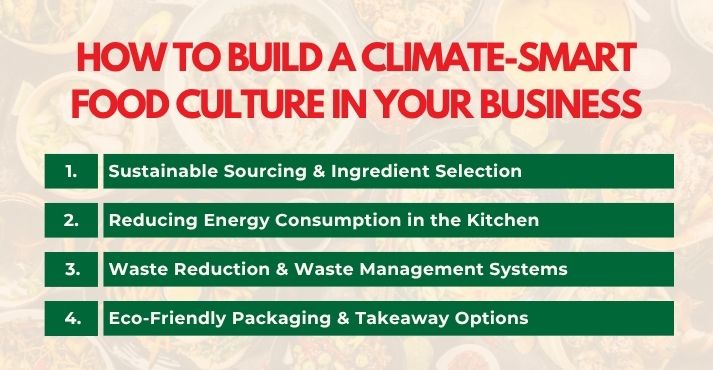
Creating a climate-smart food culture requires practical changes in sourcing, operations, waste handling, and customer engagement.
With rising interest in sustainable practices, hospitality businesses that align with eco-friendly food trends help protect the environment while meeting the growing expectations of customers.
1. Sustainable Sourcing and Ingredient Selection
Focus on local, seasonal, and sustainably produced ingredients. Whether it’s organic vegetables, plant-based proteins, or fair-trade coffee, smart sourcing choices can help lower emissions and show customers your commitment to responsible practices.
For instance, The Luxury Collection by Marriott collaborated with MAD Academy to train chefs on sustainable kitchen practices.
After the program, chefs began using locally available buffalo meat, goat cheese, and even foraged herbs, developing menus that reflected both regional flavors and environmental responsibility.
And customers are paying attention: research shows that consumers are ready to pay 9.7% more for products that are sustainably sourced or produced.
2. Reducing Energy Consumption in the Kitchen
Kitchen operations account for a large portion of a hospitality business’s energy use. Simple updates like replacing outdated appliances with energy-efficient models, using induction cooktops, and maintaining proper ventilation systems can reduce energy usage.
Regular servicing of refrigeration equipment ensures that it operates efficiently and prevents energy waste. Even adjusting cooking techniques and batch sizes can lead to lower energy demand without compromising service quality.
3. Waste Reduction and Waste Management Systems
Minimizing food waste begins with accurate forecasting, portion control, and adequate staff training. Hospitality businesses should implement structured waste management systems that include recycling, composting, and donation of excess edible food.
Educating employees on reducing spoilage and segregating waste enhances compliance and prevents waste from being sent to landfills. Involving staff in these practices helps reinforce a culture of sustainability and environmental consciousness throughout the organization.
4. Eco-Friendly Packaging and Takeaway Options
With the rise in takeout and delivery, packaging decisions now have a direct impact on the sustainability of a foodservice operation.
Switching to recyclable or compostable materials helps reduce waste from single-use plastics. Offering incentives to customers who bring reusable containers can further reduce environmental impact.
The demand for environmentally responsible packaging is rising fast. The sustainable packaging market was valued at over $270 billion in 2024 and is projected to reach $490 billion by 2034.
Selecting the right packaging is also an opportunity to apply menu psychology. Highlighting climate-friendly dishes or properly labeling low-impact options on takeaway menus can guide choices without being intrusive, encouraging eco-conscious decisions.
Overcoming Challenges in Building a Climate‑Smart Food Culture
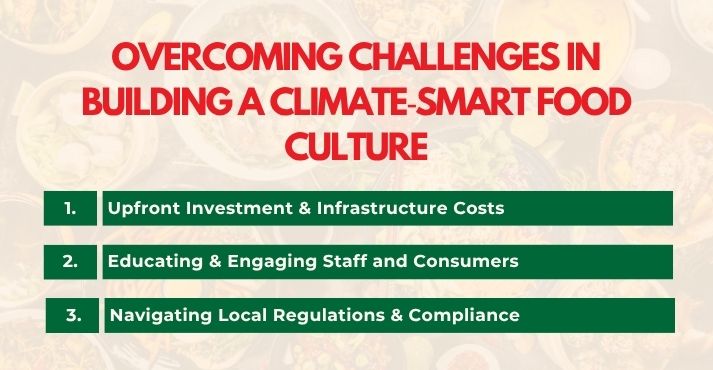
Implementing a climate-smart food culture comes with its own set of hurdles. Cost, training, regulations, and operations can all hinder meaningful change. But each challenge also brings opportunity when approached with intention and planning.
1. Upfront Investment and Infrastructure Costs
Moving to more sustainable practices often means investing in new equipment, sourcing changes, or facility upgrades. These upfront costs can seem daunting, especially for smaller operations.
However, long-term benefits, like lower utility bills, reduced food waste, and streamlined inventory, add up over time.
One practical step is to prioritize upgrades based on ROI. For example, switching to induction cooktops or low-flow faucets can reduce daily expenses while also cutting emissions.
2. Educating and Engaging Staff and Consumers
Staff and guests are essential allies in any sustainability effort. Investing in training helps employees understand how small actions, such as portion control or energy-saving habits, can make a significant difference.
Meanwhile, simple efforts to educate diners, such as menu notes about seasonal dishes or signs about composting, help build awareness and encourage sustainable choices. This ongoing dialogue helps embed a climate-conscious food culture where everyone plays a part.
3. Navigating Local Regulations and Compliance
Hospitality businesses must stay updated with laws around food safety, waste disposal, and recycling. Some local governments are tightening rules on waste segregation or single-use plastics.
Monitoring regulatory trends allows businesses to prepare in advance, avoiding penalties and positioning their commercial kitchen as a leader in compliance.
Collaborating with local associations and industry groups also helps restaurants anticipate changes and adopt best practices ahead of regulatory requirements.
Real-World Examples of Climate-Smart Food Culture in Hospitality
These case studies show how restaurants and hotels are putting climate-smart ideas into action, improving their operations and inspiring others.
The Green Solution House (Denmark)
Located on Denmark’s Bornholm Island, Green Solution House combines sustainability with hospitality. It operates on the concept of circular sustainability, featuring a pyrolysis system that converts kitchen food scraps into energy and fertilizer for its in-house gardens.
Solar panels, vertical gardens, algae-based wastewater treatment, and recycled building materials all help close the loop between food and resources. Guests even control lighting and ventilation through a room app, which also tracks water and energy use.
Nobu Hotels (Global)
Nobu Hotels are integrating sustainability throughout their operations. Many properties use waste-tracking systems to eliminate landfill trash, bulk-buy to reduce deliveries, promote plant-based menus, and minimize single-use plastics.
For instance, Nobu Hotel Barcelona has achieved BREEAM-certified eco credentials, reducing water use by 16%, electricity use by 29%, and gas use by 23%, all while boosting occupancy.
Zero Waste Bistro / Restaurant Nolla (NYC Pop-up)
This pop-up dining experience, crafted by Helsinki’s Restaurant Nolla, embodied zero-waste design and gastronomy. It used recycled drink cartons and plastic in its entire decor, including tables and chairs.
The tasting menu was completely free of packaging, sourced locally, and built on a “refuse, reduce, reuse” model.
Harbour House Inn (California, USA)
This fine-dining restaurant operates with a zero-food-waste philosophy. It grows much of its organic produce on-site and runs its own composter to return organic waste into the ecosystem.
The restaurant earned both a Michelin star and a Michelin Green Star for its eco-friendly practices.
ReThink Disposable Initiative (Fruitvale, California)
In Oakland’s Fruitvale neighborhood, five restaurants joined a program called ReThink Disposable, replacing single-use dine-in ware with reusable alternatives.
They avoided over 187,600 pieces of disposable foodware and saved more than 3,240 pounds of waste annually. The switch paid for itself in under three months, while also cutting costs and reducing plastic waste.
These stories show how climate-smart strategies, from energy loops and local sourcing to waste-free design and reusable tableware, can help build a more sustainable hospitality sector.
The Future of Climate-Smart Food Culture in Hospitality
As climate concerns intensify and global dining preferences change, the hospitality industry faces increasing pressure to implement long-term sustainable strategies.
Climate-smart food culture is no longer limited to a small group of early movers; it is now a critical part of running a responsible and competitive business.
Moving forward, technological advancements, changing customer expectations, and formal industry standards will likely influence how sustainability is managed across the sector.
The Role of Technology in Food Sustainability
Restaurants and hotels are increasingly investing in digital infrastructure to reduce waste and improve operational efficiency.
For example, Internet of Things (IoT) sensors now help monitor refrigeration units to prevent spoilage, while smart meters track energy and water usage in real time.
Food waste tracking systems, such as those offered by Winnow and Leanpath, allow kitchens to identify high-waste ingredients and modify purchasing accordingly.
These innovations are making it easier for food businesses to build smart kitchens that monitor and optimize daily operations.
More operators are using technology in restaurants to schedule cooking cycles, maintain equipment efficiency, and reduce energy loads during off-peak hours, resulting in lower emissions and cost savings.
Increasing Consumer Demand for Sustainable Dining Options
Today’s diners increasingly value transparency and environmental accountability. According to industry surveys, a significant portion of consumers say they are willing to pay more for meals that are sustainably sourced or part of a reduced-impact menu.
This trend is pushing the restaurant industry to reimagine traditional menus, incorporating more plant-based items, locally grown produce, and carbon-labeled dishes.
Global hotel brands and independent restaurants alike are responding by offering green dining solutions that reduce their carbon footprint while appealing to environmentally aware guests.
These efforts also enhance the guest experience, with many travelers now factoring sustainability into their booking decisions.
Evolving Sustainability Standards and Certifications
Governments and industry bodies are setting more stringent benchmarks for sustainability. Certifications like Green Key, LEED, and EarthCheck are increasingly used as trust signals for eco-conscious customers.
For hospitality businesses, compliance means more than meeting environmental standards. It also influences procurement decisions, staff training programs, and marketing strategies.
As the industry evolves, sustainability reporting will become increasingly granular and transparent.
Operators will need to align their practices with regulatory expectations while also using data to communicate their efforts credibly. These frameworks will further drive climate-smart behaviors across the sector.
Conclusion
Creating a climate-smart food culture brings strong benefits to the hospitality sector. It helps reduce waste, conserve energy and water, and lower overall costs.
At the same time, it appeals to guests who value sustainability and prefer dining at places with responsible food practices. This approach strengthens the guest experience and builds long-term loyalty.
It also supports brand credibility by showing a commitment to thoughtful sourcing, waste reduction, and efficient operations.
As expectations around environmental responsibility continue to rise in the industry, now is the time to take meaningful steps. Businesses that invest in sustainable choices today will be better equipped to remain competitive and meet future demands.