Social media has quickly become the platform where new food ideas are noticed and shared. Platforms like Instagram, TikTok, and YouTube showcase a wide range of dishes, from vibrant desserts to quick and easy recipes, making it easy to discover something new.
In 2024, 69% of Gen Z consumers reported discovering new products or brands through social media influencers. This shows the significant influence these platforms have on what people want to eat and buy.
In Southeast Asia, food is more than just a meal — it’s part of culture and daily life. Social media makes it easier for people to share their favorite dishes and discover new flavors from across the region and beyond.
For restaurant owners, food brands, and marketers, staying up-to-date with social media food trends means understanding what customers are excited about.
It helps them create dishes that appeal to current tastes and find better ways to share their story online.
Today, sharing great food online matters just as much as how it tastes when it comes to attracting attention and growing a business.
How Influencers and Creators Drive Food Innovation
In Southeast Asia, food influencers, chefs, and creators have become important in introducing new dishes, recipes, and food ideas.
Their posts and videos capture attention because they show food in a way that feels both fun and relatable. This helps new food trends catch on faster than ever before.
Influencer-Led Food Trends
Some Gen Z food trends that took off thanks to social media include:
- Dalgona Coffee: This whipped coffee became popular because it’s easy to make at home and looks cool on video. It first went viral during the early days of the pandemic and continues to appear in food content.
- Cloud Bread: A soft, fluffy bread that got popular on TikTok because of its light texture and pretty colors.
- Freakshakes: These are milkshakes loaded with sweets like candy, cookies, and whipped cream — perfect for eye-catching photos and videos.
In Southeast Asia, local influencers have helped create popular food trends too:
- Vindy Lee’s Etiquette Videos: Indonesian chef Vindy Lee shares tips on how to eat traditional dishes like Nasi Padang properly. Her videos mix food with culture and have reached millions.
- TikTok Food Challenges: In countries such as Thailand and Vietnam, people take on challenges like recreating classic dishes with a twist or cooking with limited ingredients. These challenges often go viral, attracting a large number of people.
These examples show how food influencer marketing helps bring new flavors and ideas to people. Instagram’s food culture and the online food scene in Southeast Asia help these trends reach a wide audience and inspire them to try new dishes.
Platform Spotlight: TikTok’s Explosive Food Trend Cycle
TikTok has changed how food trends start and spread, providing a platform where creativity and viral sharing come together.
Its mix of short videos, user creativity, and a strong algorithm has helped make it a popular place for sharing and discovering new food ideas.
Why TikTok Is Uniquely Powerful in Creating Viral Food Sensations
TikTok’s algorithm promotes content based on user engagement, allowing videos to go viral quickly. This way of sharing content enables new creators to reach a large audience, helping food trends spread more quickly.
The platform’s emphasis on visual storytelling enhances the appeal of food content, making it both informative and entertaining.
TikTok Food Trends: From Pancake Cereal to Nature’s Cereal
- Pancake Cereal: This trend involves making mini pancakes and serving them in a bowl with syrup and butter, mimicking the traditional cereal experience. It gained popularity due to its playful presentation and the novelty of combining breakfast foods in an unconventional way. The trend inspired many people to experiment with various toppings and flavors.
- Nature’s Cereal: Introduced by TikTok user @natures_food, this trend features a bowl of fresh berries topped with coconut water, offering a refreshing twist on traditional cereal. The simplicity and health-conscious appeal of Nature’s Cereal resonated with many, leading to widespread adoption. Celebrities like Lizzo further amplified their popularity by sharing their versions on social media.
These trends show how TikTok food trends quickly catch on with people, leading many to join in and try them out.
Impact on Product Launches and Restaurant Menus
TikTok’s influence on the food industry reaches far past home kitchens. Restaurants and food brands have noticed how the platform influences what people want and have adjusted their offerings accordingly.
For instance, several fast-food chains have incorporated viral TikTok recipes into their menus. Chipotle introduced a Fajita quesadilla after it gained popularity through TikTok videos, and Starbucks added the “Pink Drink” to its menu following its viral success on the platform.
These adaptations highlight how TikTok can increase demand and influence the products offered in the food industry.
Furthermore, the rapid spread of food trends on TikTok has led to a surge in demand for specific ingredients. The popularity of Nature’s Cereal, for example, contributed to a surge in coconut water sales as consumers sought to recreate the trend at home.
In Southeast Asia, where food culture is rich and diverse, TikTok has become a significant platform for culinary innovation.
Local influencers and creators use the platform to share regional dishes, fusion recipes, and cooking techniques, thereby helping to spread culinary ideas worldwide.
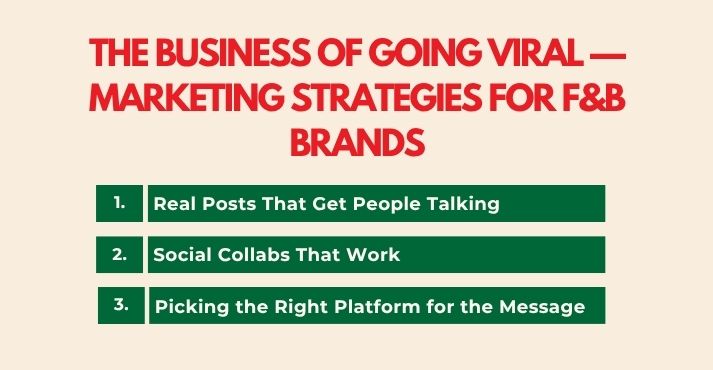
The Business of Going Viral — Marketing Strategies for F&B Brands
In Southeast Asia’s competitive food and beverage scene, social media has become one of the most effective ways for brands to grow.
Through hashtag campaigns, real customer posts, and creator collaborations, food businesses are reaching a wider audience and turning attention into actual sales.
Real Posts That Get People Talking
User-generated content, such as posts from everyday people, adds credibility that traditional ads can’t match. When someone shares their meal or experience online, it feels honest and relatable.
Hashtag campaigns help these posts reach even more users by connecting them under one searchable phrase.
During the 11.11 mega-sale in Malaysia, the brand Nattōme used Facebook Messenger to interact directly with potential customers.
They ran simple, targeted ads and saw a significant increase in conversions by focusing on engagement rather than flashy campaigns.
Social Collabs That Work
Partnering with creators helps brands introduce their food to wider audiences. In Singapore, Sentosa teamed up with 16 influencers to promote its food festival. Each one shared their experience with their followers, which helped create buzz around the event.
Unilever also launched a regional campaign across Southeast Asia by working with hundreds of micro-influencers. These creators made content around the company’s food products, boosting visibility and conversation across the region.
Picking the Right Platform for the Message
Different platforms work better for different strategies:
- TikTok: Short, fast-paced videos help food brands spark trends. TikTok food challenges, for example, invite users to try recipes or recreate menu items, turning viewers into active participants.
- Instagram: The visual nature of Instagram makes it the go-to platform for showcasing Instagrammable food. Brands use Reels to spotlight new dishes or behind-the-scenes kitchen moments.
- Facebook Groups: These tight-knit communities are ideal for discussions around daily meals, such as ready-made meals or popular quick-service restaurants. Brands can engage directly with their most loyal customers here.
From creator posts to smart use of platform tools, F&B brands across Southeast Asia are learning that going viral isn’t just about luck. It’s about showing up where the conversations are already happening.
Consumer Behavior Shifts Due to Social Media
Social media has changed the way people in Southeast Asia discover, choose, and talk about food.
From scrolling through Instagram to checking food reviews on TikTok, digital platforms are now part of the everyday decision-making process, especially when it comes to where and what to eat.
The Visual Appeal of Food
With the rise of platforms like Instagram and TikTok, food has become just as much about how it looks as how it tastes. Diners today often pick dishes that are colorful, well-presented, and worth posting online.
The idea of “Instagrammable food” has become a selling point. Restaurants now put more effort into how their food appears on camera, not just on the plate.
In Southeast Asia, this has led to an increasing focus on food content creation, with chefs, home cooks, and even casual diners sharing eye-catching meals that often garner viral attention.
According to Mintel, younger consumers are drawn to food with interesting colors, textures, or packaging, especially when it stands out in photos. Items like Aice’s chocolate mochi ice cream and vibrant fruit-flavored ice sticks are created with this in mind.
Social Proof and Restaurant Choices
More people rely on online reviews and influencer content before trying a new spot. A 2025 report by NielsenIQ found that 59% of Asia-Pacific consumers discover new products through social platforms, and nearly the same number say it leads them to buy online or visit a store.
That kind of influence is powerful among younger age groups. They trust what others say online more than traditional ads. A recommendation in a TikTok video or a tagged post can lead more people to visit a restaurant or try a product for themselves.
Delivery Apps and Online Reviews
Food delivery apps like GrabFood, Foodpanda, and ShopeeFood are now a regular part of how people discover and enjoy new dishes. Most of these apps allow users to rate meals and share feedback, which often influences others when deciding what to order.
These apps aren’t just about speed but also a part of the digital food culture. People browse them the same way they scroll through social media, reading comments and checking photos before making a choice.
Quick service restaurants and ready-made meals benefit the most, offering convenience to busy customers while keeping up with visual trends.
Craving Something New
Social media has also raised the bar for what people expect from food. Beyond taste and convenience, they want something they’ve never seen or tried before.
Fusion dishes, unexpected combinations, and limited-time offers quickly catch attention. And once one person posts about it, others follow.
This curiosity, combined with ease of access through apps and delivery services, has changed how consumers approach meals. They’re open to exploring, but also want that sense of comfort and speed that convenience food brings.
Challenges and Risks of Social Media-Driven Food Trends
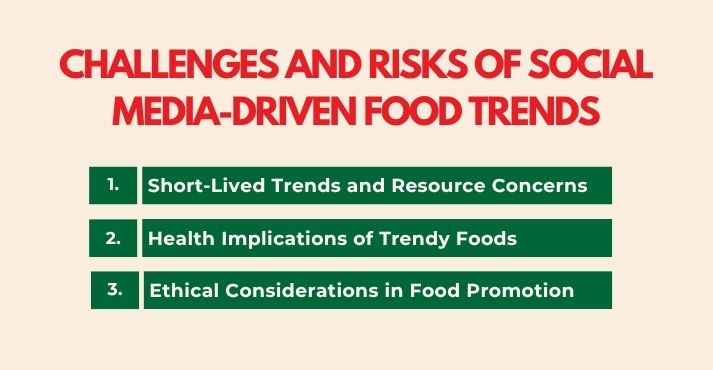
Social media moves fast, and that can create problems for both customers and food businesses. Below are some common challenges that come with chasing what’s popular online.
1. Short-Lived Trends and Resource Concerns
Viral food trends don’t last long. When something becomes popular quickly, businesses may rush to meet demand, only to see interest drop just as fast. This can lead to food waste, especially when large batches are made but not sold.
2. Health Implications of Trendy Foods
Many viral food items prioritize visual appeal over nutritional value. The promotion of such foods, especially those high in sugar, salt, and unhealthy fats, can have a negative impact on dietary habits.
This is concerning for younger audiences who are more impressionable and likely to pick up unhealthy eating habits they see online.
3. Ethical Considerations in Food Promotion
The marketing of unhealthy foods on social media raises ethical questions. Influencers and brands often promote products without clear disclosures, making it challenging for consumers to distinguish between genuine recommendations and paid promotions.
This lack of transparency can lead to misguided food choices and prompt people to question the reliability of information they see online.
How Restaurants and Food Brands Can Adapt Sustainably
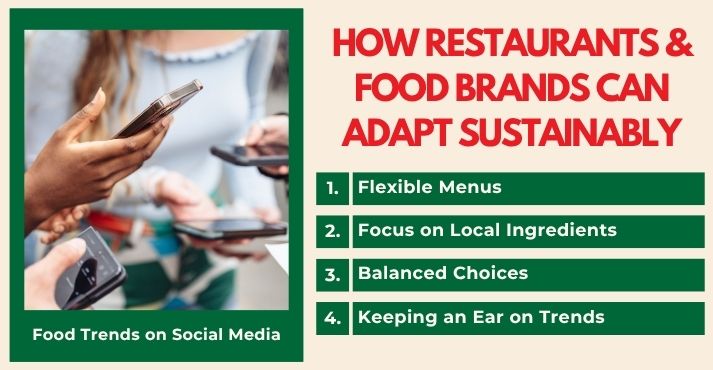
Keeping up with rapidly changing social media food trends can be challenging. However, restaurants and food brands can strike a balance between trying new things and maintaining responsibility.
1. Flexible Menus
Changing menus quickly and thoughtfully allows businesses to test out trendy items without overcommitting to large quantities. This helps avoid waste and keeps kitchens from being overwhelmed.
It also gives chefs the freedom to experiment and respond to what customers are excited about without risking too much upfront.
2. Focus on Local Ingredients
Using ingredients from local farmers and producers means dishes are fresher and more seasonal. It also lowers transportation emissions, which helps reduce environmental impact.
Supporting sustainable farming practices encourages the responsible use of resources and protects local ecosystems.
Many diners today want to support local communities and enjoy authentic flavors from their region, so using these ingredients can help make a menu more appealing.
3. Balanced Choices
While it’s great to include popular, eye-catching dishes, it’s equally important to keep a solid base of nutritious and classic options. This ensures health-conscious customers aren’t left out and builds a loyal customer base that appreciates consistent quality alongside new offerings.
4. Keeping an Ear on Trends
Social listening tools and monitoring social media conversations can give restaurants early insight into what’s gaining attention.
By paying attention to customer feedback and online chatter, brands can plan product launches or marketing campaigns that fit the moment without rushing blindly after every fad.
By following these steps, food businesses can keep up with social media trends while being thoughtful about health, the environment, and their customers. This balance helps them stay relevant and trusted in a fast-moving market.
Future Outlook: Social Media’s Role in Shaping SEA Food Culture
Social media is changing how people in Southeast Asia find and enjoy food. New tools, such as augmented reality (AR) filters, are making food marketing more interactive. For example, users can see a virtual version of a dish on their table or try on a chef’s hat before ordering. Shoppable videos enable viewers to purchase food products directly from a clip, all within the app. These features help brands connect with customers in new ways and boost sales.
The role of influencers is moving towards a focus on honesty and genuine experiences, rather than just promoting products. Food creators who share behind-the-scenes moments or personal stories gain more trust.
Food brands can benefit by focusing on genuine interactions and building relationships with customers, which encourages repeat business.
In Southeast Asia, food marketing is moving toward strategies that improve customer experience by responding quickly to feedback and offering clear information about ingredients and sourcing.
Using social media carefully can help brands build trust and encourage long-term loyalty.
Food brands that honor local food traditions while utilizing innovative online engagement strategies will achieve greater success.
Whether through interactive content, collaborating with trusted voices, or responsible marketing, businesses can grow by keeping close to their audience as things change quickly.
FAQ’s About Social Media Food Trends
What is a viral food trend?
A viral food trend is a dish, recipe, or food concept that quickly gains widespread attention on social media platforms. These trends often go viral because of their visual appeal, uniqueness, or the participation of influencers and content creators. In 2025, trends like TikTok’s Nature’s Cereal and Pancake Cereal show how quickly creative food ideas can capture global attention.
How do TikTok food trends start?
TikTok food trends usually begin with short, engaging videos shared by creators, influencers, or everyday users. The platform’s algorithm promotes content based on engagement—likes, shares, comments, and watch time—allowing innovative recipes or visually striking dishes to reach millions. Challenges, tutorials, and creative plating often drive trends, encouraging viewers to recreate and share their versions.
Which social media platform is best for food marketing?
The best platform depends on the brand’s goals:
-
TikTok: Ideal for viral, short-form content and food challenges that encourage audience participation.
-
Instagram: Perfect for visually appealing dishes, Reels, and Stories to showcase Instagrammable food.
-
Facebook Groups: Effective for community engagement and targeted discussions around meals or local restaurants.
-
YouTube Shorts: Great for step-by-step recipe videos and long-term discoverability.
Do social media trends affect restaurant menus?
Yes, social media trends strongly influence restaurant offerings. Viral dishes often inspire menu updates or limited-time specials to attract customers. For example, TikTok trends like the Fajita Quesadilla and Starbucks Pink Drink led restaurants and cafés to adapt their menus to meet rising demand. Staying aware of these trends helps businesses remain relevant and engage with digitally savvy diners.
Why are Instagrammable foods important for restaurants?
Instagrammable foods are visually striking dishes designed to encourage social sharing. They attract customers who value aesthetics as much as taste, increasing brand visibility online. In Southeast Asia, restaurants that focus on presentation and colorful plating often see higher social engagement, word-of-mouth promotion, and repeat visits.
How can F&B brands safely follow food trends without wasting resources?
Restaurants and food brands can adopt flexible menus, test trending items in small batches, and focus on local, seasonal ingredients. Monitoring social media chatter and customer feedback helps businesses decide which trends are worth pursuing while minimizing waste and maintaining quality.
Conclusion
Social media has accelerated the spread of food trends, making it easier for new dishes and products to gain attention quickly.
This presents great opportunities for brands and restaurants to connect with their customers. But trends also come and go quickly, which can lead to wasted resources if not handled carefully.
To succeed, food businesses should balance jumping on trends with focusing on sustainability and quality. Using local ingredients, offering healthy options, and listening to customer preferences helps build lasting loyalty.
Thoughtful marketing that respects both people and the environment creates stronger connections and long-term success. In Southeast Asia’s diverse food scene, combining tradition with fresh ideas is the way forward.