
Fresh Produce
Fresh Produce: Nutritious, Sustainable & In Demand
Explore the vibrant world of fruits, vegetables, and herbs, where health, flavor, and innovation meet growing global demand.

Fresh produce is in high demand as consumers focus on nutrition, natural ingredients, and vibrant flavors. By 2033, the global fresh fruits & vegetables market is projected to reach $1,274.25 billion, with healthy, convenient, and sustainably grown options leading growth. Asia-Pacific leads consumption, with China, India, and Japan contributing significant volumes, while North America continues to combine domestic production with imports to meet diverse consumer preferences.
FHA 2026 turns this demand into an immersive experience. Attendees will discover colorful fruits, crisp vegetables, fragrant herbs, and plant-based ingredients, alongside ready-to-eat solutions, functional greens, and sustainable sourcing initiatives. Buyers, retailers, and distributors can connect with suppliers, explore innovations, and gain firsthand insights into the latest trends influencing the global fresh produce sector.
Trends & Insights: Fresh Produce
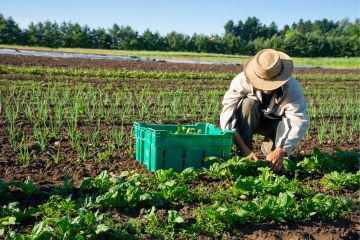
Organic & Locally Grown Produce
Consumers are increasingly choosing organic and locally sourced fruits, vegetables, and herbs. Certified organic sales are outpacing conventional produce in key markets like the U.S., while local sourcing ensures freshness and supports regional farmers, appealing to health-conscious and environmentally aware shoppers.

Convenient & Ready-to-Eat Options
Retailers are expanding pre-packaged salads, fruit mixes, and functional greens that make healthy eating easy. These convenient solutions cater to busy lifestyles while maintaining quality and freshness, helping consumers enjoy nutritious options at home, at work, or on the go.
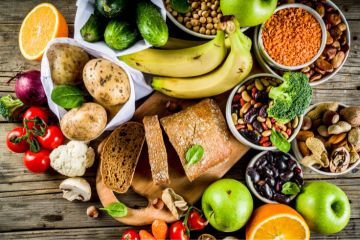
Functional & Nutrient-Rich Produce
Demand is rising for produce that delivers added nutritional benefits, such as antioxidant-rich, vitamin-enhanced, or high-fiber options. Consumers are selecting items that support immunity, digestion, and overall wellness, making functional produce a major consideration in retail and foodservice offerings.

Sustainable Farming & Packaging
Environmentally responsible sourcing, cultivation, and packaging are becoming essential. Brands that adopt eco-friendly methods and transparent supply chains attract consumers who care about sustainability, helping products stand out in retail while supporting long-term environmental goals.
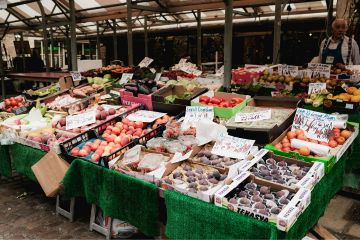
Cold-Chain & Distribution Innovation
Advanced refrigeration, digital tracking, and logistics improvements ensure produce reaches markets fresher and faster. These supply chain innovations maintain quality over longer distances,
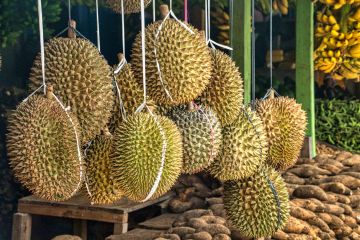
Exotic & Specialty Varieties
Shoppers are exploring unusual fruits, vegetables, and herbs that add novelty and flavor diversity. Unique seasonal or imported items give retailers opportunities to differentiate their offerings and appeal to adventurous, health-conscious consumers.
Source:
- Grand View Research , Fresh Fruits & Vegetables Market Size, Industry Report, 2033
- Organic Trade Association , Growth of U.S. Organic Marketplace Accelerated in 2024