Increasing commitment to sustainability from reducing energy and water use to eliminating single-use plastics and food waste, hotels are taking active steps to protect the environment and champion responsible business and tourism.
In 2022, the Singapore Hotel Association (SHA) and Singapore Tourism Board (STB) launched a new sustainability roadmap. In the roadmap, they identified four focus areas to green hotel operations to ensure that sustainability efforts drive impactful environmental outcomes. These areas are water conservation, waste management, recycling and circular economy, sustainable sourcing and procurement, as well as energy conservation.
In Thailand, more than 500 hotels have signed the pledge to eliminate single-use plastic and promote local culture one year after launching the UNESCO Sustainable Travel Pledge. UNESCO also commissioned a study to look further into what natural products and traditional handicrafts made in Thailand could potentially up-scaled to offer alternatives to single-use plastic products.
In this article, we highlight the sustainability measures taken by hotels in Asia to reduce their carbon footprint.
Food Waste Management

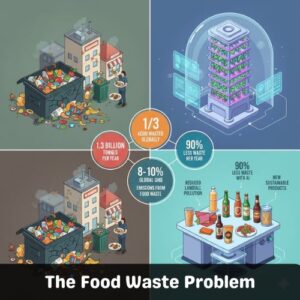
Food waste is one of the biggest waste streams in Singapore, and the amount of food waste generated has grown by around 20% over the last 10 years. With the hospitality industry being one of the contributors of food waste, hotels are taking steps to reduce, redistribute, and transform food waste.
Grand Hyatt Singapore is the first hotel in Singapore to have a food waste management system. The hotel owns a machine, called a Biomax Thermophilic Digester, which can process 1000kg of food waste per day and turn it into 300kg of organic fertilisers in 24 hours, which then goes into fertilising the hotel’s rooftop garden.
Apart from reducing and recycling, many hotels are donating excess food to non-profit organisations, which distribute it to the less privileged.
Eliminating Single-use Plastic
A single 200-room four-star hotel can use about 300,000 pieces of single-use plastic in a month if it is at full capacity and does not invest in any eco-friendly alternatives, according to Eco-Business.
In 2019, the world’s largest hotel chain, Marriott, announced it to eliminate tiny, single-use toiletry bottles from its hotels worldwide. Within the Asia Pacific, around 70% of Marriott hotels have implemented this initiative. Similarly, the Hilton hotel chain has removed plastic straws from its hotel operations, swapped plastic key cards for digital ones, and eliminated water bottles from meetings and events hosted in the hotels.
In a global survey of 27,000 hotels in 2022, the Green Lodging Report found that 66% of hotels have eliminated the use of plastic straws, and 47% of all hotels have replaced plastic water bottles offered to guests and staff with sustainable alternatives.
Local Sourcing

PARKROYAL COLLECTION Marina Bay has one of the largest rooftop urban farms in Singapore’s Central Business District. The farm grows more than 60 varieties of edible herbs, flowers, fruits, and vegetables, supplying a stream of fresh produce and herbs to the hotel’s restaurants, cocktail bars, and spa.
Governments are also recognizing the economic benefits of sourcing locally. The Cambodian Ministry of Tourism has established a working group to boost the production of agricultural goods and handicrafts for use by domestic restaurants and hotels. The government estimates that Cambodia loses between 300-400 million USD in revenue each year as local restaurants and hotels are not sourcing products locally.
Using Renewable Energy

Hotels are among the most energy-intensive buildings and the hotel industry alone accounts for around 1% of global emissions. Hotels and resorts are now stepping up their efforts to reduce energy consumption to deliver operational savings and to attract a young generation of tourists who prioritise sustainable travel.
With the government’s push for a Bio-Circular-Green economy model, Thailand’s Tourism Authority is encouraging local tourism businesses to adopt more sustainable practices. More hotels are adopting renewable energy, such as solar power, as a supplementary energy source for their electricity needs.
Marriott is expanding its electric vehicle program across the region. Beyond mainland China, more than 100 EV charging units will be installed at Marriott hotels in India, Thailand and Indonesia.
Green Architecture
Another key component in sustainable hotel development starts from the design and construction phases, such as using responsibly sourced timber and growing native species.
The Oasia Hotel Downtown in Singapore stands out with its unique silhouette covered by a lush green façade that is a massive vertical garden. This green façade is covered in 21 species of creeper plants arranged at different heights, with an additional 33 species of plants incorporated into its architecture. The hotel’s lobby has also been designed so that visitors are cooled by drafts of wind instead of air-conditioning.
As the demand for sustainable hotels continues to grow, it is likely that more hotels will adopt sustainable practices. Adopting sustainable practices can help to reduce the environmental impact of hotels, save hotels money, attract and retain guests, improve brand reputation, and comply with regulations.
Do you have a sustainable solution or product to showcase?
Evolved from the highly successful Food&HotelAsia (FHA), FHA-HoReCa brings together the most extensive line-up of the world’s leading foodservice and hospitality suppliers through 5 specialised sectors – Bakery, Pastry & Gelato; Foodservice & Hospitality Equipment; Hospitality Style; Hospitality Technology and Speciality Coffee & Tea. Contact us to get involved.
Sustainability Trends Shaping Hotels in Asia
Hotels are increasingly prioritizing sustainability, recognizing its benefits not only for the environment but also for operational efficiency, guest satisfaction, and brand reputation. Key areas of focus include:
- Energy and water conservation
- Waste reduction and food recycling
- Eliminating single-use plastics
- Local sourcing of products
- Adoption of renewable energy
- Green architecture and design
Governments and industry bodies in Asia are supporting these efforts. For instance, in 2022, the Singapore Hotel Association (SHA) and Singapore Tourism Board (STB) launched a sustainability roadmap highlighting water conservation, waste management, sustainable sourcing, and energy efficiency.
Managing Food Waste in Hotels
Food waste is one of the largest contributors to environmental impact in the hospitality sector. In Singapore, food waste has increased by around 20% over the past decade, with hotels being significant contributors.
Hotels are tackling food waste through:
- On-site processing: Grand Hyatt Singapore uses a Biomax Thermophilic Digester to convert 1,000kg of food waste per day into 300kg of organic fertilizer for rooftop gardens.
- Food donation programs: Excess food is donated to non-profits, ensuring it reaches those in need.
- Redistribution and transformation: Unused ingredients are repurposed for soups, compost, or other hotel operations.
Implementing such systems helps hotels reduce costs, comply with sustainability regulations, and improve their brand image.
FAQ’s
What are the top sustainable practices for hotels in Asia?
Key practices include reducing energy and water use, eliminating single-use plastics, food waste management, local sourcing, renewable energy adoption, and green building design.
How can hotels reduce food waste effectively?
Hotels can use digesters to convert waste into fertilizers, donate excess food to charities, and redistribute unused ingredients creatively.
Which hotels in Asia are leading in green architecture?
Oasia Hotel Downtown in Singapore is a prime example, featuring vertical gardens and natural cooling systems.
How do hotels implement renewable energy solutions?
Through solar panels, energy-efficient lighting, smart thermostats, and EV charging infrastructure for guests.
Why is local sourcing important for sustainable hotels?
It reduces transportation emissions, supports local economies, ensures fresher produce, and aligns with eco-conscious consumer expectations.
Conclusion
Sustainability is transforming the hotel industry in Asia. By implementing food waste management systems, eliminating single-use plastics, sourcing locally, adopting renewable energy, and incorporating green architecture, hotels are reducing their environmental impact and improving operational efficiency.
Benefits of sustainable practices for hotels:
- Lower operational costs through energy and resource efficiency
- Improved brand reputation and guest loyalty
- Compliance with environmental regulations
- Attraction of eco-conscious travelers
- Contribution to a healthier planet
Sustainable hotels are no longer optional—they are essential for a competitive, responsible, and future-ready hospitality industry.