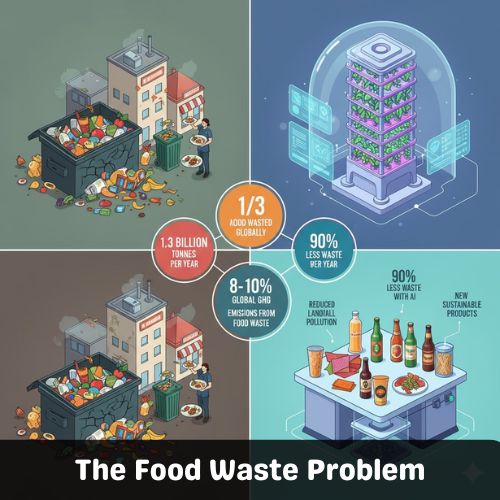
The mounting food waste problem is an urgent issue that threatens food security globally. In this article, we discuss the main drivers and sources of food waste and what governments, the food industry, and technology start-ups are doing to tackle this problem.
The Food Waste Problem
Globally, the United Nations estimates that 14 per cent of the world’s food, valued at $400 billion, is lost on an annual basis before it reaches retailers. An estimated 17% of food is wasted at the retail and consumer levels (UNEP, 2021). In Southeast Asia, the amount of food waste is staggering. According to the National Environmental Agency, Singapore generated 744,000 tonnes of food waste in 2019. 40% of food waste generated each year was contributed by commercial and industrial enterprises.
Indonesia dumps between 115kg and 184 kg of food per capita each year. Food waste costs the country between US$14-40 billion a year in economic losses, or up to 5% of Indonesia’s GDP. In Bangkok, uneaten food makes up 46% of nearly 10,000 tonnes of solid waste collected by the city every day.
Main Drivers and Sources of Food Waste
At the wholesale and retail stage, food waste occurs due to temperature changes leading to spoilage, discarding food that do not meet aesthetic standards, packaging defects, and over-supply.
In the food service sector, lack of flexibility in portion sizes, insufficient planning to forecast and order ingredients and consumers’ reluctance towards bringing leftover food home are all contributors to food waste. At the consumer level, households generate food waste by overpreparing food, buying too much, and discarding edible parts and leftovers.
Food wastage at an individual level leads to further wastage at a commercial level as it encourages supermarkets and F&B operators to order more than what’s needed, which in turn generates unnecessary waste.
Approaches To Reduce Food Waste
Legislation
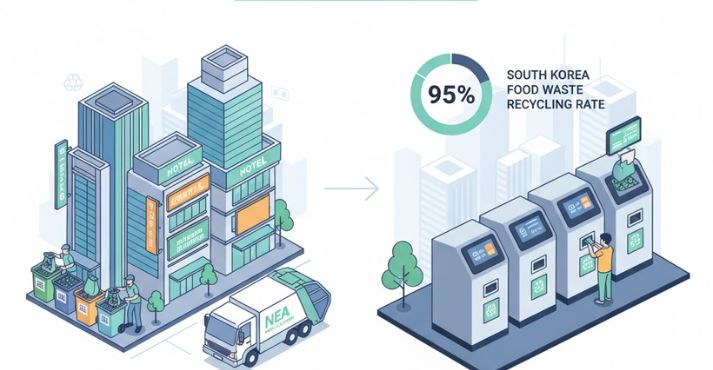
In Singapore, a landmark Resource Sustainability Act was enacted in October 2019 to give legislative effect to new measures aiming to reduce food waste. From 2024, large commercial and industrial food waste generators will be required to segregate their food waste for treatment. Such premises include large hotels and malls, and large industrial developments housing food manufacturers, food caterers, and food storage warehouses.
South Korea’s food waste disposal bins are equipped with scales and Radio Frequency Identification (RFID) to weigh food waste as it is deposited, and residents are charged using an ID card. (Image credit: The Korea Times)
Regarded as one of the most successful government initiatives to recycle food waste, South Korea established a “pay as you throw” policy requiring food waste to be discarded in biodegradable bags and charges a per-household fee on the weight of the waste. As a result, South Korea now recycles more than 95% of its food waste, up from less than 2% in 1995. The food waste is processed to use as compost for urban gardens or animal feed, or burnt to generate biofuel.
Food Redistribution
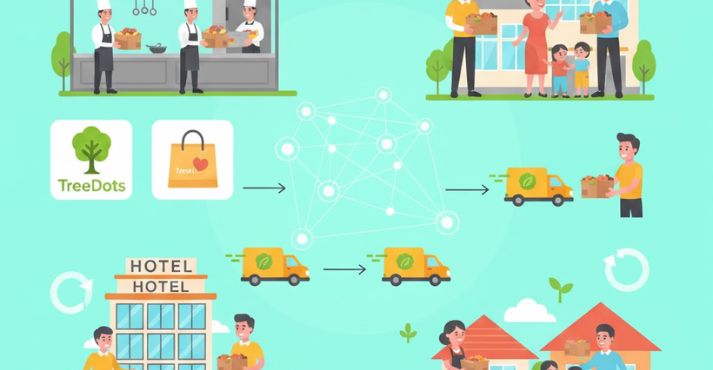
Online marketplaces to redistribute surplus food have emerged in recent years. One example is TreeDots, which connects suppliers with businesses by selling excess or imperfect food supplies at lower prices. Another is treatsure, which connects businesses and hotels with surplus food and groceries to consumers.
Food Upcycling
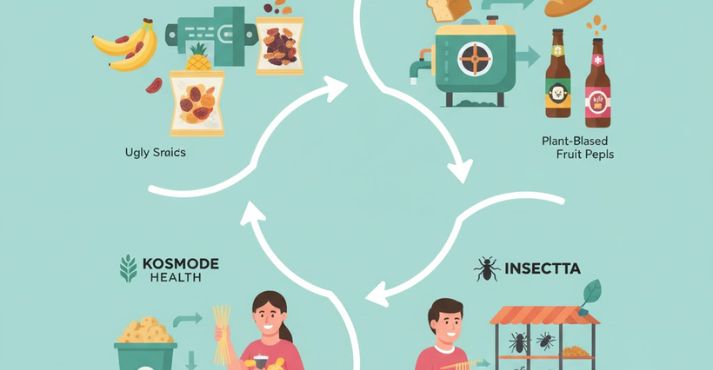
Upcycling refers to using ingredients that would otherwise have been thrown away and turning them into or using them in new food products.
Dole, the world’s largest fruit and vegetable producer, upcycled 80% of “ugly” fruit that would otherwise be discarded in its Thailand farms. Some of its upcycling initiatives include turning banana leaves into packaging, developing snacks from unattractive vegetables, and processing half-rotten produce in its biogas facilities.
Locally, CRUST Group uses surplus bread and fruit peels in their craft beers and fruit sparkling waters. Protein and fibre extracted from spent barley grains, a by-product of beer and malt production, are the base of a noodle product from Kosmode Health. Singapore’s first urban insect farm, Insectta, rears black soldier flies to process food waste and develop insect-derived biomaterials such as chitosan, for both the pharmaceutical and cosmetic industries.
Innovation In Agriculture
Scientists have been working to delay fruit ripening so that farmers can harvest fruits later to better optimize their flavour. With this technology, fruits will ripen more slowly and be less susceptible to damage. This reduces fruit spoilage and wastage during transportation, storage, and after purchase and helps to prolong shelf life for customers.
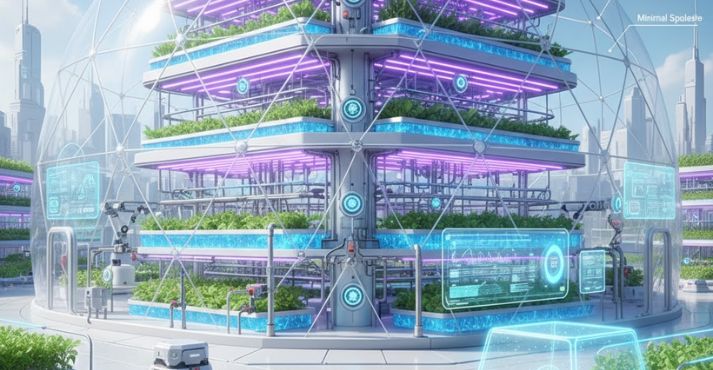
Hydroponic farming is also picking up in Asia. It is the technique of growing plants using a water-based nutrient solution. This technique has the benefits of using less water and land. As plants are grown in a controlled environment, it reduces the exposure of crops to pests and disease, and spoilage due to unpredictable weather patterns, therefore minimising food loss and wastage. However, large high-tech farms will need a lot of electricity to power their LED lights, ventilation systems, and temperature control.
Technology innovation has huge potential in contributing to sustainable food systems that reduce wastage and stabilise food supply.
Do you have an innovative or sustainable solution to the food waste problem to showcase?
FHA – Food and Beverage returns next year on 23-26 April 2024 at Singapore Expo. With a line-up of leading global suppliers, industry professionals can anticipate the most extensive showcase of trending F&B and hospitality products and solutions, cutting-edge technologies for food & drinks manufacturing, and more at the mega event. Contact us to get involved.
Global & Regional Food Waste Statistics
Globally, the United Nations estimates that nearly 14% of food is lost before reaching retailers, while an additional 17% is wasted at retail and consumer levels. This translates to an economic loss of approximately $400 billion annually.
In Southeast Asia, food waste is particularly significant. For instance:
- Singapore generated 744,000 tonnes of food waste in 2019, with 40% coming from commercial and industrial sources.
- Indonesia discards between 115kg and 184kg of food per person each year, costing up to US$40 billion annually, equivalent to 5% of the country’s GDP.
- In Bangkok, 46% of nearly 10,000 tonnes of daily solid waste comprises uneaten food.
These statistics highlight the urgent need for sustainable food waste management strategies across households, businesses, and governments.
Main Drivers of Food Waste Across the Supply Chain
Wholesale & Retail Food Waste
Food waste in wholesale and retail occurs due to:
- Spoilage from temperature fluctuations during storage and transport.
- Aesthetic standards, where edible food is discarded for being imperfect in shape, size, or color.
- Packaging defects and mismanaged inventories.
- Over-supply, often caused by inaccurate demand forecasting.
Retailers can reduce waste by improving supply chain efficiency, using smart inventory systems, and collaborating with redistribution platforms.
Food Service Sector Waste
Restaurants, hotels, and catering services contribute to food waste due to:
- Fixed portion sizes that lead to leftover food.
- Inefficient ordering and forecasting result in overstocking.
- Consumer behavior, such as reluctance to take leftovers home.
Optimizing menu planning, adopting flexible portion sizes, and introducing food waste tracking systems can significantly reduce wastage in the food service sector.
Household Food Waste
At the consumer level, households are major contributors to food waste due to:
- Over-purchasing and over-preparing food.
- Discarding edible parts such as peels, stems, and leaves.
- Ignoring leftovers.
Encouraging meal planning, proper storage techniques, and consumer education are key strategies to reduce household food waste.
Food Redistribution & Marketplace Solutions
Food redistribution platforms help redirect surplus food from businesses to consumers or charities. Examples include:
- TreeDots which connects suppliers with restaurants and cafes to sell surplus or imperfect food at discounted rates.
- Treatsure, linking hotels and businesses with consumers to reduce waste.
These solutions prevent food loss, reduce environmental impact, and offer economic benefits to businesses.
Food Upcycling Innovations in Asia
Food upcycling transforms ingredients that would otherwise be discarded into new, value-added products:
- Dole upcycles “ugly” fruits into snacks, packaging, or biogas.
- CRUST Group uses surplus bread and fruit peels in craft beers and sparkling beverages.
- Kosmode Health extracts protein and fiber from spent barley grains for noodle production.
- Insectta processes food waste using black soldier flies to create chitosan for pharmaceutical and cosmetic uses.
Upcycling promotes circular food systems, turning waste into sustainable products.
Future Outlook & Sustainable Food Systems
As urbanization and population growth continue, innovations in technology, legislation, and consumer behavior will be critical to reducing food waste. Emerging trends include:
- Smart kitchens and AI-driven inventory management.
- Circular economy initiatives like food upcycling and biogas production.
- Policy-driven incentives for sustainable food systems.
A coordinated effort across governments, businesses, and consumers will ensure a resilient, sustainable, and waste-free food ecosystem for the future.
FAQ’s
What are the main causes of food waste in Asia?
Food waste in Asia occurs across multiple stages of the supply chain. At the farm level, losses happen due to improper harvesting techniques, pest infestations, and unpredictable weather conditions. In wholesale and retail, imperfect-looking produce, overstocking, and poor storage contribute to significant waste. The food service sector generates waste through fixed portion sizes, menu overproduction, and leftover disposal. At the household level, over-purchasing, over-preparing meals, and discarding edible parts are common causes. Collectively, these factors create a pressing food wastage problem that impacts both the economy and the environment.
How does food waste impact the environment and economy?
Food waste has serious environmental and economic consequences. When discarded food decomposes in landfills, it produces methane, a potent greenhouse gas that contributes to climate change. The production of wasted food also squanders resources like water, energy, and labor. Economically, billions of dollars are lost annually, including costs associated with growing, transporting, and storing food that is never consumed. Reducing food waste can enhance sustainability, lower emissions, and improve food security, while also providing financial benefits for businesses and households.
What are the most effective ways for businesses to reduce food waste?
Businesses can minimize food waste through a combination of operational strategies and technology solutions. Effective measures include smart inventory management to avoid overstocking, forecasting and demand planning to reduce surplus production, flexible portioning in restaurants and catering services, donation or redistribution programs to channel surplus food to communities or marketplaces, and upcycling food by-products into new products such as snacks or beverages. Implementing these practices helps companies cut costs, improve efficiency, and enhance their sustainability credentials.
How can technology help minimize food loss in agriculture?
Technology plays a vital role in reducing food loss before it reaches consumers. Innovations include controlled ripening techniques that extend the shelf life of fruits and vegetables, hydroponic and vertical farming that optimize growth conditions and reduce spoilage due to pests or weather, IoT-enabled monitoring systems that track temperature, humidity, and storage conditions in supply chains, and AI-driven demand forecasting to prevent overproduction and supply chain inefficiencies. By leveraging technology, farmers and businesses can reduce food wastage, improve resource efficiency, and create a more resilient food supply.
What is food upcycling, and how does it help reduce food waste?
Food upcycling is the process of transforming surplus or imperfect ingredients into new, value-added products. Examples include converting overripe fruits into snacks, using spent grains from beer production to make noodles, or repurposing food scraps into animal feed or bio-materials. Upcycling reduces the volume of food sent to landfills, creates economic opportunities, supports circular economy principles, and encourages sustainable consumption. Companies that adopt food upcycling contribute to environmental conservation and innovative product development.
Conclusion
Food waste is a complex global challenge with significant environmental, economic, and social impacts. From households to large-scale businesses, addressing food loss requires a holistic approach involving legislation, technological innovation, food redistribution, and upcycling initiatives. By adopting sustainable food practices, leveraging smart agricultural techniques, and supporting circular economy solutions, businesses and consumers can play a vital role in reducing waste. Ultimately, tackling the food waste problem not only preserves valuable resources and reduces greenhouse gas emissions but also strengthens food security and contributes to a more sustainable future for Asia and the world.