
In 2025, enjoying a drink doesn’t have to come at the cost of your health. Many people are exploring alcohol-free, low-alcohol, and natural options to balance wellness with the pleasure of a good beverage.
These choices are becoming more mainstream as consumers pay closer attention to ingredients, sugar content, and the overall impact of alcohol on their health.
The organic wine market is growing alongside this interest in healthier options. It is projected to reach $21.48 billion by 2030, with a CAGR of 10.4%, reflecting strong demand for wines made from natural and sustainably grown grapes.
This blog will guide you through the top choices for healthier alcoholic drinks, combining flavor and wellness so you can enjoy your favorites without compromise. We’ll also explain how these drinks were selected and outline the main trends in healthier drinking for 2025.
How We Selected the Healthiest Alcohol Drinks
Choosing the healthiest alcoholic drinks involves more than just picking low-calorie options. Our selection is based on a combination of factors that balance taste, wellness, and moderation.
- Lower Sugar and Calorie Content: Drinks with reduced sugar and calories help support weight management and minimize the health risks associated with excessive sugar intake.
- Organic and Natural Ingredients: Beverages made with organic, natural ingredients are preferred. These drinks often contain fewer additives and preservatives, reducing potential negative health effects. Natural wines, for example, are produced with minimal intervention, which preserves their beneficial compounds.
- Moderate Alcohol Levels: Alcohol by volume (ABV) is considered to ensure drinks allow for moderate consumption, helping reduce health risks while still offering enjoyment.
- Potential Health Benefits: Some beverages, such as red wine, contain antioxidants or other compounds that may promote cardiovascular and overall health.
- Nutrient Fortification: Certain drinks are fortified with vitamins or minerals, providing additional nutritional value when consumed in moderation.
By combining these criteria, we identified options that offer a healthier approach to enjoying alcohol without compromising on flavor.
Emerging Trends in Healthier Drinking
The alcohol industry is seeing notable changes as consumers seek healthier options without compromising on taste.
One major trend is the growth of organic wines, which are produced using natural methods with minimal additives. These wines preserve more of their natural antioxidants and flavors, offering a cleaner, more mindful drinking experience.
Craft beer is gaining popularity, especially in Southeast Asia, where small-scale breweries focus on quality ingredients and innovative brewing techniques.
Many craft beers now offer lower-calorie and lower-alcohol options, making them an attractive choice for health-conscious drinkers.
Another emerging option is hard kombucha, a fermented tea beverage that combines probiotics with light alcohol content. This trend appeals to those who want a functional drink that supports gut health while still enjoying a mild alcoholic kick.
Low-sugar and low-alcohol cocktails are becoming common in bars and restaurants, as bartenders experiment with natural sweeteners and fresh ingredients.
According to IWSR, no-alcohol beverage volumes grew 9% globally in 2024, showing how lighter drinks and wellness-driven choices are becoming part of everyday drinking habits.
These cocktails let consumers enjoy classic flavors without the added sugar or high alcohol content, making social drinking more balanced and mindful.
Together, these trends are influencing a new drinking culture in Southeast Asia, where flavor, wellness, and sustainability guide consumer choices more than ever before.
Top 10 Healthiest Alcohol Drinks to Try in 2025
Finding a balance between flavor and wellness doesn’t mean giving up your favorite drinks. From natural wines to low-sugar cocktails, the top 10 healthiest alcoholic beverages for 2025 offer options that let you enjoy every sip while staying mindful of your health.
Explore these choices and discover how small changes can make a big difference in your drinking experience.
1. Red Wine

Red wine is made by fermenting dark-colored grapes with their skins, which gives the drink its deep color, fuller body, and natural antioxidant profile. It’s one of the most widely consumed alcoholic beverages and is often associated with traditional Mediterranean drinking patterns.
Health Benefits
Red wine contains naturally occurring antioxidants such as resveratrol and flavonoids, which may support heart health and help reduce inflammation when enjoyed in moderation. Its grape-skin fermentation process contributes to this nutrient profile.
Why It’s Healthier
Red wine generally has fewer additives than many mixed drinks and offers a balanced sugar level.
Natural and organic red wines take this further by avoiding synthetic pesticides and limiting sulfites, appealing to drinkers who prefer cleaner production methods. Its moderate ABV also makes portion control easier.
Suggested Pairing or Serving Tip
Serve slightly cool, around 15–18°C, to enhance its flavor and aroma. It works well with grilled meats, aged cheese, pasta with tomato-based sauces, and earthy dishes like sautéed mushrooms.
2. Organic Wine and Liquor

Organic wines and liquors are made from grapes, grains, or other ingredients cultivated without synthetic pesticides, herbicides, or chemical fertilizers.
These beverages emphasize natural fermentation and minimal processing, appealing to drinkers who value cleaner, environmentally conscious production.
Health Benefits
Organic wines and liquors retain more of their natural compounds, including antioxidants and polyphenols, which may promote heart health and overall wellness.
Some organic spirits, when consumed in moderation, provide fewer chemicals and preservatives, reducing exposure to potential irritants.
Why It’s Healthier
Organic certification ensures ingredients are free from synthetic chemicals, while minimal additives and natural fermentation make these drinks cleaner than conventional options.
Lower sugar content and moderate alcohol levels in many organic beverages further contribute to a healthier drinking experience.
Suggested Pairing or Serving Tip
Serve organic wine slightly chilled for whites and at room temperature for reds. Organic liquors such as vodka or gin can be enjoyed neat or in simple cocktails using fresh, natural ingredients.
Pair organic wines with light salads, roasted vegetables, or grilled fish to complement their natural flavors.
3. Mulled Wine

Mulled wine is a warm beverage made by gently heating red wine with spices such as cinnamon, cloves, and star anise, along with citrus. Traditionally enjoyed during cooler months, it combines comforting flavors with the benefits of both wine and spices.
Health Benefits
Mulled wine retains many of the antioxidants found in red wine, including resveratrol and flavonoids. The added spices, particularly cinnamon and cloves, provide strong antioxidant and anti-inflammatory activity, which may support cardiovascular and digestive health.
Studies show that cinnamon bark retains these beneficial compounds even after digestion, while spice blends like cinnamon and clove maintain high phenolic content and antioxidant capacity in laboratory tests.
Why It’s Healthier
Choosing low-sugar recipes or natural sweeteners reduces calorie intake, and using organic or natural red wine as the base minimizes exposure to synthetic additives and sulfites. Moderate alcohol content ensures the drink can be enjoyed safely.
Suggested Pairing or Serving Tip
Serve hot in a heat-resistant glass or mug, garnished with a cinnamon stick or orange slice. Mulled wine pairs well with spiced desserts, roasted nuts, or light winter cheeses, making it perfect for cozy gatherings.
4. Blood Mary (Cocktail)
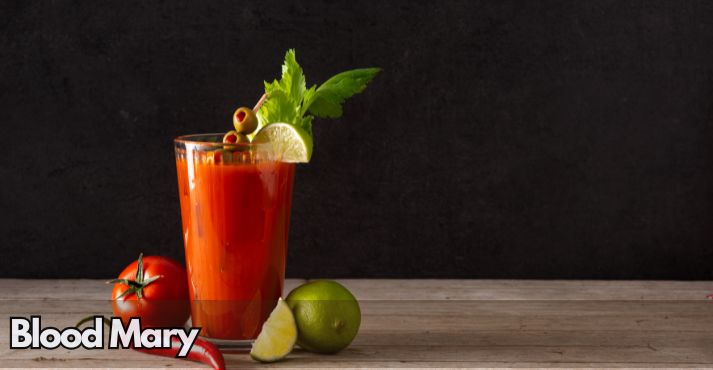
The Bloody Mary is a classic cocktail made with vodka, tomato juice, and a blend of spices and flavorings such as Worcestershire sauce, hot sauce, lemon juice, and celery. Known for its savory profile, it is often enjoyed as a brunch staple or “hangover” drink.
Health Benefits
The tomato juice base provides antioxidants like lycopene and vitamin C, which may support heart health and immune function. The added spices and lemon juice can offer mild anti-inflammatory benefits and aid digestion.
Why It’s Healthier
Compared to sweeter cocktails, the Bloody Mary is lower in sugar, especially when made without added syrups or mixers.
Using fresh, organic tomato juice and quality vodka reduces exposure to additives and provides a cleaner drink option. The cocktail’s moderate alcohol content allows for mindful consumption.
Suggested Pairing or Serving Tip
Present with a celery stalk and a lemon wedge for garnish, over ice. This cocktail complements light brunch dishes, seafood, or fresh salads, enhancing both flavor and nutritional value.
5. Craft Beer

Craft beer is brewed in small batches using traditional methods and high-quality ingredients, often emphasizing hops, malt, and natural yeast. It offers a diverse range of flavors while allowing brewers to experiment with lower-calorie or lower-alcohol options.
With the rising interest in artisanal beverages, the global craft beer market is projected to grow to $329.7 billion by 2033, showing the popularity of small-batch and specialty brews.
Health Benefits
Craft beer can contain antioxidants from hops and malt, which may benefit heart health and reduce oxidative stress. Certain styles, like those brewed with whole grains or specialty yeasts, can also contribute small amounts of B vitamins and minerals.
Why It’s Healthier
Many craft beers are produced without artificial additives, colors, or preservatives, making them cleaner than mass-produced alternatives. Brewers often offer lower-alcohol and lower-calorie options, which help moderate alcohol intake while still enjoying rich flavors.
Suggested Pairing or Serving Tip
Enjoy chilled in a tulip or pint glass to preserve aroma and carbonation. Pair craft beer with grilled vegetables, lean meats, or light cheeses to balance flavors and enhance the drinking experience.
6. White Wine

White wine is made by fermenting the juice of light-colored grapes, often without skins, resulting in a crisp, refreshing beverage. It is commonly enjoyed chilled and pairs well with lighter dishes due to its delicate flavor profile.
Health Benefits
White wine contains antioxidants such as flavonoids and phenolic compounds, which help manage oxidative stress and may aid overall heart function. Moderate consumption has also been linked to improved vascular performance in some studies.
Why It’s Healthier
Opting for natural or organic white wines limits exposure to synthetic pesticides and sulfites. White wine generally has lower sugar levels than sweet cocktails, and its moderate alcohol content makes it easier to consume mindfully.
Suggested Pairing or Serving Tip
Chill white wine to 8–12°C to bring out its fresh aromas and flavors. It pairs beautifully with seafood, poultry, light salads, and soft cheeses, making it ideal for warm-weather meals or casual gatherings.
7. Hard Kombucha
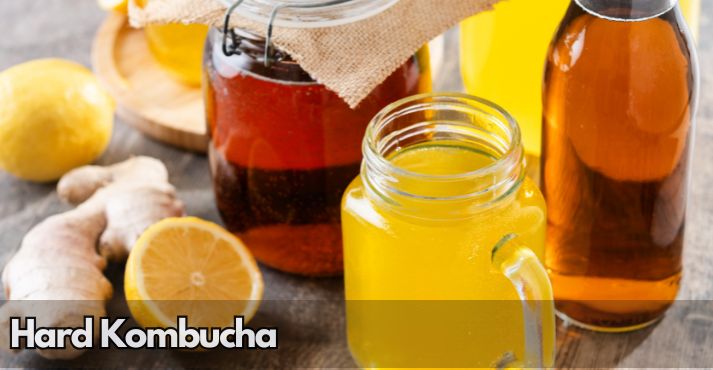
Hard kombucha is a fermented tea beverage that combines the probiotics and antioxidants of traditional kombucha with a low alcohol content, typically ranging from 4-7% ABV.
It’s crafted using natural fermentation with tea, sugar, and live cultures, offering a slightly effervescent, tangy flavor.
Health Benefits
Hard kombucha contains probiotics that support gut health and digestion. It also retains antioxidants from the tea base, which may help reduce oxidative stress and support overall wellness.
Why It’s Healthier
Hard kombucha is generally lower in sugar and alcohol compared to many cocktails and spirits. Using organic or naturally brewed options further reduces exposure to additives and artificial ingredients, making it a cleaner choice for mindful drinking.
Suggested Pairing or Serving Tip
Serve chilled in a glass to preserve its natural fizz. Hard kombucha pairs well with light appetizers, fresh salads, or sushi, providing a refreshing complement to meals while delivering functional health benefits.
8. Martini (Cocktail)
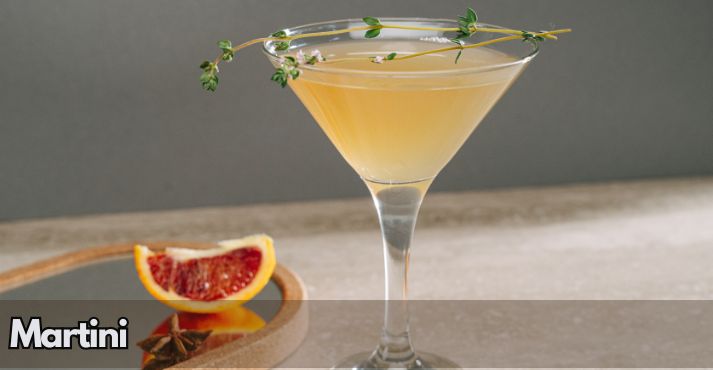
A martini is a classic cocktail usually made with gin and dry vermouth, often garnished with an olive or a twist of lemon. Known for its clean, crisp flavor, it is a staple in cocktail culture worldwide.
Health Benefits
Martinis are relatively low in calories, with a standard serving containing around 160 calories, making them a lighter option compared to many sweetened mixed drinks.
Gin, one of the main ingredients, also contains juniper berries that provide small amounts of antioxidants and may support digestive health when consumed moderately.
Why It’s Healthier
Using high-quality spirits and minimal mixers keeps martinis free of artificial additives and excess sugar. Opting for a dry martini or using organic gin enhances the drink’s cleaner profile while still allowing moderate alcohol enjoyment.
Suggested Pairing or Serving Tip
Chill the glass, then serve straight up or on the rocks with a lemon twist or an olive. Martinis pair well with light appetizers, seafood, or smoked fish, complementing their crisp, aromatic profiles.
9. Hard Cider
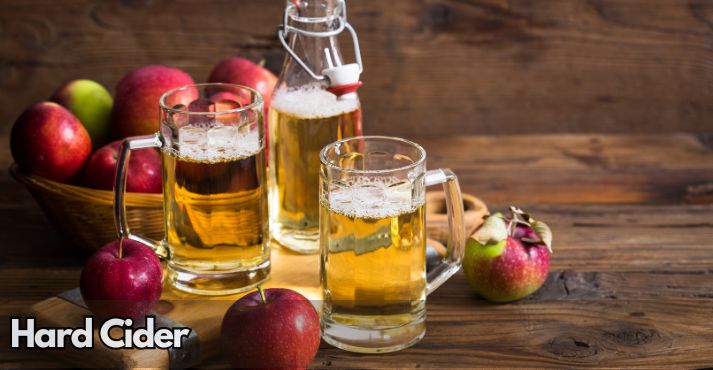
Hard cider is an alcoholic beverage made by fermenting apple juice, resulting in a crisp, naturally sweet drink. It can range from dry to sweet and often contains fewer additives than many commercially produced beers or cocktails.
Health Benefits
Hard cider contains antioxidants and polyphenols from apples, which may help support heart health and reduce oxidative stress. Moderate consumption may also provide small amounts of the vitamins and minerals naturally found in apples.
Why It’s Healthier
Choosing hard cider with lower sugar content or organic ingredients makes it a cleaner alternative to sugary cocktails. Its moderate alcohol level allows for mindful drinking without excessive caloric intake.
Suggested Pairing or Serving Tip
Chill hard cider and serve in a glass to maintain its natural carbonation. It pairs well with roasted meats, cheese platters, or light desserts, making it versatile for casual or festive occasions.
10. Margarita
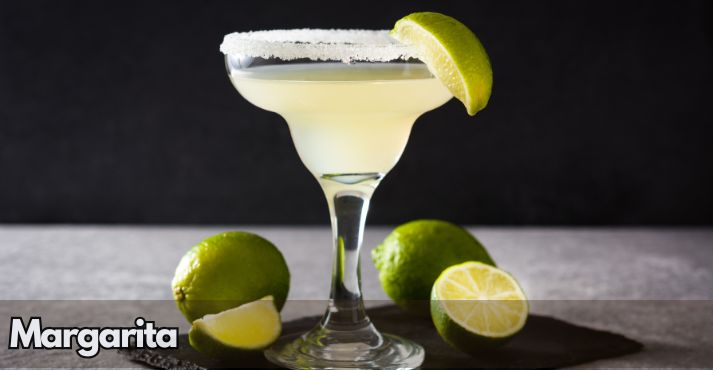
The Margarita is a classic cocktail made with tequila, fresh lime juice, and a touch of orange liqueur, typically served in a salt-rimmed glass. Known for its tangy and refreshing flavor, it is a popular choice for social gatherings and summer occasions.
Health Benefits
Using fresh lime juice provides vitamin C and antioxidants, which can support immune function and overall wellness. Moderate tequila consumption has been associated with potential digestive benefits and may contain compounds that help regulate blood sugar.
Why It’s Healthier
Opting for a “skinny” Margarita made with fresh ingredients and minimal added sugar reduces calorie intake compared to traditional versions that rely on sweet mixers. Choosing high-quality tequila and organic lime juice ensures a cleaner cocktail with fewer additives.
Suggested Pairing or Serving Tip
Serve chilled over ice in a salt-rimmed glass, garnished with a lime wedge. Margaritas pair well with Mexican cuisine, grilled seafood, or light appetizers, balancing the tangy flavors and enhancing the drinking experience.
FAQs
Is organic wine really healthier?
Yes. Organic wine is made without synthetic pesticides or chemicals, reducing exposure to additives. It also often retains more natural antioxidants, making it a cleaner and more mindful choice for moderate consumption.
Why is craft beer considered healthier than regular beer?
Craft beer is usually brewed in small batches with natural ingredients and fewer additives. Many styles also offer lower alcohol and calorie content, making them a cleaner and more balanced option than mass-produced beers.
What makes hard kombucha a good choice for health-conscious drinkers?
Hard kombucha combines the probiotics and antioxidants of traditional kombucha with low alcohol content. Its natural fermentation and lower sugar levels make it a functional beverage that supports gut health while still being enjoyable.
Are margaritas healthy if made with fresh ingredients?
Yes. Margaritas made with fresh lime juice, high-quality tequila, and minimal added sugar offer antioxidants and fewer calories than traditional versions, making them a lighter, cleaner cocktail choice.
Conclusion
Healthier alcohol choices in 2025 show that you don’t have to sacrifice flavor or enjoyment for wellness. From organic wines and craft beers to hard kombucha and low-sugar cocktails, these drinks offer antioxidants, probiotics, and lower-calorie options for mindful consumption.
Enjoying them in moderation and pairing them with nutritious meals can help support a balanced lifestyle without compromising social experiences.
As consumers become more aware of ingredients and production methods, the trend toward cleaner, more health-conscious drinking is expected to continue, offering even more options for those seeking flavor with a mindful approach.