Developing countries are becoming very important in the global food market. The United Nations says the world’s population will reach 8.5 billion by 2030, and most of this growth will happen in these countries.
As more people move to cities and earn more money, their food habits are changing quickly. People are buying more processed foods and ready-to-eat meals because they want convenience.
At the same time, many consumers are paying more attention to health. They want foods that are not only tasty but also good for their well-being. This has made healthy snacks, natural ingredients, and simple-label products more popular.
These changes present significant opportunities for food brands, exporters, and distributors that understand what these new customers want.
Emerging food markets in developing countries are experiencing rapid growth and are becoming a major part of the global food trade. Businesses that learn about these markets now will be well-positioned to capitalize on future growth opportunities.
Key Emerging Markets to Watch
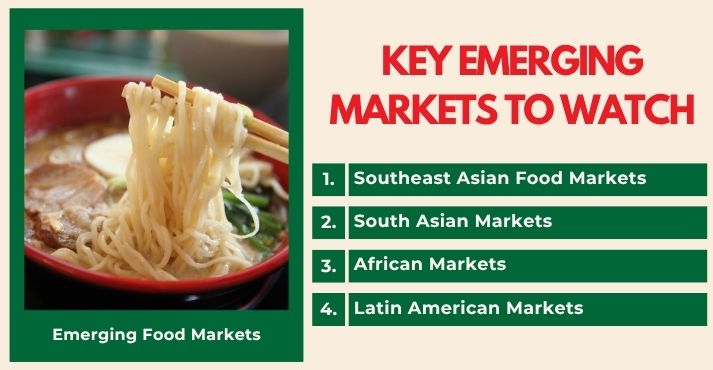
Emerging markets across Southeast Asia, South Asia, Africa, and Latin America are seeing major developments in their food and beverage sectors.
Factors like urbanization, higher disposable incomes, and new consumer habits are changing how food is produced, distributed, and consumed.
For exporters, investors, and distributors, staying informed about these market dynamics is crucial to capitalize on the growing food demand in emerging economies.
Southeast Asian Food Markets
1. Vietnam
Vietnam’s food scene is changing quickly. In cities like Hanoi and Ho Chi Minh City, people tend to purchase more packaged foods and drinks from supermarkets rather than street markets.
Busy workers still buy instant noodles, but more people want healthier options now. Dairy products, particularly yogurt, are gaining popularity and are expected to continue growing.
Foreign brands do well here if they keep prices reasonable and adjust their flavors to suit local tastes. For example, Oreo has introduced green tea and mulberry ice cream flavors specifically for the Vietnamese market.
2. Philippines
Filipinos love snacks – they eat more packaged snacks per person than anywhere else in Southeast Asia. Small convenience stores called sari-sari stores still dominate, but big supermarkets are growing in cities.
People are trying new foods, especially Korean and Japanese products like ramen and milk tea. But traditional flavors like ube (purple yam) and mango remain popular.
However, typhoons frequently disrupt food supplies, making strong and reliable distribution networks essential for companies operating in the market.
3. Indonesia
With over 270 million people, Indonesia is a huge market. Most people still shop at traditional markets, but many are starting to buy groceries online in Jakarta and other major cities.
Halal certification is a must – even brands like Coca-Cola have halal labels there. Instant noodles are everywhere (Indomie is the top brand), but now people also want healthier options.
Jackfruit-based “meat” is gaining popularity as an affordable protein source. However, Indonesia’s many islands create logistical challenges that increase the cost of distribution across the country.
South Asian Markets
1. India
India’s food market is massive but complicated. In big cities, people often prefer organic food and protein snacks, but in smaller towns, price is the primary consideration.
Reliance and other major Indian companies are expanding their supermarket operations, while small neighborhood shops continue to handle the majority of sales. Startups are making snacks from millet and other traditional grains.
Foreign brands often face hurdles. For example, McDonald’s had to remove beef and create vegetarian menu items, such as the McAloo Tikki, to succeed in India.
Frequent changes in import duties and food labeling regulations also pose challenges for international food companies operating in the country.
2. Bangladesh
Bangladesh’s economy is growing fast, and people are buying more packaged food. Biscuits and noodles are top sellers because they’re cheap and don’t need refrigeration.
Most grocery shopping still takes place in small neighborhood shops and wet markets, especially outside urban centers, though modern trade formats are gradually expanding in cities.
In Dhaka, a growing middle class is showing interest in imported food products, but high import duties, often ranging from 5% to 25%, keep prices elevated.
The country’s logistics sector faces notable challenges. Seasonal floods frequently damage road infrastructure and disrupt supply chains. Additionally, occasional political unrest can force business closures and delay shipments.
African Markets
1. Nigeria
Nigeria, Africa’s largest economy, is grappling with severe food inflation. As of December 2024, food prices had surged by 39.84% year-on-year, driven by rising costs of staples like rice, yams, and cooking oil.
While open-air markets remain the primary shopping venues for most Nigerians, modern supermarkets are expanding in urban centers such as Lagos and Abuja.
Affordable, shelf-stable products like instant noodles and bouillon cubes continue to be popular among consumers.
Foreign brands face significant operational challenges, including poor road infrastructure, unreliable electricity supply, and complex import regulations.
To mitigate these issues, companies like Nestlé have localized their production. For instance, Nestlé manufactures Maggi seasoning cubes within Nigeria, thereby reducing their reliance on imports.
2. Kenya
Nairobi’s middle class is growing and buying more packaged foods. Uchumi and other supermarket chains are expanding, but small kiosks still dominate.
Health-conscious snacking is on the rise, with more people choosing local superfoods like baobab and moringa. These nutrient-rich ingredients are now commonly found in snacks and health products as more consumers seek natural and functional foods.
Mobile money (like M-Pesa) makes it easier for people to buy food online. The government has strict rules regarding food imports to protect local farmers, so many companies now manufacture products in Kenya instead of importing them.
Latin American Markets
1. Peru
Peruvians take pride in their local superfoods, such as quinoa and maca. In Lima, health food stores such as Protein Food and APU Superfoods offer protein bars and snacks incorporating these ingredients.
However, outside the cities, most people still rely on basic staples like rice and potatoes. Developing packaged foods using Peru’s well-known superfoods for both local consumption and export presents significant growth potential.
However, many farmers sell their crops informally, which makes securing consistent supplies a challenge.
2. Colombia
Colombians are snacking more between meals. Protein bars and healthy chips are selling well in Bogotá and Medellín. Delivery apps like Rappi make it easy to get food fast.
Traditional foods like arepas (corn cakes) remain popular, but now come in new flavors like quinoa or chia.
The coffee market is changing, too. Young Colombians are drinking more specialty coffee instead of just exporting all the good beans. Crime and poor roads in some areas still make distribution difficult.
Consumer Trends Driving Market Growth
In emerging markets, how people buy and eat food is changing quickly. More people are moving to cities, and new shopping options are influencing consumer choices. Food brands and distributors need to understand these trends to succeed.
Rising Demand for Convenience, Health, and Ethnic Foods
Busy city lifestyles mean more people want quick and easy meals. Instant noodles and packaged snacks remain popular because they’re affordable and handy.
At the same time, more consumers are opting for healthier options, such as foods with added vitamins or plant-based ingredients.
There is also strong interest in ethnic foods that combine traditional flavors with health benefits. This combination helps FMCG companies offer products that cater to the changing tastes of people in developing countries.
Increased Penetration of E-commerce and Modern Retail
Online grocery shopping is becoming more common, especially in cities across Southeast Asia. Supermarkets and convenience stores are also expanding outside big cities, making it easier for people to purchase packaged foods.
This shift from traditional markets is enabling food exporters and distributors to reach a wider customer base. Incorporating modern retail and e-commerce channels is a crucial strategy for brands seeking to succeed in emerging markets.
Challenges in Emerging Markets
Emerging markets offer many opportunities but also present significant challenges. Infrastructure gaps, regulatory hurdles, and price sensitivity create obstacles for food exporters, distributors, and FMCG companies.
Successfully navigating these issues is crucial to supporting sustainable food industry growth.
1. Supply Chain Logistics
Supply chain challenges are among the biggest barriers in many developing countries. Poor road networks, limited cold storage facilities, and fragmented transportation systems all contribute to increased costs and delays.
For example, transporting perishable goods across multiple islands or rural areas requires careful planning and investment.
The supply chain in developing countries often relies on informal networks, which can be unreliable and difficult to scale. Brands must work closely with local partners to establish efficient distribution networks and overcome these challenges.
2. Food Safety Standards and Certification
Food safety is a major concern as food demand in developing countries rises. Many emerging markets lack uniform food safety regulations, making certification a complex and costly process.
Imported goods often face stringent inspections and lengthy approval processes, which can delay market entry.
FMCG companies must invest in meeting local standards and sometimes adapt products to comply with certification requirements. Building trust through transparent safety practices is critical to success.
3. Payment Methods and Market Fragmentation
Payment infrastructure varies significantly across emerging markets, with many consumers relying on cash or mobile payments rather than traditional banking.
This fragmentation complicates transactions, especially in rural areas where banking services are limited.
Market fragmentation also means brands face diverse consumer preferences and purchasing power within the same country. Customized pricing and flexible payment options are essential for effectively reaching different customer segments.
Successful Market Entry Strategies
Entering emerging food markets requires careful attention to local conditions. Brands and distributors that focus on local preferences and infrastructure have a better chance of success in these environments.
1. Local Partnerships and Joint Ventures
Collaborating with local companies helps navigate regulatory hurdles and distribution complexities typical of developing countries. Local partners provide crucial insights into consumer behavior and market conditions, facilitating smoother market entry.
Many FMCGs in emerging markets rely on joint ventures to overcome logistical challenges and build trust with consumers.
2. Tailoring Products to Local Tastes and Price Points
Adjusting products to meet the tastes and budgets of local consumers is vital. Urbanization and food consumption habits vary widely, with many shoppers favoring familiar flavors and convenient packaging.
Aligning product size and pricing with local purchasing power supports stronger adoption. This approach works well with emerging food market trends that emphasize convenience and affordability.
3. Leveraging Digital Marketing and Distribution Channels
Digital marketing and online distribution are increasingly important in reaching urban consumers. With rising internet penetration, brands can connect directly with buyers through targeted campaigns and e-commerce platforms.
These channels also help address supply chain challenges by improving inventory visibility and delivery efficiency.
Case Studies: Brands That Cracked Emerging Markets
Successful entry into emerging markets often depends on how well brands adapt to local tastes, supply chain challenges, and consumer behavior.
Leading FMCG companies and quick-service restaurants (QSRs) have shown that personalized marketing, local partnerships, and flexible operations are crucial for driving growth in regions such as Southeast Asia.
Below are examples of brands that have effectively navigated these complexities to build strong market positions:
1. Nestlé: Local Manufacturing and Product Innovation
Nestlé has made significant investments in local production facilities across Southeast Asia to meet the growing food demand in developing countries.
In Malaysia, Nestlé opened its first plant-based meals production site in ASEAN, investing RM150 million to cater to the growing demand for plant-based foods.
Additionally, Nestlé operates its largest malt extract manufacturing plant in Singapore, emphasizing the importance of local manufacturing in its strategy. To align with local tastes, Nestlé has customized its products, such as Milo and Nescafé, to suit regional preferences.
In 2021, Nestlé also launched a dairy-free version of Milo in Malaysia, responding to the increasing demand for plant-based alternatives.
The company’s R&D center in Singapore focuses on developing products that meet the nutritional requirements and taste preferences of consumers in Southeast Asia.
2. Jollibee: Cultural Adaptation and Regional Expansion
Jollibee, a Filipino fast-food chain, has successfully expanded across Southeast Asia by adapting its menu to local tastes and preferences.
In the first quarter of 2025, Jollibee achieved a 27.8% increase in system-wide sales across its Southeast Asia operations outside the Philippines, including Vietnam, Malaysia, Singapore, and Brunei.
The brand’s success can be attributed to its strategy of offering menu items that resonate with local cultures and flavors.
For instance, in Vietnam, the chain offers popular rice meals such as “Cơm Gà Giòn Vui Vẻ” (crispy chicken rice) and “Cơm Gà Sốt Cay” (spicy chicken rice), catering to local dining habits.
These menu decisions have helped Jollibee deepen its presence and sustain growth in the region.
3. The Better Health Company: Acquisition for Market Expansion
In 2022, Nestlé Health Science acquired The Better Health Company (TBHC), a New Zealand-based company specializing in natural health products, known for its GO Healthy brand and Manuka honey products.
This acquisition allowed Nestlé to expand its presence in the health and wellness sector, aligning with the increasing consumer interest in functional foods and supplements.
The Better Health Company’s manufacturing facility in Auckland gives Nestlé a strong base to grow faster and launch new products in the Asia-Pacific region.
The Role of Trade Shows and Events Like FHA
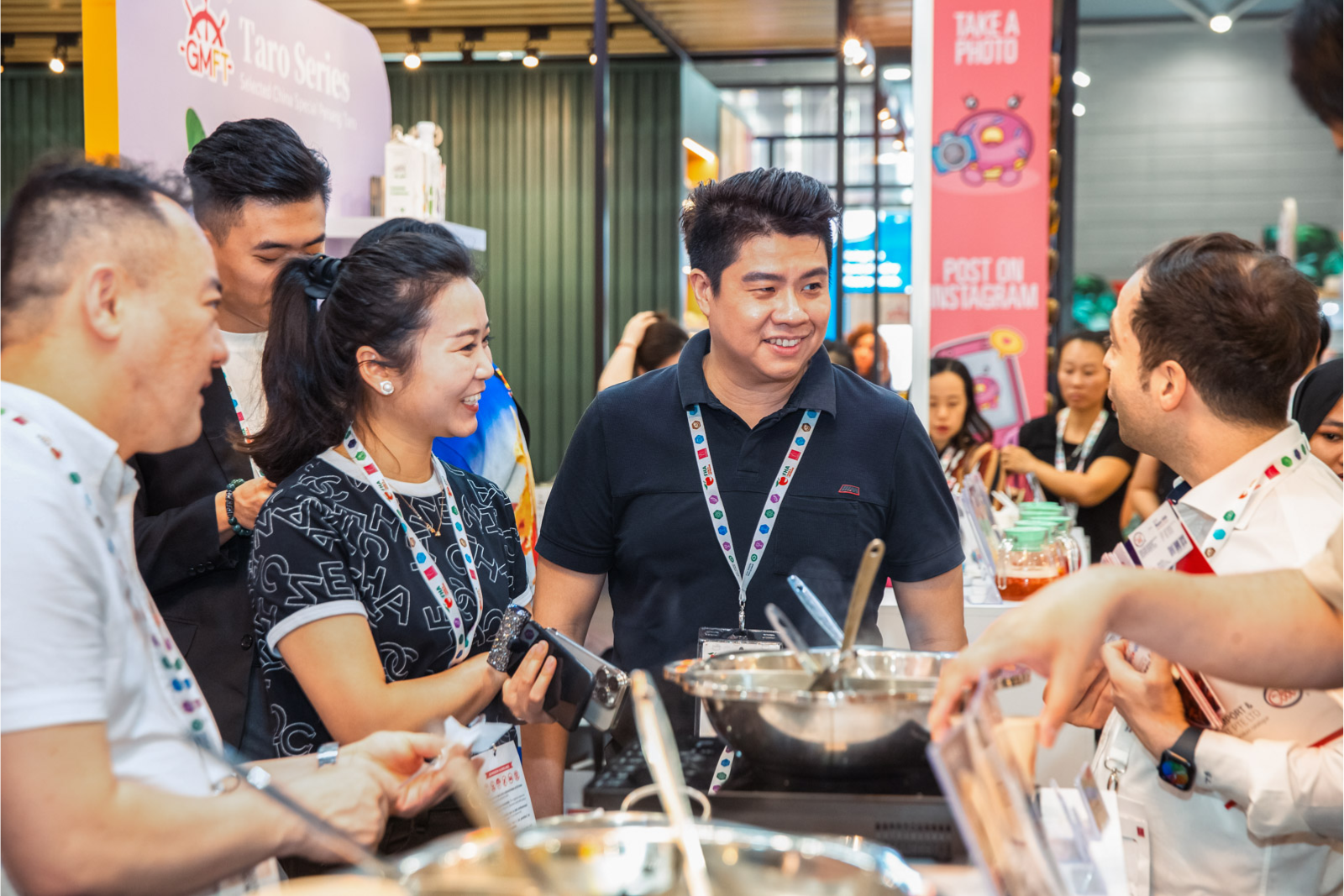
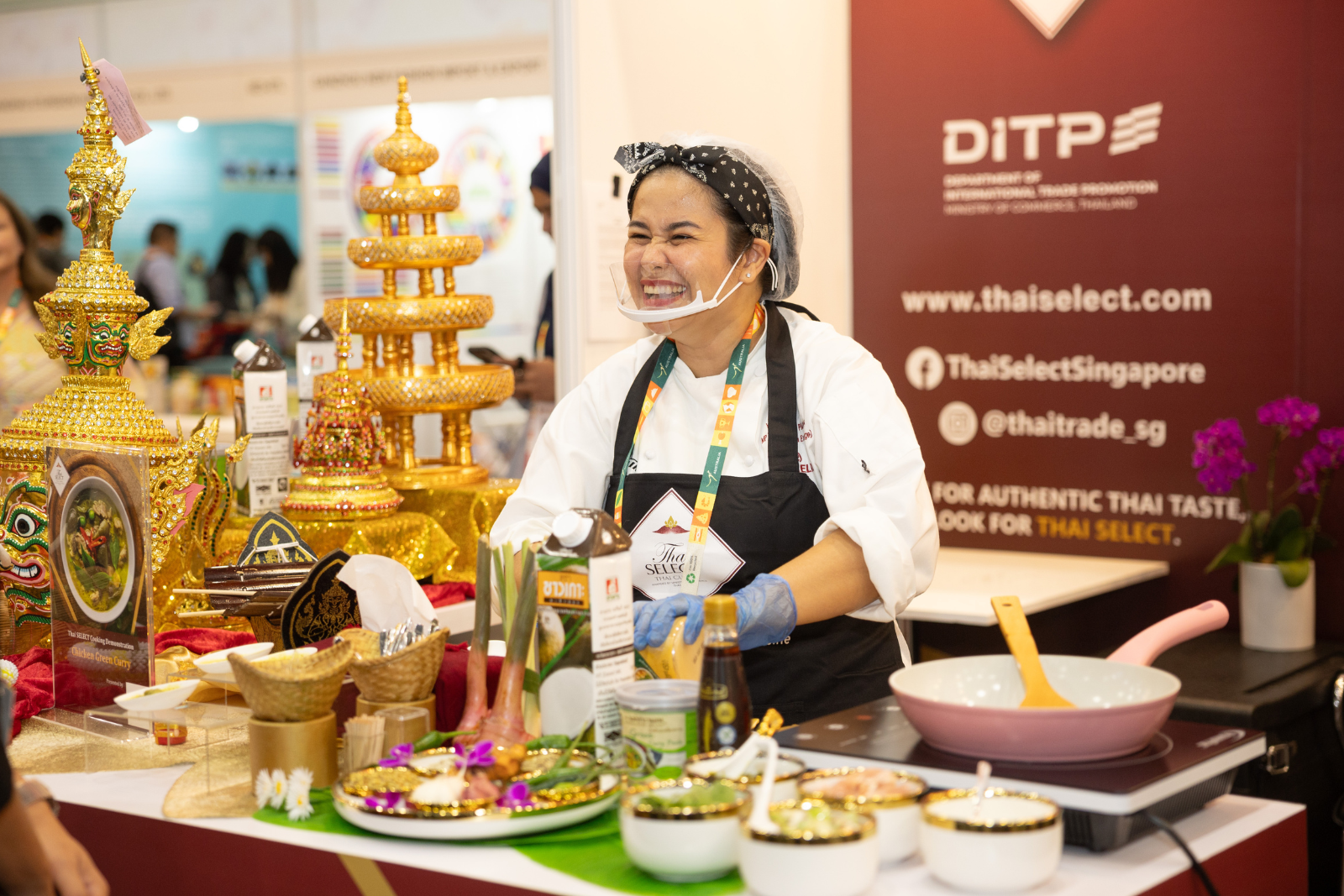
Trade shows like Food & Hotel Asia (FHA) bring together food and beverage companies, suppliers, distributors, and buyers in a single location. These events offer opportunities to showcase new products, learn about market trends, and build business relationships.
FHA, held every two years in Singapore, attracts thousands of participants from Southeast Asia and other regions, highlighting the importance of this market.
For companies entering emerging food markets, trade shows help address challenges such as fragmented supply chains and complex regulations by connecting them directly with local partners.
Exhibitors can gain valuable insights into consumer preferences and emerging food market trends, which supports effective market entry strategies. The networking benefits at these F&B trade shows are important for brands aiming to grow in developing countries.
Conclusion
Emerging food markets present real opportunities for brands that are willing to learn how things work locally. From urbanization and food consumption patterns to pricing and distribution, getting these details right is essential.
Companies in the FMCG sector can’t rely on one-size-fits-all strategies. They need to work with local teams, understand cultural preferences, and offer products that people actually want and can afford.
Trade shows like FHA make this easier by connecting global suppliers with regional buyers. These events are valuable for spotting emerging food market trends and testing interest before entering a market.
With food demand in developing countries continuing to rise, brands that invest the time to connect and understand their audience are more likely to succeed.