Foodservice & Hospitality Equipment
Foodservice & Hospitality Equipment: Innovation at Work
Explore how energy savings, automation, and modern design are redefining the way hospitality businesses operate and serve guests.
From bustling restaurants to luxury hotels, the demand for smarter, faster, and greener solutions is transforming foodservice and hospitality worldwide. The foodservice equipment market, worth $39.07 billion in 2024, is set to reach $58.22 billion by 2030, while hotel furniture, fixtures, and equipment (FF&E) will climb from $55.2 billion in 2023 to $89.9 billion by 2030. Asia-Pacific is leading this expansion, supported by booming tourism, rapid urbanization, and modern dining trends across China, India, and Southeast Asia.
FHA 2026 brings this progress to the floor, showcasing high-efficiency kitchen appliances, modular cooking systems, ergonomic furniture, and eco-friendly designs built for modern hospitality. Global exhibitors will present solutions that streamline operations, reduce waste, and enhance guest experiences — creating fresh opportunities for hoteliers, chefs, distributors, and restaurateurs aiming to stay ahead in a competitive market.
Next-Gen Trends in Foodservice & Hospitality Equipment
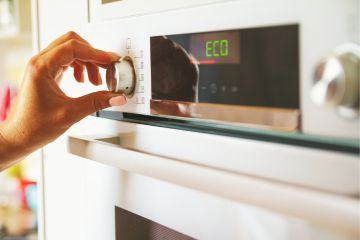
Energy-Efficient Appliance
Modern kitchens are adopting energy-saving ovens, refrigerators, and dishwashers that cut utility costs and reduce carbon footprints. These solutions also help businesses comply with changing energy regulations and sustainability standards.
Impact: Lower operating costs and a greener footprint for hospitality businesses.

Automated Cooking Systems
Robotics, smart ovens, and programmable cooking stations streamline preparation, improve consistency, and reduce labor dependency. Automation also allows chefs to focus on creativity and menu innovation rather than repetitive tasks.
Impact: Faster service and improved quality control in high-volume operations.
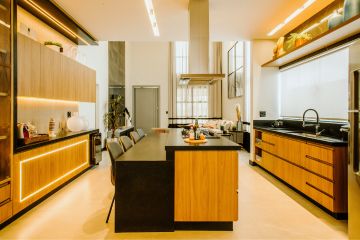
Modular & Compact Solutions
Flexible kitchen layouts, stackable equipment, and space-saving furniture allow smaller or boutique spaces to maximize functionality. These setups make it easier to adapt to changing operational needs or seasonal demand fluctuations.
Impact: Optimized space utilization without compromising efficiency or guest experience.

Sustainable Furniture & Fixtures
Eco-friendly materials, recyclable components, and climate-conscious design are being integrated across hotels, cafés, and cloud kitchens. Such investments also appeal to environmentally conscious guests who prioritize responsible brands.
Impact: Enhances brand reputation and meets growing consumer expectations for sustainability.
Source:
- Grand View Research , Food Service Equipment Market Size, Industry Report, 2030
- Grand View Research , Hotel Furniture, Fixtures, and Equipment Market Report, 2030