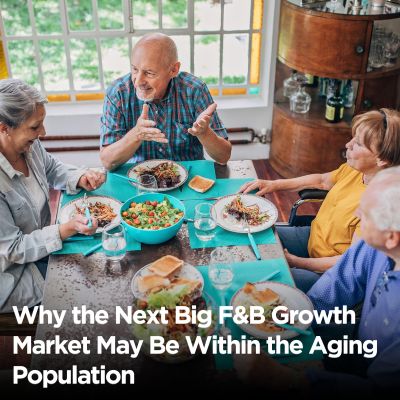
The world’s population is ageing at a pace unlike anything seen before, and this trend is expected to continue for many years.
The United Nations reports that by 2050, there will be 1.6 billion people aged 65 and older. That means one in six people worldwide will be in this age group. This significant change is beginning to impact many areas, particularly the food and beverage industry.
More companies are paying attention to this demographic because their needs and tastes often differ from those of younger consumers. Older adults tend to seek food and drink options that support their health, are easy to prepare and consume, and still deliver on flavor.
This has made the food and beverage market for the aging population an area of growing interest. As this group becomes larger, businesses that focus on meeting their specific needs will find new chances for growth and success.
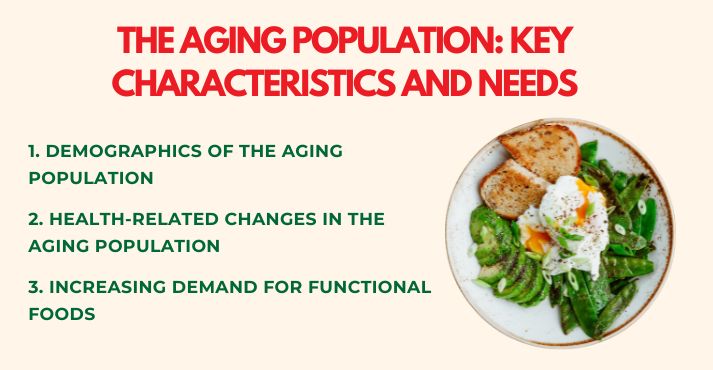
The Aging Population: Key Characteristics and Needs
The aging population refers to individuals generally aged 65 and over. Around the globe, this group is growing rapidly, especially in developed regions such as Europe, North America, and certain parts of Asia.
As people live longer, their eating habits and meal preferences often change. This has increased the importance of focusing on food for seniors in product development and marketing.
1. Demographics of the Aging Population
The rising share of elderly individuals is a global trend. Developed markets are seeing the most dramatic increases, with Europe and North America continuing to have an increasing proportion of older residents.
In Asia, the number of people over 65 is also climbing rapidly, driven by improvements in healthcare, better living standards, and lower birth rates.
Longer life expectancy means older adults are spending more years in retirement, which affects the way they choose and consume food.
Many prefer products that help maintain strength, mobility, and overall well-being, making healthy aging foods important. This has led food producers to create options that are both appealing in taste and tailored to the nutritional needs of later life.
2. Health-Related Changes in the Aging Population
As people age, their bodies undergo changes that impact how they digest and metabolize food. Nutritional requirements change as well.
Common health issues such as reduced mobility, dental difficulties, diabetes, and heart conditions mean that many older adults face dietary restrictions, like needing low-sodium or low-sugar options.
These needs are crucial in planning meals and guiding food companies in developing suitable offerings.
3. Increasing Demand for Functional Foods
There is growing interest in ingredients and meals that offer more than basic nutrition. Older adults often seek out higher fiber, extra protein, vitamins, and minerals to support long-term health.
This demand has increased interest in functional foods, which are products that provide specific health benefits such as promoting heart strength, bone health, cognition, and joint function.
In 2024, the global functional food market was valued at $201.98 million and is projected to reach $362.06 million by 2033. This trend highlights how the food and beverage market for the aging population is expanding in both size and nutritional focus.
Why the Aging Population is Becoming the Next Big F&B Market
For food and beverage businesses, older consumers are becoming one of the most important market segments to watch. Longer life expectancy and lower birth rates in many countries mean that people aged 60 and above now make up a bigger share of the population every year.
This growth is changing what gets bought, how it is packaged, and where it is sold. Understanding the consumer behavior of the aging population helps companies develop products that fit real needs and have a better chance of building steady demand.
1. Expanding Market Size and Spending Power
Many older households have stable incomes and savings, and they spend more on food and drink that supports health and well-being.
Between 2022 and 2024, households led by people aged 60 and above increased their spending by 14%, more than twice the rate for all households.
Specialty products such as health supplements, fortified goods, and food fortification solutions that help meet nutrient needs are strong sellers in this group.
2. Growing Focus on Convenience and Accessibility
Products that save time and effort are in demand. Ready-to-eat meals, single portions, and foods that require little or no preparation are practical choices for many older consumers.
Packaging also plays a role. Easy-open lids, resealable pouches, and lightweight containers make products easier to handle for people with limited strength or dexterity.
3. The Rise of Health-Conscious Eating Habits
Older consumers are paying closer attention to nutrients that help them stay active and independent. Many are choosing plant-based foods and functional products that support heart health, bone strength, mobility, and cognitive function.
For manufacturers, offering items that address these priorities can create consistent, long-term demand in a market segment that values quality, transparency, and proven results.
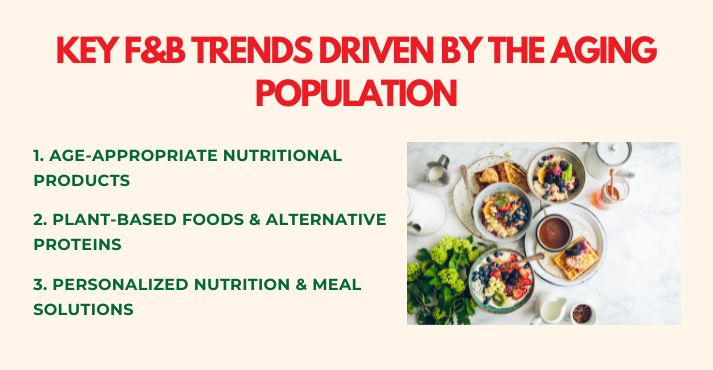
Key F&B Trends Driven by the Aging Population
As the number of older adults increases, the food industry is witnessing significant changes in what products are successful. These trends reflect deeper consumer behavior of the aging population and point toward long-term commercial opportunities.
1. Age-Appropriate Nutritional Products
Brands are introducing foods specifically designed to meet the needs of older individuals, such as fortified cereals, high-protein snacks, and supplements that support bone strength and digestion.
For instance, Nestlé offers N3 powdered milk in China, aimed at promoting healthy longevity, and the Boost range products are marketed with slogans like “stay strong, stay active” for adults aged 50 and above.
These offerings address a genuine demand for low-sodium, low-sugar, and easily digestible meals, aligning with current senior food trends in the market.
2. Plant-Based Foods and Alternative Proteins
Interest in plant-based options continues to grow, especially among older consumers seeking gentle, nutritious protein sources.
The startup Perennial offers a ready-to-drink, plant-based beverage for adults over 50, featuring added fiber, plant protein, and vitamins to support gut, bone, and brain health.
Other brands, like Califia Farms and Arla Foods, are using food fortification in their plant-based milk ranges to close nutrient gaps (including vitamins D, B9, and fiber).
3. Personalized Nutrition and Meal Solutions
The food industry and the aging demographic are converging on precision nutrition, with services offering customized menus and meal plans that address specific conditions, such as heart health, weight management, or cognitive performance.
“Chefs for Seniors,” a meal-service franchise in Denver, provides seasonal menus, in-home cooking, and meal planning based on individual health needs. These kinds of personalized solutions highlight increasing attention to senior-specific nutritional support.
Challenges in Tapping into the Aging Market
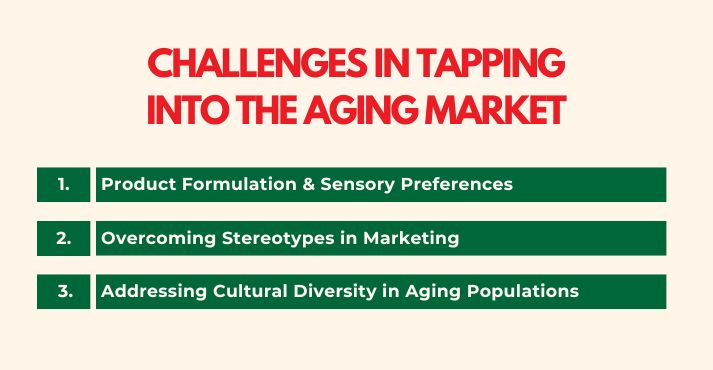
Meeting the demands of older consumers presents real challenges for F&B companies. Beyond simple reformulation, it requires carefully balancing nutrition, taste, marketing, and cultural nuances, all while addressing significant variations across this demographic.
1. Product Formulation and Sensory Preferences
Older adults often experience changes in taste sensitivity, dental health, and digestion, forcing product developers to rethink recipes and textures.
Products must sometimes have softer textures, less salt or sugar, and be easy to chew and digest. This is not just a recipe tweak but a strategic adjustment.
Catering to food for elderly consumers means re-evaluating seasoning levels, ingredient profiles, and even portion sizes, all critical to making products appealing, safe, and beneficial for this group.
2. Overcoming Stereotypes in Marketing
Marketing aimed at older adults often falls back on outdated clichés, portraying them as frail or dependent. Instead, successful campaigns showcase energy, independence, and everyday capability.
Effective food and beverage marketing meets the needs of older consumers where they are, highlighting vitality, social engagement, and personal choice. Brands that do this tend to connect more effectively and build greater trust.
3. Addressing Cultural Diversity in Aging Populations
The aging population varies greatly across regions in terms of traditions, flavors, and dietary habits. The F&B market growth depends on recognizing that one-size-fits-all products rarely work.
For example, older consumers in East Asia may prefer lightly seasoned soy-based meals, while those in Mediterranean countries lean toward olive oil and whole grains.
Understanding regional preferences and cultural food practices is essential for developing products that resonate across markets.
Case Studies of F&B Brands Successfully Targeting the Aging Population
Examples from the market show how food and beverage companies are designing products and services that meet the specific needs of older consumers.
These cases highlight practical approaches that have delivered measurable results and can inform future strategies in the sector.
Nestlé Health Science – Personalized Nutrition for Seniors
Nestlé has placed healthy aging at the center of its agenda. Nestlé CEO Mark Schneider noted that as birth rates fall and the global population ages, there is a growing market opportunity among consumers aged 50 and above.
The company has prioritized the development of nutrition that addresses age-related needs, including fortified drinks, protein powders, vitamins, and supplements.
Examples include its Vital Pursuit line, which includes ready meals crafted to support muscle preservation, blood sugar control, and nutrient intake for those with reduced appetite.
Elderly-Friendly Meal Kits
Several meal kit and delivery services are adapting to the needs of older customers. HelloFresh offers home-delivered meal kits for seniors, with pre-measured ingredients, chef-curated recipes, and easy-to-follow instructions, delivered weekly to make home cooking accessible and enjoyable.
Among fully prepared options, Silver Cuisine by BistroMD offers over 150 flash-frozen meals specifically designed for older adults, covering low-sodium, diabetic-friendly, and heart-healthy diets, without requiring a subscription or long-term commitment.
The Future of the Aging Population F&B Market
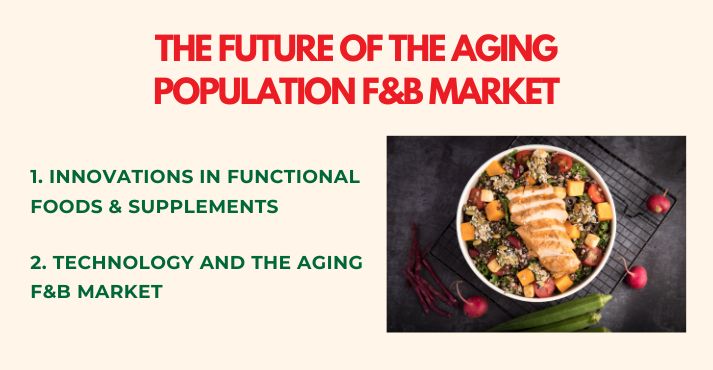
For the food and beverage sector, the aging population is not just a consumer group but a long-term avenue that requires a different kind of product and service mindset.
Companies that anticipate lifestyle shifts, nutritional needs, and purchasing behaviors will be in a stronger position to capture loyalty in this demographic.
1. Innovations in Functional Foods and Supplements
Future product development for older consumers focuses on multi-benefit solutions. Instead of single-function products, brands are combining protein, vitamins, and bioactive compounds into ready-to-eat snacks, fortified beverages, and meal replacements that address multiple age-related needs simultaneously.
The integration of AI to create custom diet plans can make these offerings more targeted, aligning them with an individual’s medical profile and taste preferences.
There is also an opportunity in texture-modified options for easier chewing and swallowing, as well as improved nutrient absorption through advanced food processing techniques.
Strategic takeaway: Invest in research that combines clinical nutrition insights with consumer taste preferences to create products seniors genuinely enjoy consuming regularly.
2. Technology and the Aging F&B Market
Technology is becoming an enabler for healthier eating habits among older adults. Advances in food technology, such as smart packaging with clear expiry indicators and easy-open designs, directly address mobility and vision challenges.
Health-tracking devices that sync with nutrition services can help ensure that daily meals align with recommended dietary intake, offering peace of mind for both consumers and caregivers.
Online ordering platforms with simplified interfaces are also reducing barriers for seniors to access fresh, balanced meals from home.
Strategic takeaway: Pair product innovation with accessible delivery channels to create an end-to-end solution that supports nutrition, convenience, and independence.
Conclusion
The aging population represents a significant and lasting opportunity for the food and beverage sector. As this demographic expands, demand is rising for products that address their specific nutritional needs, support overall health, and cater to changing lifestyle requirements.
Brands that focus on understanding older consumers’ preferences, covering texture, flavor, packaging, and convenience, can earn lasting loyalty and differentiate in a competitive market.
Innovation in functional foods, supplements, and personalized meal solutions will be essential, supported by clear communication and trust-building.
By prioritizing health, independence, and enjoyment, the F&B industry can meet the needs of older adults while developing a stable, long-term consumer base that values quality, relevance, and products designed to enhance their daily living.