Baking styles keep changing. What people want from cakes, breads, and pastries today is not the same as it was just a year ago. In 2026, there is more interest in thoughtful ingredients, creative designs, and options that cater to different dietary needs.
According to Fortune Business Insights, the global bakery market reached $480.23 billion in 2024 and is expected to reach $731.69 billion by 2032.
At the same time, more customers are influenced by what they see online. A recent report shows that one in three consumers made a food or drink purchase directly through a social platform in 2024.
Whether you run a bakery, bake from home, or develop new recipes for clients, staying updated can help you make better choices.
The hottest bakery trends in 2026 highlight what bakers are doing around the world, from bold flavors to plant-based twists and colorful designs. These ten trends offer new ideas that are already making their way into kitchens and pastry cases everywhere.
10 Hottest Bakery Trends to Watch in 2026
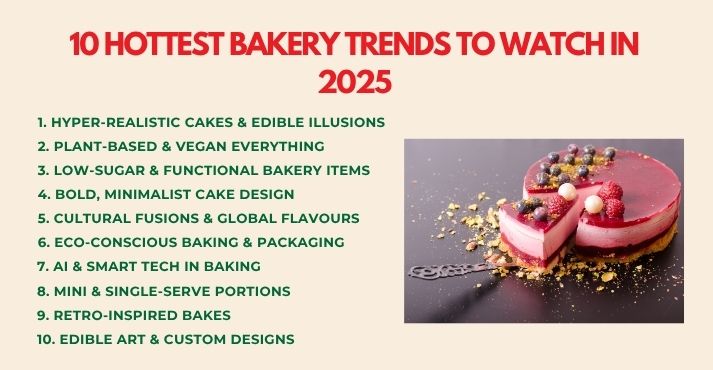
Baking in 2026 is full of new ideas. Some trends draw from tradition while others feel completely fresh. From creative decorations to better‑for‑you ingredients, the baking world is full of surprises.
Whether you are running a bakery or just love cakes and pastries, these are the latest baking trends that are making a real impact.
1. Hyper-Realistic Cakes and Edible Illusions
Realistic cakes designed to look like everyday objects are becoming more common, especially in celebration baking. These creations mimic everything from sneakers and handbags to trays of sushi or faux cacti.
The goal is to surprise and entertain when someone slices into what looks like a croissant but turns out to be a sponge cake layered with buttercream.
One standout example comes from Istanbul’s Red Rose Cake, where baker Tuba Geçkil went viral with cakes disguised as pomegranates, lotions, sandwiches, and even crocs, under the hashtag #everythingisacake, gaining hundreds of thousands of followers.
Other cake artists, such as Natalie Sideserf in Texas, have built businesses on bust-style cakes so lifelike that they went viral after recreating a Willie Nelson bust.
These cakes rely on sculpting and decorating skills matched with strong baking techniques. Custom shock-factor designs are now a fixture in modern bakeries and patisseries, where visual storytelling matters just as much as flavor.
2. Plant-Based and Vegan Everything
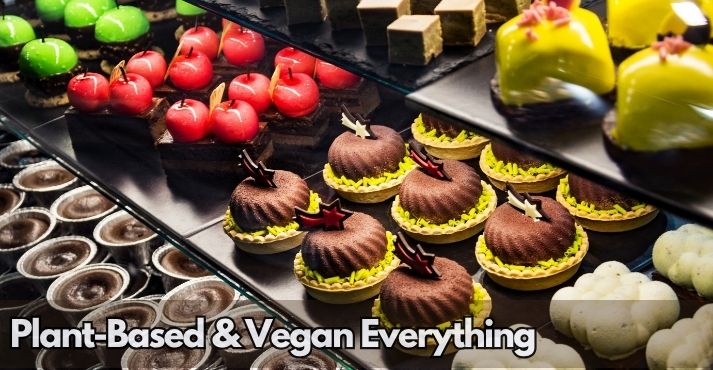
Plant-based baking is no longer limited to specialty shops. More bakeries are offering dairy-free and egg-free options as standard choices.
These choices appeal to individuals who prioritize health, environmental sustainability, or animal welfare. Breads and pastries are now joined by artisan cakes that rely entirely on plant-based ingredients.
Sales data show that plant-based sweets and snacks grew nearly 20% from 2022 to 2023, proving widespread appeal beyond niche markets.
Bakers are now working to replicate the taste and texture of traditional recipes while using alternatives such as aquafaba, oat milk, or nut butters. These options appeal both to people who want indulgent desserts and those seeking health-conscious baking.
3. Low-Sugar and Functional Bakery Items
More customers are paying attention to the sweetness of their food and the benefits it might offer apart from its taste.
This has led to more baked goods that use less sugar, avoid spikes in blood sugar, or include ingredients with added value. Popular items include low-GI cookies, keto muffins, and desserts with protein, fiber, or healthy fats.
Flaxseed, chia, almond flour, and plant-based protein powders are now common in bakery recipes. Some treats are made to fit specific diets, while others aim to provide a balance between indulgence and wellness.
In cafés and small shops, it is easier than ever to find a brownie that doubles as a post-gym snack or a breakfast bar with added nutrients. This style of baking is becoming more common as more people look for healthier options.
4. Bold, Minimalist Cake Design
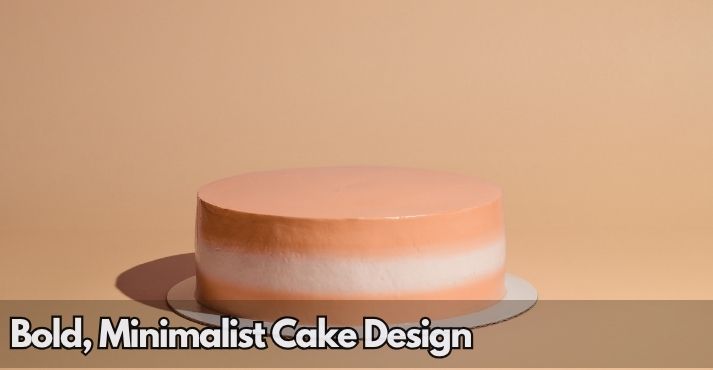
Cakes with clean, modern looks are becoming more popular. Instead of flowers, frills, and overloaded decorations, bakers are focusing on smooth finishes, solid colors, and simple shapes.
These cakes often use one or two shades, precise edges, and just a few design elements. The style feels calm and polished, especially at weddings and formal events.
One example of this approach comes from pastry chef Dinara Kasko in Ukraine. She uses 3D-printed molds to create cakes that look like architectural models.
Some are shaped like cubes, domes, or folded layers. Her work shows how strong shapes and a few thoughtful details can have a big effect.
This kind of design is now common in high-end bakeries and wedding displays. It offers something different from the overdone styles of past years, putting the focus on form and detail.
5. Cultural Fusions and Global Flavours
Bakers are combining ingredients and techniques from different parts of the world to create exciting new pastries. Matcha croissants, cardamom buns, and ube donuts are just a few examples showing up in bakery displays.
Nearly half (46%) of consumers globally express strong interest in exotic flavor combinations in baked goods, with many seeking unique, cross-cultural fusions that blend traditional flavors with modern twists
These combinations bring familiar forms together with new flavors, appealing to curious customers who want something different from the usual vanilla or chocolate.
But it’s not just about flavors — texture mashups are becoming an equally important part of the experience.
Bakers are now combining contrasting textures in their creations, such as crispy croissant layers paired with smooth, creamy fillings or chewy, soft dough with a crunchy glaze.
Texture mashups are now the second-fastest-growing trend in global bakery. Online conversations about crunchy and crusty baked textures spiked by 19% in 2026, following a 15% jump in 2025.
The use of ingredients like miso, black sesame, guava, saffron, and dulce de leche is becoming more common in everything from brioche to puff pastry and phyllo dough.
Popular pastries now feature a wider range of cultural inspirations, offering people more variety without needing to explain or justify the mix. For bakeries looking to stand out, these global twists help create signature items that feel both modern and personal.
6. Eco-Conscious Baking and Packaging
More bakeries are finding ways to cut waste and be more mindful of how they package and produce their goods. Compostable boxes, paper-based wraps, and reusable containers are now common in shops that want to reduce their impact without losing quality or presentation.
The same mindset is showing up in the ingredients. Instead of throwing scraps away, some bakers are reusing what they already have, like banana peels, citrus pulp, or spent grains from breweries.
These leftovers are dried, ground, or blended into doughs and batters to add texture, flavor, and fiber.
One example comes from Copenhagen-based company Agrain, which collects spent grain from beer producers and turns it into flour. Local bakeries use this flour in crackers, bread rolls, and cookies.
Sustainable bakery practices like these are catching on, especially among younger bakers and customers who care about where their food comes from and how it’s made. They also provide bakers with more creative ways to work with ingredients while minimizing waste.
7. AI and Smart Tech in Baking
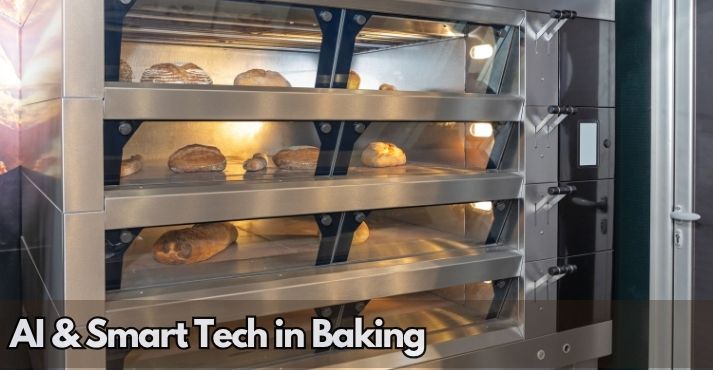
Some bakeries are using technology to plan more effectively, reduce waste, and meet demand more accurately. Smart software helps with scheduling, recipe adjustments, and stock management.
About 60% of bakery startups now rely on digital systems to study trends and understand what their customers want.
In commercial kitchens that handle large volumes, machines are being used to shape dough, control baking times, and even decorate cakes. Ovens with sensors can automatically adjust heat and moisture, which helps improve consistency from one batch to the next.
This kind of setup is still more common in bigger operations, but smaller bakeries are starting to try it as well.
Instead of guessing how much to bake, some are now using data to decide which popular pastries to prepare each day. As these systems become more affordable, they may soon be part of daily life in many bakeries.
8. Mini and Single-Serve Portions
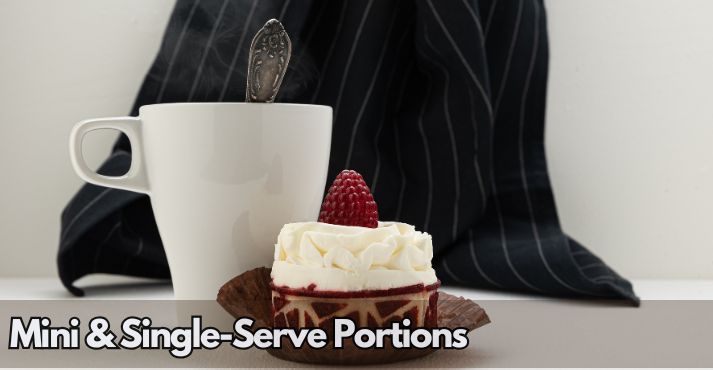
Small bakes are showing up everywhere, from cafés to grocery counters. Mini loaf cakes, cupcakes, tartlets, and bite-sized bars are popular among people seeking portion control, quick snacks, or something easy to eat on the go.
They’re also helpful for reducing food waste, especially when compared to larger cakes that often go unfinished.
This trend fits today’s bakery consumer preferences. Many want to try more than one thing without overdoing it, and single portions make that possible. Some bakeries even offer tasting boxes with four or five different mini desserts in one pack.
One standout example is Barney’s Bakes in the UK. They offer a set of four mini loaf cakes in flavors like Old School and Biscoff. The small size makes them perfect for afternoon tea, or as a sweet gift.
Mini bakes are now a steady part of the display in many commercial kitchens, especially during busy hours when people want something sweet but quick.
9. Retro-Inspired Bakes
Old favorites are back. Fairy cakes, jelly cakes, banana bread, and tray bakes are making a comeback in bakeries. These desserts remind people of simpler times and often bring a sense of comfort that’s hard to match.
But it’s not just about copying old recipes. Many of these classics are being updated with changes like gluten-free flour, dairy-free cream, or reduced sugar. The basic idea remains the same, but the ingredients have been adjusted to suit modern tastes.
You’ll find these bakes displayed alongside vintage-style packaging and kitchenware, adding to the nostalgic appeal.
This isn’t a short-term trend. Retro desserts are working their way back into daily menus because people are asking for things that feel familiar and warm. They don’t need to be fancy — they just need to taste good and remind you of something real.
10. Edible Art and Custom Designs
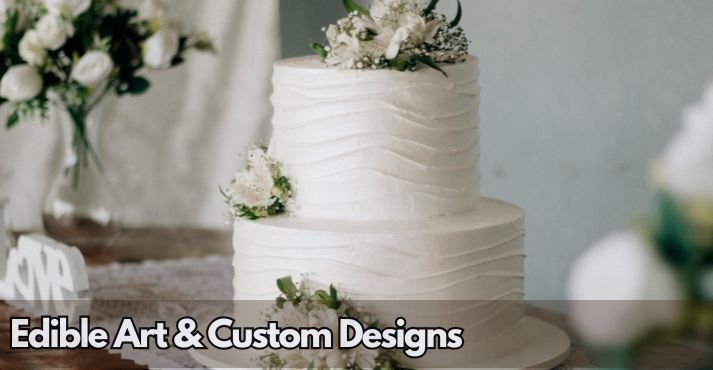
Some cakes today are as much about how they look as how they taste. Painted cakes, floral designs, and soft color combinations are being used to turn desserts into something more personal.
These cakes are popular for weddings, events, and gifting, where the decoration often matters just as much as the flavor.
Custom orders like these take time. Each one is done by hand, from the piping to the flower placement. In Brooklyn, Floral Delight by Jiahn Kang has gained recognition for its cupcakes, topped with lifelike buttercream succulents and roses.
Another example comes from Ana Parzych Cakes in Connecticut. They created a 34-tier wedding cake standing nearly 20 feet tall, adorned with thousands of hand-crafted sugar flowers.
The team spent around 50 hours on the design, and the cake was built for a Las Vegas casino owner’s event.
These designs are part of a growing interest in baking that’s creative, expressive, and rooted in skill. They also show how presentation and detail can bring extra value to something already special.
How Bakeries Can Capitalize on These Trends
Following a trend only works when it makes sense for your bakery. That means understanding your customers, testing ideas on a small scale, and making sure your team is ready to deliver the quality and presentation people expect.
1. Understand Your Audience
It’s easier to plan when you know who you’re baking for. Small steps like customer feedback cards, short polls on Instagram, or a quick chat at the counter can tell you what matters most.
Some may want healthier choices. Others may be looking for decadent, traditional desserts. A few may care most about how things look.
This is where menu psychology can help. The way you describe and place items on a menu affects what people notice and choose. When you understand your audience, it’s easier to design a menu that guides their decisions and encourages them to try something new.
2. Start Small with Seasonal Specials
You don’t need to change your whole lineup at once. Try one new idea for a short period — something that fits the season, a holiday, or even a weekend rush. If it does well, you can bring it back or expand on it. If not, there’s no long-term risk.
Testing small specials gives you space to learn what works without wasting ingredients or time. It also keeps your regulars curious. Many bakeries use this approach to stay flexible while still responding to bakery industry insights about changing tastes and trends.
3. Invest in Training and Presentation
Good baking starts with skill. But these days, how your products look matters just as much as how they taste. Clean finishes, neat layers, or small design touches can make a big difference. That’s where innovative baking techniques, like edible prints or clean piping, can help.
You don’t always need outside help. Peer-to-peer demos, internal practice, or watching trusted instructors online can sharpen your team’s approach. Ensure your equipment supports the work as well.
Basics like display space, storage, and proper refrigeration all affect the final result. A well-made pastry can lose appeal if it’s presented poorly.
FAQs – Hottest Bakery Trends
What is the most profitable bakery item to sell?
Custom cakes, small pastries (like cupcakes or cookies), and artisan bread often offer the highest profit margins in a bakery. For example, cookies and cupcakes are inexpensive to make yet can be priced at a premium.
What baked goods are popular right now?
Current popular baked goods include plant‑based and functional items (e.g., high‑protein, low‑sugar), hybrid pastries blending global flavors, such as matcha croissants or ube donuts, and “better‑for‑you” artisanal breads and snacks like sourdough made with whole grains or keto-friendly cookies.
How can bakeries innovate with new products?
Bakeries can innovate by combining global flavors (e.g., matcha & white chocolate), experimenting with texture mashups (e.g., crispy croissants filled with creamy custard), and offering health‑conscious variants (e.g., vegan brownies, high-protein muffins).
Hybrid formats like croissant-cookie hybrids (cronut) and smart tech like automated dough sheeters also enhance production.
How can bakeries become more sustainable?
Sustainability in bakeries involves sourcing locally, reducing waste (both ingredient & packaging), lowering resource use (water, energy), using clean‑label ingredients, and offering seasonal/low‑waste items.
Conclusion
In 2026, the bakery industry is evolving with a stronger focus on health-conscious indulgence, innovative designs, and sustainability. From plant-based sweets and edible art to portion-controlled, high-protein, and single-serve options, there is a growing demand for baked goods that align with diverse lifestyles, promote wellness, and push creative boundaries.
Consumers are no longer just focused on taste; they are prioritizing ingredients, portion sizes, and the craftsmanship behind each product. Many are looking for cakes, pastries, and breads that fit seamlessly into their daily routines without feeling overly indulgent or wasteful.
At the same time, a growing appreciation for strong visuals and unique, handmade details continues to drive demand for custom, eye-catching creations.
For bakers, it is essential to stay ahead by embracing new ideas and testing what resonates best with customers. Not every trend will be the right fit for every bakery, but being open to experimentation and understanding customer preferences will foster valuable innovations.
The bakeries that continue to adapt, learn, and thoughtfully integrate the top trends, like texture mashups, flavor fusion, and sustainable practices, will be the ones that thrive and remain relevant in 2026 and beyond.