
Wine & Spirits
Raising the Bar: Heritage, Craft & Next-Gen Innovation
Discover how tradition, creativity, and new consumer trends are powering growth in the global wine and spirits industry.

The global alcoholic beverages market is set for major expansion — rising from $2,413.8 billion in 2024 to $3,866.1 billion by 2032 at a 6.04% CAGR. Asia-Pacific is emerging as a powerful growth engine, led by India’s booming premium liquor segment, which recorded 32% CAGR growth between 2019 and 2024, alongside China, Japan, and South Korea’s rising demand for aged whiskies, craft beers, and fine wines.
At FHA 2026, the Wine & Spirits segment offers an unmatched platform to experience this dynamic industry firsthand. From rare vintages and artisanal gins to innovative low- and no-alcohol creations, the showcase highlights the best of heritage and next-gen innovation. Expect exclusive tastings, global exhibitors, and insights into trends shaping tomorrow’s drinking culture, all in one place.
Wine & Spirits: Market Trends

Premiumization & Heritage Labels
Limited-edition wines and aged spirits highlight authenticity, provenance, and craftsmanship. Heritage labels and small-batch bottlings attract buyers seeking exclusivity and storytelling, strengthening high-value segments worldwide.
Key Benefit: Enhances brand prestige and supports premium pricing strategies.
Low- & No-Alcohol Innovation
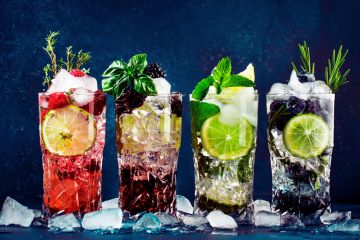
Zero-proof wines, alcohol-free gins, and low-ABV creations meet the increasing demand for moderation without compromising taste. Health-conscious and younger consumers prefer sophisticated alternatives that balance lifestyle and indulgence.
Key Benefit: Expands audience reach while aligning with wellness-focused drinking trends.

Craft & Artisanal Spirits
Microdistilleries and boutique breweries offer artisanal gins, craft whiskies, and regionally inspired spirits. These small-batch products combine tradition with creativity, appealing to consumers seeking unique and authentic experiences.
Key Benefit: Differentiates brands and builds loyalty through distinctive offerings.

AI & Personalization in Mixology
Digital tools and AI-assisted mixology allow unique flavor profiles and curated pairings. Data-driven innovation gives bars, restaurants, and producers the ability to create personalized cocktails and wine experiences at scale.
Key Benefit: Improves customer engagement and delivers customized drinking experiences.

Sustainability & Responsible Practices
Organic vineyards, energy-efficient distilleries, recyclable packaging, and traceable supply chains are increasingly important. Eco-conscious production reinforces brand value and resonates with ethically minded buyers worldwide.
Key Benefit: Strengthens brand credibility and aligns products with global sustainability priorities.
Global Flavor Trends & Regional Ingredients
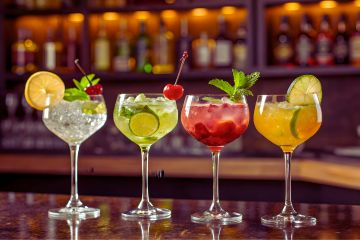
Exotic botanicals, rare grapes, and fusion-inspired cocktails offer new taste experiences. Producers combine local and international influences to create memorable flavors that stand out in the market.
Key Benefit: Attracts adventurous palates and differentiates offerings in competitive markets.
Source:
- Fortune Business Insights , Alcoholic Beverage Market
- Mordor Intelligence , APAC Spirits Market Size & Share Analysis – Growth Trends & Forecasts (2025 – 2030)
- Times of India , Premium Liquor Demand in Uttar Pradesh, 2019–2024