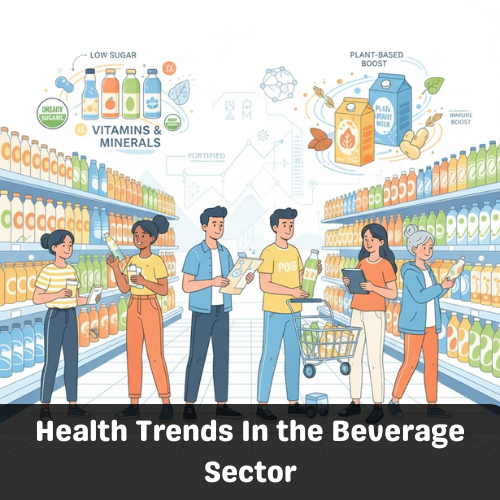
Consumers are paying more attention to what they consume. Over half (54%) of consumers identify themselves as proactive consumers who will make decisions based on health factors, according to a 2021 APAC Health and Wellness Study conducted by NielsenIQ.
Governments are also trying to nudge consumers to make healthier decisions. The Singapore government introduced the Nutri-Grade mark to help consumers identify healthier packaged drinks. Grade A corresponds to the lowest sugar and saturated fat content, and Grade D the highest.
A third of consumers surveyed by NielsenIQ indicated that they are more willing to pay a premium for drinks with low sugar, premium flavours, and added benefits. The survey results also showed an opportunity for organic beverages targeting seniors, with 42% of respondents aged 55 and above indicating that they are willing to pay a premium for such products.
The beverage industry is responding by developing new and innovative products to target an increasing number of health-conscious consumers.
“Not only are manufacturers reducing unhealthy ingredients, but we are also starting to see manufacturers adding in healthy ingredients (vitamins) in healthy categories such as water and milk to unhealthy categories such as energy drinks, tea, and even soft drinks.”
In 2022, we have seen growth of 3% in beverages across different markets in APAC (in line with the total FMCG industry), where the trends are moving towards health and wellness. Not only are manufacturers reducing unhealthy ingredients, but we are also starting to see manufacturers adding healthy ingredients (vitamins) in healthy categories such as water and milk to unhealthy categories such as energy drinks, tea, and even soft drinks. Manufacturers don’t just stop there; they are also starting to find different ways to grow their businesses, from the usual launch of new products to more unique ways where they changed the format or formula to shift the drinking occasions of consumers, to collaborating with other brands to expand into new categories,” said Chonajuk Kasemsuwan, Director, Customer Success, NIQ.
The Rise of Health-Conscious Consumers

Health-conscious consumers are reshaping the beverage market. Across APAC, people are seeking drinks that provide functional benefits, low sugar content, and added nutrients. A NielsenIQ survey highlighted that 42% of consumers aged 55+ are willing to pay a premium for organic and fortified beverages.
Key insights:
- Millennials and Gen Z prioritize wellness and sustainable options.
- There is a growing demand for beverages that support immune health, skin health, and weight management.
- Brands can leverage transparent labeling and nutritional claims to build consumer trust.
Reducing Additives In Beverages
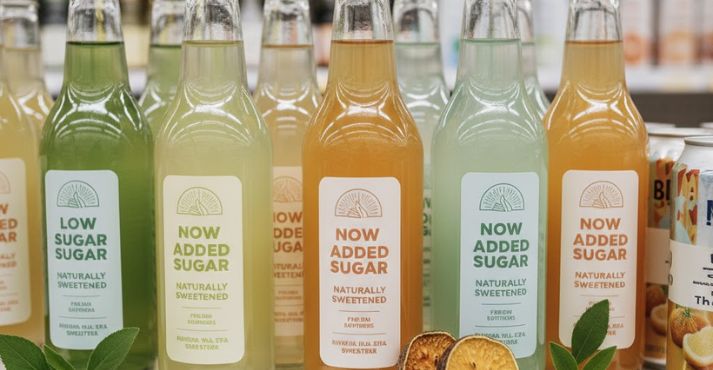
Beverage manufacturers are increasingly using non-sugar sweeteners or sugar substitutes, which are chemicals and plant extracts used to sweeten beverages. Common sugar substitutes include cyclamates, aspartame, sucralose, stevia, and stevia derivatives. Often marketed as a low- or no-calorie alternative to sugar, sugar substitutes are largely seen as a way to aid weight loss or maintain a healthy weight.
Benefits of sugar reduction:
- Supports weight management and healthier lifestyles.
- Aligns with government initiatives, like Singapore’s Nutri-Grade labeling system, which ranks packaged drinks from A (lowest sugar/fat) to D (highest sugar/fat).
Manufacturers are also reformulating popular categories such as energy drinks, soft drinks, and teas with enhanced nutritional profiles to cater to health-conscious consumers.
Functional Drinks
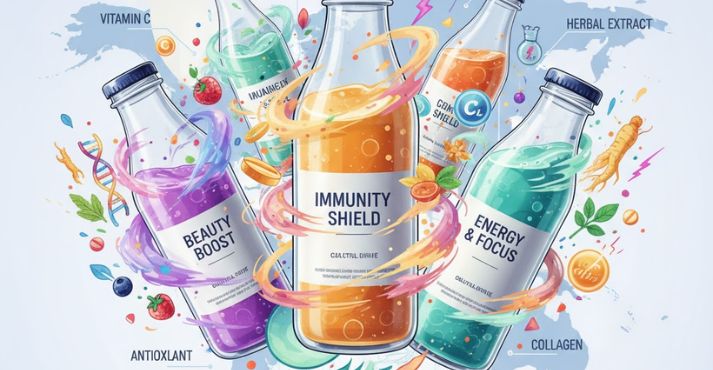
Beverage manufacturers are introducing functional drinks to target consumers looking for ways to improve their health and well-being. Functional drinks are beverages that contain ingredients that are purported to have health benefits beyond basic hydration. These ingredients can include probiotics, vitamins, minerals, and antioxidants. One functional beverage trend to watch is beauty beverages with functional ingredients such as collagen and antioxidants.
Trending functional beverages:
- Beauty beverages: Containing collagen and antioxidants to support skin health.
- Immune-boosting drinks: With vitamin C, zinc, and herbal extracts.
- Energy & focus drinks: With natural nootropics like ginseng or matcha.
The functional beverage market in APAC is projected to grow 5–7% in 2025, driven by increasing demand for products that enhance overall wellness.
Fortified Drinks
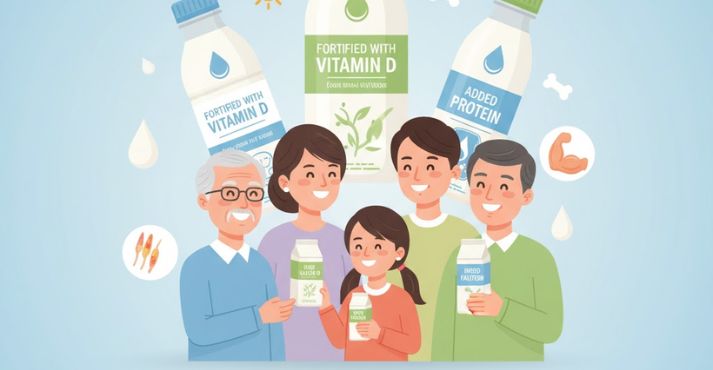
Fortified drinks are beverages that have had nutrients added to them that are not naturally present in the drink. These nutrients can include vitamins, trace minerals, and other substances. Fortified drinks are often used to improve the nutritional content of a beverage or to provide additional nutrients that may be lacking in the diet.
- Improve dietary intake of micronutrients
- Support specific health goals, such as bone health, heart health, or cognitive function
Example: A fortified plant-based milk with added vitamin D, calcium, and protein is highly appealing to seniors and families.
Fortified drinks are particularly attractive to premium consumers willing to pay extra for enhanced nutritional benefits.
Plant-Based Milk
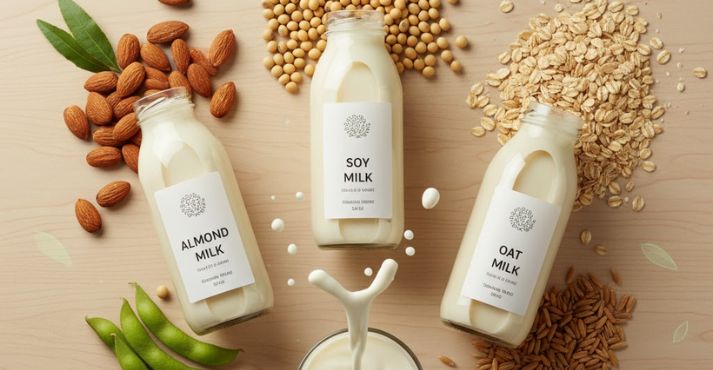
As people seek healthier, more sustainable options, plant-based milk alternatives have emerged as compelling alternatives to traditional dairy. Alternative milk beverages are often perceived as healthier choices. They are typically low in cholesterol and saturated fats while being rich in essential nutrients like vitamins, minerals, and antioxidants. This health-conscious approach has fuelled the demand for almond milk, soy milk, and oat milk.
Benefits:
- Lower in cholesterol and saturated fat compared to dairy milk
- High in essential nutrients such as vitamins, minerals, and antioxidants
- Suitable for vegan and lactose-intolerant consumers
The plant-based milk market in APAC is expected to reach USD 5 billion by 2025, reflecting the growing shift towards healthier and sustainable beverages.
Communicating Health Benefits To Consumers
As consumers become more concerned with health and wellness, a huge opportunity for brands to position food around health and nutritional claims emerges. Yet consumer skepticism is also rising, with some consumers believing brands often make misleading claims. Transparency is critical when introducing products with health claims. Brands should avoid exaggerated claims that cannot be backed up with credible evidence. Compliance with food laws will allow manufacturers to have safe products on the market, while a reliable marketing campaign that uses simple and comprehensible messaging will build trust and loyalty with consumers.
Do you have innovative beverage products to showcase?
FHA – Food and Beverage returns next year on 23-26 April 2024 at Singapore Expo. With a line-up of leading global suppliers, industry professionals can anticipate the most extensive showcase of trending F&B and hospitality products and solutions, cutting-edge technologies for food & drinks manufacturing, and more at the mega event. Contact us to get involved.
The Future of the Beverage Market in APAC
The APAC beverage market is poised for continued growth, driven by health-conscious consumers, innovative products, and sustainability initiatives. Key opportunities for brands:
- Expand functional and fortified beverage lines
- Launch plant-based alternatives
- Explore emerging categories like adaptogens and probiotics
- Leverage digital marketing and e-commerce to reach health-focused consumers
With these strategies, brands can capture market share and meet evolving consumer demands while staying ahead of competitors.
FAQs: Health Trends in the Beverage Sector
What are the top health trends in the beverage sector for 2025?
The top trends include functional drinks, fortified beverages, plant-based milk alternatives, sugar-reduction strategies, and emerging adaptogenic or probiotic drinks. Consumers increasingly seek beverages that support wellness, immunity, and beauty.
Why are functional drinks becoming popular in APAC?
Functional drinks are enriched with probiotics, vitamins, antioxidants, and collagen, offering health benefits beyond hydration. APAC consumers are particularly drawn to drinks that support immune health, energy, focus, and skin wellness.
How are beverage manufacturers reducing additives?
Manufacturers are replacing sugar with natural sweeteners like stevia, monk fruit, and erythritol, and reducing artificial flavors and preservatives. These efforts align with health-conscious consumer preferences and government initiatives such as Singapore’s Nutri-Grade labeling.
What are the benefits of plant-based milk alternatives?
Plant-based milks like almond, soy, and oat milk are lower in cholesterol and saturated fat, rich in nutrients, suitable for vegan or lactose-intolerant consumers, and environmentally sustainable compared to traditional dairy.
How should brands communicate health benefits effectively?
Brands should focus on transparent, evidence-backed claims, avoid exaggerated statements, comply with food safety regulations, and use clear, simple messaging to build trust and loyalty with consumers.
Conclusion
The beverage sector in 2025 is being reshaped by health-conscious consumers, innovative product formulations, and sustainability trends. From functional and fortified drinks to plant-based milk alternatives and emerging categories like adaptogenic and probiotic beverages, brands have numerous opportunities to meet evolving consumer demands.
Reducing additives, communicating benefits transparently, and offering products that combine nutrition, wellness, and taste are key strategies for success. As APAC’s beverage market continues to grow, companies that innovate responsibly and respond to health trends will be best positioned to capture market share and build lasting brand loyalty.
By understanding these trends and acting strategically, beverage manufacturers can not only boost sales and consumer trust but also contribute to a healthier, more sustainable future for the region’s consumers.