The global chocolate market is projected to reach over $128 billion in retail sales by the end of 2025, growing at a 1.9% CAGR, driven by evolving consumer preferences and innovative product offerings. In the Asia-Pacific (APAC) region, chocolate consumption is rising due to increasing health awareness, demand for ethical products, and adventurous flavor experimentation.
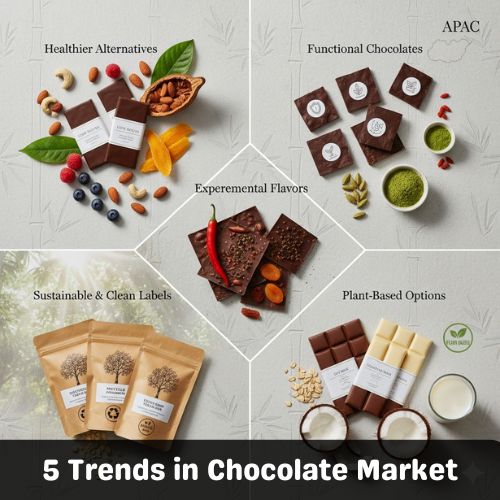
A Barry Callebaut report on top chocolate trends in 2023 and beyond highlights how changing consumer attitudes are influencing the chocolate confectionery market. In this article, we pick out 5 trends in the report.
1. Healthier Alternatives
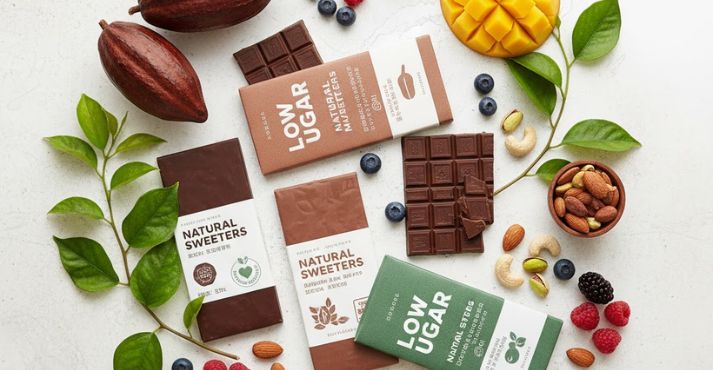
With growing awareness of health and wellness, there is an increasing demand for chocolates and treats with low sugar or sugar replacements. In Asia, low/no sugar claims are the most important health claim influencing purchasing decisions. 80% of APAC consumers say they are actively trying to reduce or moderate their sugar consumption, while 56% reported that they switched from traditional chocolate and confectionery to low sugar alternatives.
Consumers are increasingly seeking chocolates with lower sugar content or natural sugar substitutes. Health-conscious buyers are not only reducing sugar intake but also choosing products with functional ingredients that support overall wellness.
APAC Insights
- 80% of consumers actively try to reduce sugar intake.
- 56% have switched from traditional chocolate to low-sugar alternatives.
Thailand: PARADAi’s sugar-free dark chocolate with 77% cocoa content.
Why it matters: Brands offering health-focused chocolate are more likely to capture loyalty from a growing segment of health-conscious consumers in APAC.
2. Functional Confectionery
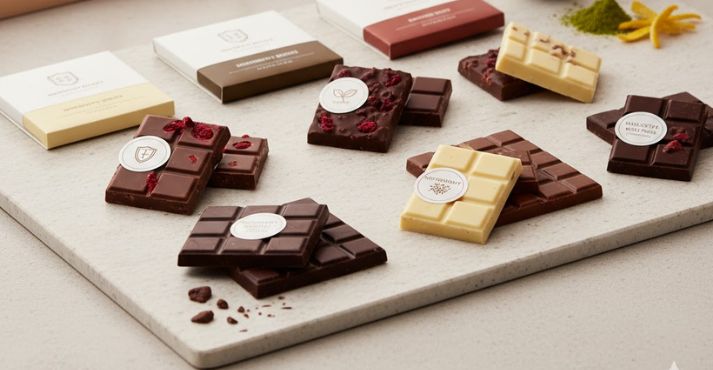
Functional confectionery refers to a category of sweets and chocolates that are enriched with functional ingredients. These include vitamins, minerals, antioxidants, fiber, probiotics, and other bioactive compounds. Japan has the biggest and most developed functional food sector, offering a wide range of innovative functional confectionery products.
- Japan: Market leader in functional chocolate innovation with products like Morinaga Shield Lactic Acid Bacteria Chocolate Bites, designed to improve digestive health.
- Trend stats: Functional confectionery adoption in APAC continues to grow as consumers increasingly seek products with added health benefits.
Why it matters: Incorporating functional ingredients allows chocolate brands to differentiate and appeal to health-conscious consumers.
3. Experimental Flavours
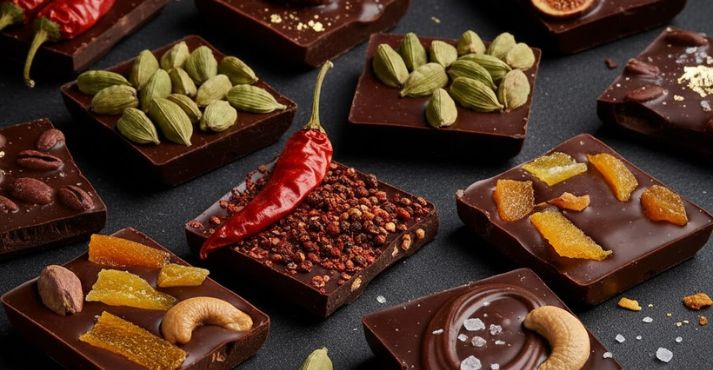
Chocolate makers are experimenting with innovative ingredients such as exotic fruits, spices, and herbs to create new and exciting flavor combinations. More than 60% of APAC consumers prefer chocolate that has multiple textures and flavours. Furthermore, 1 in 2 APAC consumers find that experimental and exotic flavors make a product more exclusive. Bold and experimental flavours appeal to an audience segment that wants their sensory perceptions challenged.
APAC Insights
- 60% of consumers prefer chocolates with multiple textures and flavors.
- 50% find that experimental flavors make products feel more exclusive.
- Singapore: FOSSA Spicy Mala Dark Chocolate, combining dried chili, Sichuan peppercorn, cardamom, and cinnamon.
Why it matters: Unique flavor profiles help brands stand out in a competitive market and cater to a premium-seeking audience.
4. Sustainable and Clean Labels
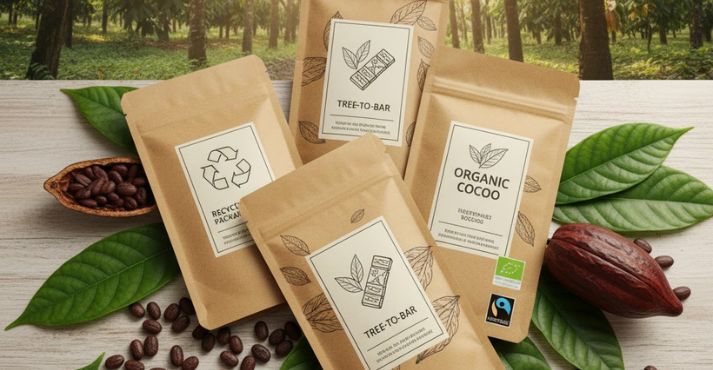
Consumers are increasingly drawn to brands that align with their environmental and ethical values. Therefore, the confectionery industry is moving towards greater sustainability by focusing on responsible sourcing of ingredients, eco-friendly packaging, and reduced waste. 7 in 10 consumers find sustainability claims important in chocolate categories and chocolates with clean labels to be more trustworthy. One growing trend in responsible sourcing is the tree-to-bar chocolate movement, where the chocolate maker grows the beans themselves and uses the same beans in their own products, allowing for a greater level of control over quality and flavour.
APAC Insights
- 70% of consumers consider sustainability claims important.
- Tree-to-bar chocolate is gaining popularity, where brands grow and process cocoa themselves for quality and ethical control.
Philippines: Malagos Dark Chocolate Bar, using single-origin Trinitario beans grown and processed on-site in Davao City.
Why it matters: Sustainability and ethical sourcing enhance brand trust and attract socially conscious buyers.
5. Plant-based Options
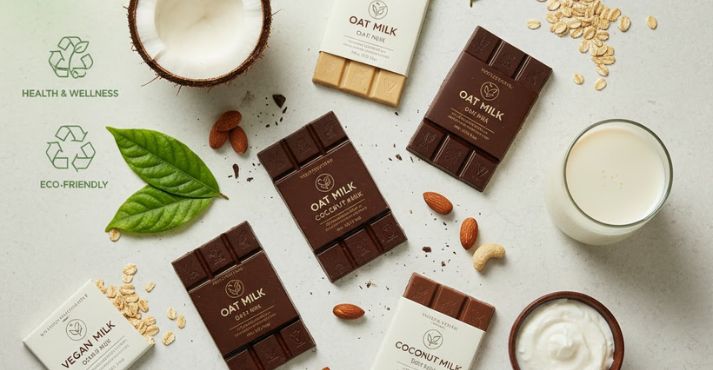
More than 50% of APAC consumers perceive that plant-based chocolates are healthier. The rise of plant-based diets has led to an increase in demand for confectionery products that are vegan-friendly. Manufacturers are substituting dairy with oat milk or coconut milk to cater to this growing consumer segment.
APAC Insights
- Over 50% of consumers consider plant-based chocolates healthier.
- Popular dairy alternatives include oat milk and coconut milk.
- New Zealand: Whittaker’s Oat Milk Chocolate
Why it matters: Plant-based chocolates offer an eco-friendly and health-focused alternative, appealing to a growing vegan and health-conscious demographic.
Looking to expand your confectionery business into the Asian market?
FHA – Food and Beverage returns next year on 23-26 April 2025 at Singapore Expo. With a line-up of leading global suppliers, industry professionals can anticipate the most extensive showcase of trending F&B and hospitality products and solutions, cutting-edge technologies for food & drinks manufacturing, and more at the mega event. Contact us to get involved.
FAQ’s – Chocolate Market Trends 2025
What are the major chocolate trends in 2025?
Healthier alternatives, functional chocolates, experimental flavors, sustainability, and plant-based options.
Which APAC countries are leading chocolate innovation?
Japan, Singapore, Thailand, and the Philippines are driving innovative flavors, functional chocolates, and ethical sourcing.
How is the demand for sugar-free chocolates growing?
Over 80% of APAC consumers actively reduce sugar intake, driving growth for low-sugar chocolate products.
Are functional chocolates effective for health benefits?
Yes, enriched chocolates with probiotics, vitamins, or antioxidants provide additional health benefits while still delivering indulgence.
How can brands adopt sustainable chocolate practices?
Brands can focus on responsible sourcing, eco-friendly packaging, and clean-label certifications to appeal to conscious consumers.
Conclusion
In 2025, the chocolate industry is shaped by health, sustainability, creativity, and consumer-centric innovation. Brands that embrace low-sugar, functional, plant-based, and ethically sourced chocolates while experimenting with bold flavors will thrive in APAC and global markets.
For businesses looking to explore the latest chocolate trends and connect with global suppliers, FHA 2025 in Singapore Expo from 23-26 April offers a comprehensive showcase of F&B innovations, cutting-edge technologies, and networking opportunities.